View from the Green Room: When the Glass cracked and finally broke
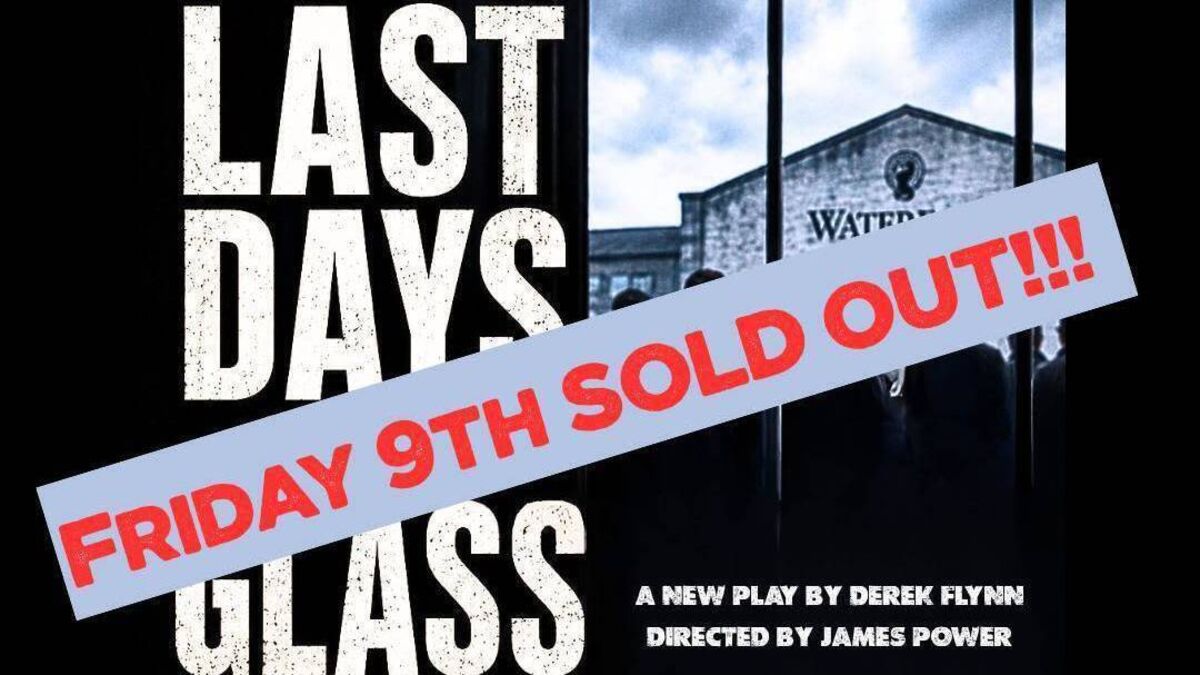
Theatre Vamps presented The Last Days of the Glass.
The Glass and Covid have one thing in common; no one wants to go there anymore. Too much hurt…too many memories…too many false dawns. Few workers want to discuss it anymore and who could blame them?
At one stage, three and a half thousand workers were employed on excellent wages with generous conditions in a top-end craft industry that gave them an identity and a pride in their work. That great glassware dream that was never to end came crashing down in the late eighties. An early redundancy offer resulted in a slimmed-down workforce and a 14-week strike in 1990 brought even more heartache that was well-documented in Paul Barry’s drama ‘The Glass’.
The Glass workers gave everything asked of them but it was never enough. Industry Minister Mary Coughlan’s refusal to label the brand an indigenous craft industry, preventing state subsidy, was really the final straw.
In January 2009, workers at the world-famous Waterford Crystal plant in Kilbarry launched a dramatic eight-week factory occupation.
The protest began on Friday, January 30, 2009, when the company's receiver, David Carson of Deloitte, announced the immediate cessation of manufacturing and the sudden layoff of 480 employees. In response, angry workers forced their way past security to seize control of the main factory and tourist visitor centre to protect their jobs and severance terms.
Around 200 workers occupied the main Kilbarry site. They famously kept the factory furnaces burning so they wouldn't suffer permanent structural damage, remaining there for nearly two months with heavy support and food donations from the local community.
The sit-in finally concluded on March 23, 2009, after 90% of the employees voted to accept a transition package and structured redundancy terms following a takeover bid. The pensions issue would remain unresolved for more than a decade later.
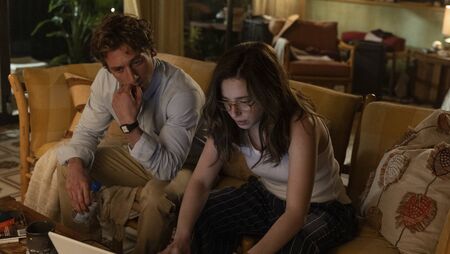
Derek Flynn’s new play, based on those events, plays to a packed house tonight at The Large Room where the experience of four of those who occupied the offices are imagined. It’s a warts-an’-all script that doesn’t hold back. Rows and recriminations are driven by intense emotions and the isolation of the office-occupation winds everyone up.
Driven on by rent-a-row Johnny (Derek Flynn) and feisty Aoife (Clodagh Kenny), generational and gender differences arise despite the best efforts of shop steward Michael (Jamie Power) and factory floor worker Anne (Caz Butler-Kiely) to cool matters down. At the heart of the play is the conflict of Johnny’s ‘job-for-life’ philosophy with Aoife’s modernist ‘it’s-just-a-job’ where the only driver is capitalism and move on.
"I’m sick of your stories, Johnny," shouts Aoife… "you had the best of it…cars…foreign holidays we could only dream about…loans and your own houses…you were better off than anybody. Well you had your life and I want mine."
The lack of information from union negotiations and the desperation of workers with mortgages without a wage drives the story of the eight-week sit-in ever onwards. Radio bulletins provide the only real information but, eventually, the media tires of the dispute.
Resolution comes at a price. Johnny will get a gross €20,000 in redundancy but fears that will slim down to €6,000 after tax. But…no pension. It would take the European Court of Justice to finally overcome state objections to pay pensions.
In April 2013, the European Court of Justice ruled that the Irish State failed to properly protect worker pensions when the company became insolvent in 2009. Finally in December 2014, the Irish Government and former workers agreed to a €180 million compensation deal that averaged €1,200 per year of service plus a lump sum. In September 2015, the Department of Social Protection initiated the first wave of payments, depositing €34 million into the bank accounts of over 1,251 former workers.
Outside, on the street, I chatted with a former worker who was 10 days away from his sixty-fifth birthday and a full pension when the Crystal closed. He waited six years for it. "We just got on with it," he said, "we had to."
Congratulations Stagemad and Derek Flynn on a sensitive tale well told.