View from the Green Room: ‘Dreadful things happen in war and civil war’
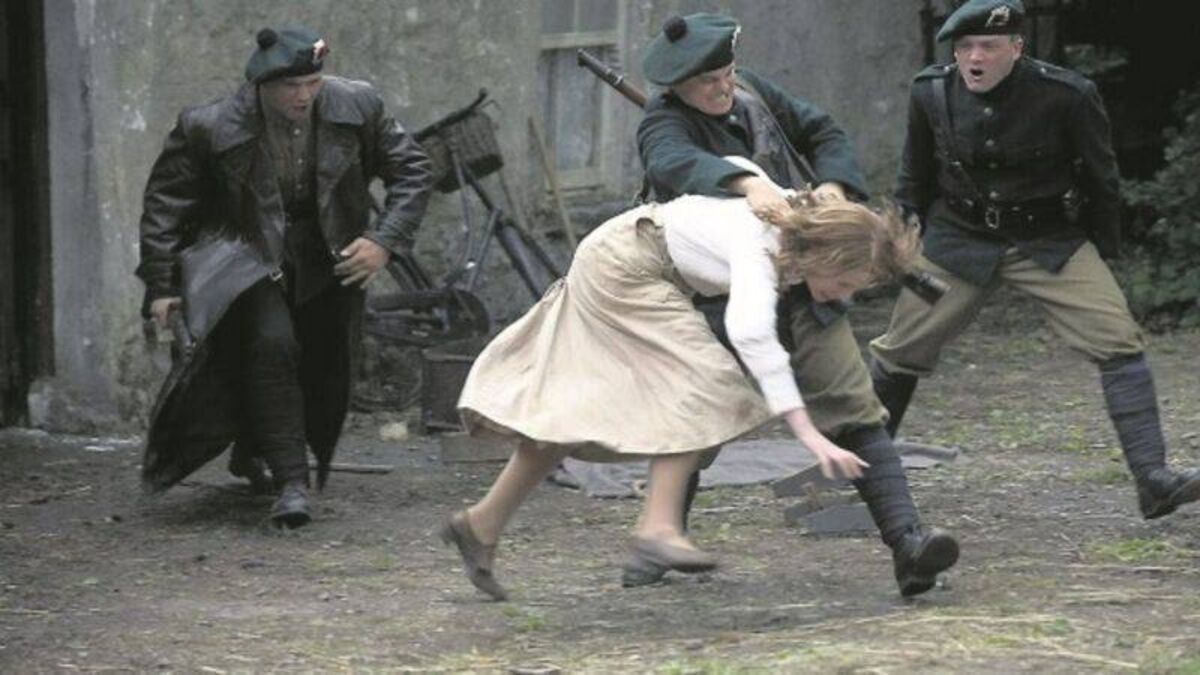
Violence against women was a common occurrence during the Irish Civil War.
"Can ye all hear me?" asks Waterford’s favourite historian, Dr. Eugene Broderick, and with that we’re up and running for another four-week adventure around Ireland in the Twentieth Century. Principally, the place of women in the new Irish Republic.
"It’s not going to be pretty," warns Eugene, "as we’re going to be dealing with the violence and abuse of women during the Civil War and the year that followed."
Minister for Foreign Affairs Frank Aiken commented: "Dreadful things happen in war and civil war."
When the Treaty came into being, Ireland was a pretty lawless state. There was no police force following the disbandment of the RIC and the power and authority of the Civic Guards were minimal.
Local IRA commanders were the law and falling foul of them was pretty easy.
Civil War allegiances were fraught with danger. Supporting the wrong side brought dire consequences for the daughters and wives of families who were brutalised and raped as a warning to others. And people were at the mercy of violent thugs who were above the law. When anarchy prevails, the vulnerable always suffer.
Eugene gives numerous instances of women who were brutalised by having their heads shorn and doused in motor oil that caused their hair to fall out.
A Kenmare doctor had criticised the behaviour of Free State forces in Kerry and his family was visited at midnight by a group of Free State officers – Captains Jim Clarke and Edward Flood (both were doctors' sons), along with Brigadeer General Paddy O’Daly, then Free State governor of Kerry. Both the doctor’s daughters, Flossie and Jessie, were beaten savagely and had their heads shaved and doused in used car oil.
The Civic Guard arrived but did nothing despite the identities of all the attackers being known. Minister of Justice, Kevin O’Higgins wanted them charged but Taoiseach W.T. Cosgrave and cabinet colleague Waterford’s Richard Mulcahy (Defence), as well as notorious Finance Minister Earnest Blythe didn't. The latter declared, "a few tarts getting a few lashes that did them no harm".
Dr. Broderick makes the point that all these instances were hushed up because it didn’t quite fit the narrative of the heroes of the War of Independence. Hence no detailed reporting in the contemporary press. However, evidence of such barbarity towards women now emerges from unusual sources, such as contemporary letters, novels, and short stories that are now bringing these sordid events from our past to light.
When I grew up, no one wanted to talk about the Civil War and its aftermath. Perhaps it’s time to start the conversation.
The Broderick Talks continue each Wednesday lunchtime until the end of October at the Medieval Museum. At €5, it’s well worth the ticket.