Students left “distressed and discarded” as funding for classes is cut
WWETB
Funding for English lessons for non-English speakers in Ireland has been reduced, leaving students “confused, distressed and discarded.”
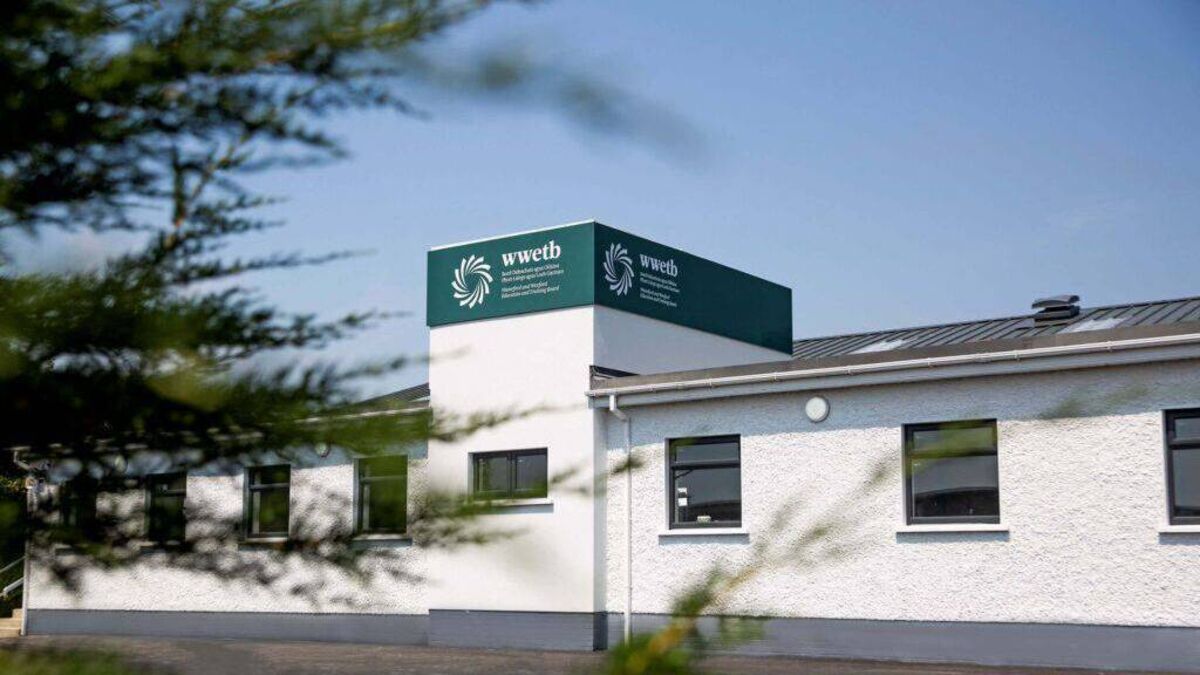
Funding for the 'English for Speakers of other Languages Programme' (ESOL) has been reduced to pre-2021 levels, impacting students attending Waterford and Wexford Education and Training Board (WWETB).
ESOL is a project which provides free parttime classes to those looking to learn English as a second or other language.
Ireland’s 16 ETBs provide free ESOL classes.
The project has become an important learning source particularly for Ukrainian nationals living in Ireland.
State funding for the project was increased in 2021, in response to increased demand after the outbreak of the war in Ukraine.
However, funding levels have now reverted back to pre 2021 levels.
Speaking on issue this week, Waterford Senator Joe Conway described it as “an urgent and deeply troubling matter.”
He said that students locally have been left deeply distressed.
“Students were informed the day before the (mid-term) break that they would not be returning to classes despite having enrolled with the understanding that tuition would run for a full academic year.
“Many of those affected are individuals under international protection or with refugee status in Ireland.
“In all cases, learners were left without provision, clarity or an alternative pathway.”
“Many had structured childcare, transport and weekly routines built around these classes. Teachers had their hours dramatically reduced. Trust in publicly funded education provision has been damaged.
“The emotional impact on learners has been particularly concerning. Many have already experienced sudden upheaval and displacement, for example, people in Ukraine.”
Meanwhile, Deputy Charlie McConalogue, speaking on behalf of the Minister for Further and Higher Education, responded to Senator Conway’s concerns in the Seanad, saying that since the war in Ukraine, demand for the ESOL service has tripled, with 30,630 learners now enrolled nationally.
Following the outbreak of the war, the Department provided significant temporary funding to ETBs to support increased ESOL provision.
“While this temporary funding enabled a rapid expansion of classes across the sector, it was always intended to be time limited” Deputy McConalogue said.
“The Department has now moved towards a more sustainable long-term model. As this emergency allocation has now concluded, and in line with budget 2026 parameters, ESOL funding has returned to its 2021 level.
“To be clear, ESOL classes have not ceased. ESOL programmes continue to be delivered in Waterford and Wexford and across all ETBs.
"While the end to temporary funding will have impacts in many local areas, the Department, through all the 16 ETBs, continues to support the provision of ESOL courses."
Senator Conway responded, “There is a disjoint between the evidence that I am getting from the local people and the statement from the Minister of State this morning.”