Feature: The Wild Bee Festival comes home to Waterford
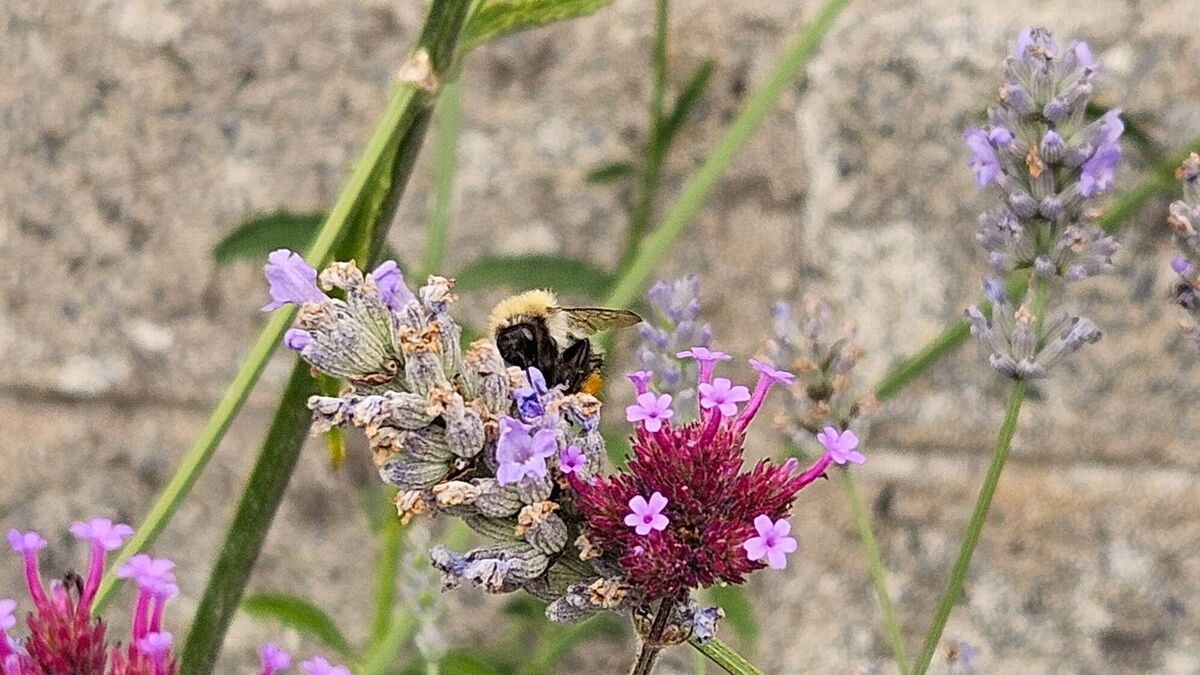
The Parish Eco Group and the B Corridor have been busy creating a bee-friendly space in the carpark of Newtown Church. We think it might be working!
Last weekend saw the Wild Bee Festival “come home” to Waterford.
The festival is an annual event hosted by the National Biodiversity Data Centre in collaboration with a group in the community doing good work in the area of pollinator conservation.
This year that group was B Corridor in Waterford City.
The fifth annual event was held in the Waterford Education Support Centre on the Newtown Road on Saturday, August 22 and 23.
Speakers over the two days included Chief Scientific Officer at the National Biodiversity Data Centre Dr Úna Fitzpatrick, B Corridor’s Cecily Maher, representatives from Deise Men’s Shed and the Three Sisters Women’s Shed and more.
The Waterford News & Star attended for the two days to learn more about solitary bees and the ways we can work to preserve their habitats.
The festival kicked off around 9:30 am with coffee and pastries in the lobby of the Waterford Education Support Centre.
Everyone was friendly, and members of the B Corridor were around to chat with anyone they didn’t recognise.
The National Biodiversity Data Centre had tables of literature set up for anyone to take.
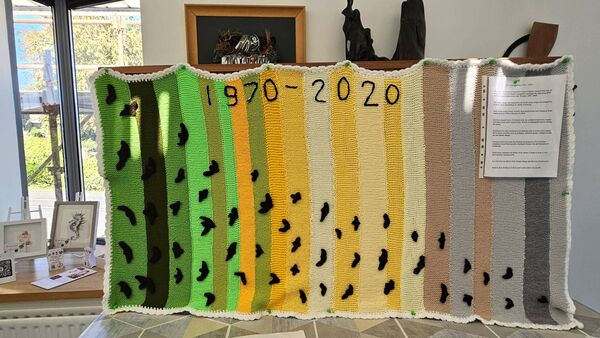
On display is a biodiversity loss awareness blanket created by the craft group at the central library.
The day’s talks started with B Corridor volunteer Cecily Maher, who explained how the group got started two and half years ago from the Parish Eco Action Group and the plan for the corridor.
The aim is to plant pollinator-friendly plants every 200metres between Newtown and Ballygunner.
This is because, contrary to popular belief, most wild bees only travel 100-200m from their nests for food.
So, as well as providing space for nests in the form of bare ground or bug hotels, we need to provide food if we want pollinators to thrive.
And Cecily said a lot of people are interested in that but feel alone in the efforts they want to make.
“There is a great interest and great hunger at our events,” said Cecily.
While Cecily said the group have enjoyed great support over the past couple of years, they still face challenges.
One of those was a recent fire beside the Johns River walk.
“It’s been a really devastating loss to us on the corridor and shows the challenges we face also, said Cecily.
But she also said that they take inspiration from something Greta Thunberg said recently about hope being something you create, and that is what the B Corridor are focused on.
The second speaker of the day was Chief Scientific Officer at the National Biodiversity Data Centre and Co-founder of the All-Ireland Pollinator Plan, Dr Úna Fitzpatrick.
The National Biodiversity Data Centre is based on the SETU site in Carriganore just outside Waterford City.
For anyone who doesn’t know, the All-Ireland Pollinator Plan is a framework coordinated by the National Biodiversity Data Centre to bring together different sectors across the island of Ireland to create a landscape where pollinators can survive and thrive.
It has been a very successful scheme for the past few years and essential reading for anyone interested in climate action and conservation.
But this year was the first time the Wild Bee Festival has been held in Waterford.
“It’s finally coming home to Waterford,” said Dr Fitzpatrick.
Dr Fitzpatrick’s talk was on wild solitary bees- bumblebees get a lot more attention, but most of Ireland bees are solitary and around a third of those are threatened with extinction.
She explained the life cycles of bees and their seasonal needs, as well as ways ordinary people can support pollinators all year round because bees are not just there in spring and summer.
Allowing Dandelions to grow is an example of one really great way to help.
These yellow wildflowers look completely different to bees who see in blue, green, violet and ultraviolet.
But remember native wildflowers are always best. Avoid wildflower seed mixes which contain non-native species; these are more for humans than bees.
The next speaker was Community Pollination Officer Kate Chandler, who gave us an “evidence-based crash course” in ways to be help bees.
She pointed out that humans feel a connection to bees, which is evidenced in the amount of décor we have adorned with images of bees.
And that protecting bees and their habitats is good for human health too.
If that sounds good to you, then the first step is to look at what’s already around you and if it needs protecting.
The best action you can take is mowing your grass less.
But other actions include avoiding pesticides and spraying and leaving small patches of gardens to grow as small meadows.
“It’s surprising where biodiversity will move in,” said Kate.
After Kate’s talk, we broke for lunch, which was provided by the education centre who took great care of everyone.
Artist Sioban Clancy had a “cross-pollination” craft space set up for us over lunch where we made our own bee stamps and ink prints.
Attendees popped in and out trying their hand at ink printing.
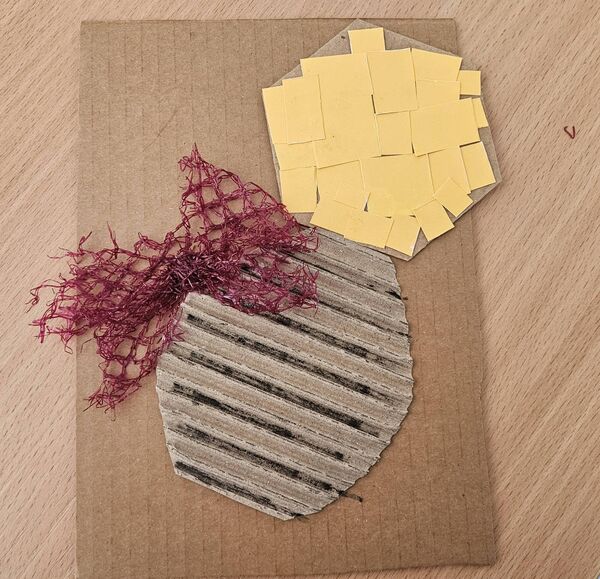
A few of us made stamps all very nervous and not sure what to do.
But here is the thing- if you give a group of adults a box of cardboard and glue sticks, we will make something.
Not going to lie, kind of proud of mine.
Then we returned to the lecture room to hear all about the great work of Abbeyleix Tidy Towns, and apparently, they are known for doing the best lunch for their events, which became a running joke throughout the weekend.
The day finished with short talks from Simon Dowling, who only plants native plants in his very impressive garden; Jane Fraher from the Three Sisters Women’s Shed, who spoke about the connection between bees and crafting and Brian Jacobs from Waterford Trees for Life, who are creating pocket forests all around the city.
Day two was a much quieter affair.
The day was due to conclude with a guided walk of the Maypark Nature Trail, but before that we were treated to more speakers.
The first speaker was Micheál Kavanagh from the Deise Men’s Shed, who told us all about bug hotels and all the bees they have been able to spot in the garden.
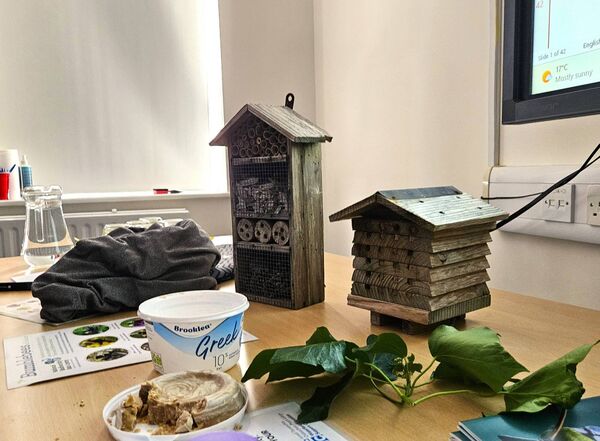
Micheál even brought some Ivy honey, which he described as tasting like wood varnish, but it was pretty okay if you ask me.
And finally, Senior Consultant Ecologist Ciarán Byrne brought us through the process of creating a Community Biodiversity Plan.
The festival concluded on Sunday with a guided walk starting at the church in Newtown and down through the Maypark Nature Trail.
The walk was led by B Corridor’s Brian… and Ecologist Ciarán Byrne.
The Parish Eco Action Group and now B Corridor have been working to turn the car park at the St Joseph and St Benildus catholic church into a pollinator haven.
Sections of the edges of the carpark were cleared and bee friendly plants introduced.
The flower beds are labelled with very colourful rocks with the names of the plants written on them.
There are two bug hotels which are showing evidence of use on two of the walls, and the group is testing locations to figure out the best place for the next build.
The aim of the group is to have plants every 200m from the church out to Ballygunner which would mean there would always be food and nesting space for wild bees in that stretch of Waterford City.
That is the bee corridor, and the hope is to extend the trail to St Mary’s.
The church car park was a fitting and beautiful place to start the guided tour.
From there we headed through Newtown and down through the Glenville estate and onto the Maypark Nature Trail.
New signs had just been installed, providing walkers with a map and information on the trail.
We took a moment to admire them before setting off.
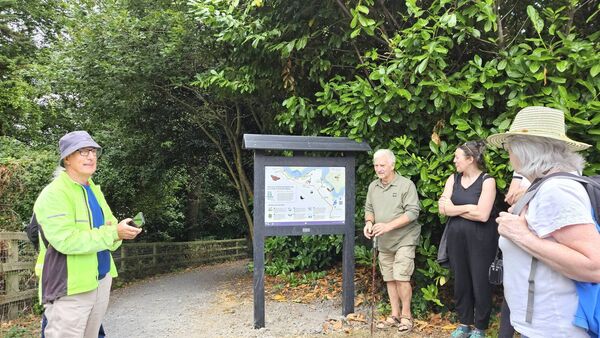
The Maypark Nature Trail is an ecological corridor which includes the Lower Suir River Special Area of Conservation and the Knockboy Wetlands.
It is absolutely stunning.
The walk lasted around an hour with regular stops to check out different fungi, flora and fauna.
We saw a giant bracket fungus, which our guides explained that, while a wonderful sight, it is not a good sign for the tree.
The aim of the trail is to encourage native species, but one of its challenges is invasive species like laurel, often used as hedging and Japanese Knotweed.
Another challenge, unfortunately, is vandalism.
The damage from the fire Cecily mentioned on day one could be seen and smelled even weeks later.
A fire started on a section of the trail earlier this month that caused quite a bit of damage.
The B Corridor prefer to look at the future optimistically and know that incidents like this are caused by a few bad eggs, with most visitors simply enjoying the space.
But behaviour like this is something communities need to tackle in sanctuaries like this are to survive in the future.
On the brighter side, nature is a wonderous thing and as we explored the trail, we saw hazelnuts, blackberries, baby oak trees and even a pigeon egg.
There were plenty of fairy doors, reminding us again of how biodiversity action and arts and crafts go together.
We finished at a meadow in progress and while some may see a wilderness, for the wildlife in the area, this reclaimed land for a new world, where hopefully generations of animals and plants will thrive and flourish.