Your Fitness: What you kneed to know about knee osteoarthritis
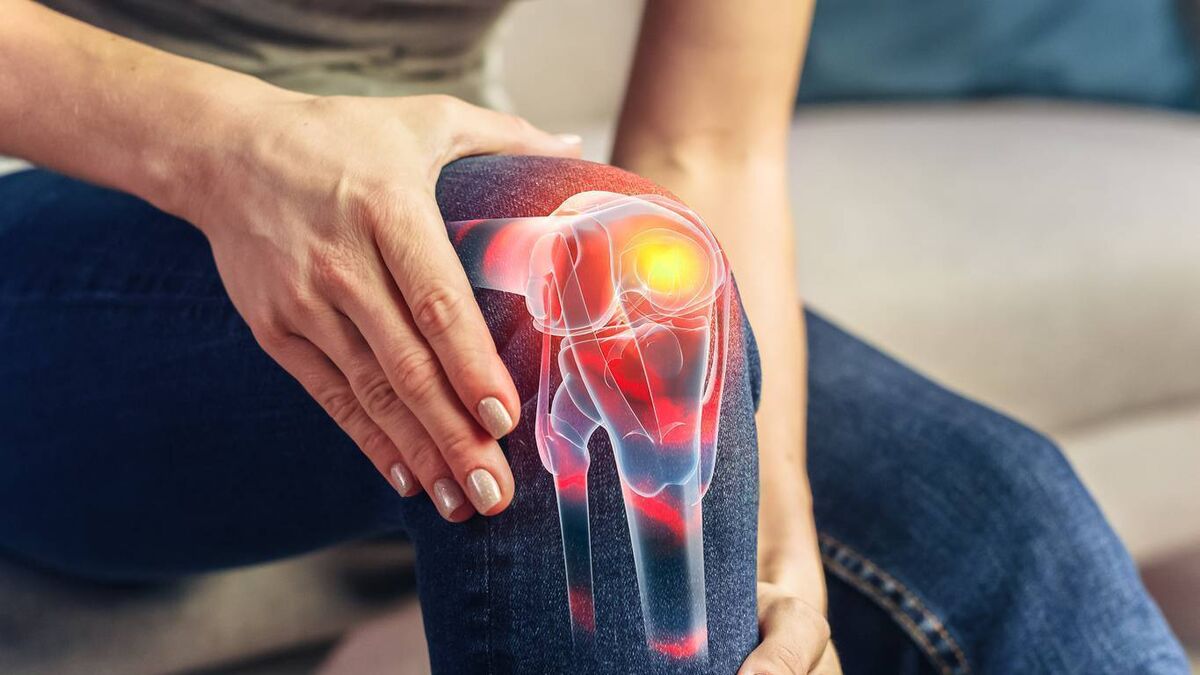
The word “arthritis” can often leave you anxious when you hear you have it.
You’ll have to pardon the pun but this is a topic that I see being frequently misunderstood on a weekly basis. Sometimes a misunderstanding of this diagnosis can be more damaging than the condition itself in my opinion!
In this article I hope to shed some light on the topic and offer some reassurance to those who may not know what to make of the diagnosis or maybe know someone else who may find this helpful.
The reality is that osteoarthritis as a condition is way more common than you think. In a recent paper by Wang et al, 2024, it was even noted that in 2021 approximately 606.5 million people worldwide were living with the condition, not to mention 46.6 million new cases occurring annually.
Hearing the word “arthritis” can often leave you anxious when you hear you have it. Below I will explain why we shouldn’t worry.
When we look at what is actually happening in your knee, we can safely say that osteoarthritis generally refers to the normal age-related degenerative changes in your knee, which are completely normal as we age.
To explain it simply - osteoarthritis at the knee is the natural thinning of the cartilage, which acts as the joints cushioning to help absorb force and help your bones to glide smoothly through range.
In many cases, we may not even have symptoms despite having this reported on a scan - therefore highlighting that osteoarthritis does not always mean pain. I say this with evidence from a recent study in 2019, which showed almost half (43%) of adults over 40 had signs of osteoarthritis on scans despite having no knee pain.
So what can you do if you hear the words osteoarthritis? The good news is there is lots you can do. Recent evidence suggests exercise therapy significantly improves pain, stiffness, physical function, and quality of life in people with knee osteoarthritis.
If you take one thing from this article remember this - motion is lotion!
Movement in frequent, little and often doses is what helps to improve the circulation of synovial fluid (the joint’s natural lubricant), which nourishes the cartilage and allows the joint to move more smoothly, often easing stiffness and helping us move more freely.
I like to compare this to a car engine - if it is parked up for a few weeks it’s often going to be a little harder to get moving again.
If you are on the fence about online coaching and want to know a little bit more about the process just email me the word “ready” and I will be in touch. Please get in touch through the contact information below to check availability and avoid disappointment, as spaces are limited.
Visit my new website www.coachedbycashel.com for more information.
Lastly, I would also like to clarify that I am not a registered dietician. All advice disclosed here is simply advisory based on my qualifications as a fitness professional and personal experience and knowledge gained working with individuals and helping them reach their goals. The advice given is not designed to diagnose, treat, cure, or prevent any health problem - nor is it intended to replace the advice of a physician. Always consult your physician or qualified health professional on any matters regarding your health.
I hope someone out there found some of this information useful here, just some food for thought.
For any questions in relation to this topic or training, nutrition, etc. or for coaching inquiries simply message me on my business page on Instagram @coachedbycashel_ or by email - contact@coachedbycashel.com