View from the Green Room: ‘A freedom that wouldn’t be worth winnin’ in a raffle’
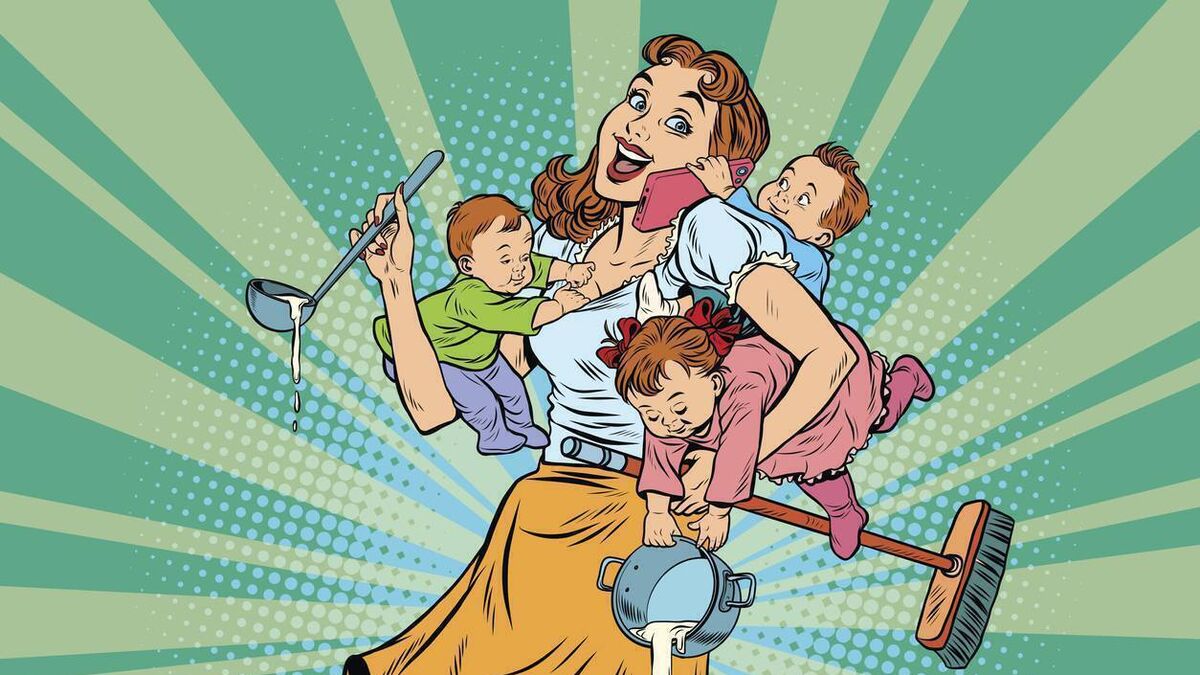
De Valera's ideal woman.
It’s another packed Garden Room at the Medieval Museum for Dr Eugene Broderick’s talks on ‘Women, Politics and Society’ from 1922-37. It might, actually, be better titled the ‘Absence of women from politics and society’ during that period because there is actually precious little recorded evidence of the voice of women in Irish society in the first half-century following the establishment of the Irish state in 1922.
The irony of the faith that Irish women placed in the 1916 Proclamation, "the Republic guarantees religious and civil liberty, equal rights and equal opportunities to all its citizens," was not lost on future generations of Irish women. Women, who were active in the foundation of the state, were now expected to resume their household duties as mother and wife.
The six women TDs, who were in the Dáil, were deeply opposed to the Treaty, created many enemies and intensified the hostility of ultra-misogynist Treaty TDs to women’s involvement in politics. The combined view of government and the Catholic church was that a woman’s role was as a home-maker – and nothing else!
"Real women," according to Fr. Cahill, "cherished household duties and husband’s dinners."
Yum yum… The twenties and thirties were critical decades for shaping women’s affairs for most of the twentieth century. A series of acts began in 1924 with exempting women from jury service. Whenever Earnest Blythe’s name is mentioned, a collective groan is heard. In 1925, he determined that promotion within the Civil Service would be restricted to men and then followed it up with the infamous ‘marriage bar’ – a decree that women in the public service must resign on marriage. Half of the teaching profession was female!
A subsequent decree determined that all female teachers had to resign at age 60 – thus denying them the right to a full pension.
An appeal to Dev, who was then Taoiseach, Minister for Foreign Affairs and also Minister for Education – Pooh Bah, Lord High Everything Else from the Mikado comes to mind – refused to even discuss the issue. The INTO President said that "it was like talking to a stone wall".
1935 saw the prohibition of the sale and importation of contraceptives at the insistence of Seán T. Ó Ceallaigh (subsequently President of Ireland). So much for the ideals of the Proclamation.
Prostitute Rosie Redmond declared in Seán Ó Casey’s ‘Plough and the Stars’: "I wouldn’t be fightin’ for a freedom that wouldn’t be worth winnin’ in a raffle."
The Broderick Talks continue each October Wednesday at lunchtime in the Medieval Museum.