Fr Liam Power: The Drug Culture - A Crisis of Spirituality?

With the group's support, they could connect with deep-seated emotions, such as anger, hurt, rejection and loneliness, perhaps traumas from earlier in life.
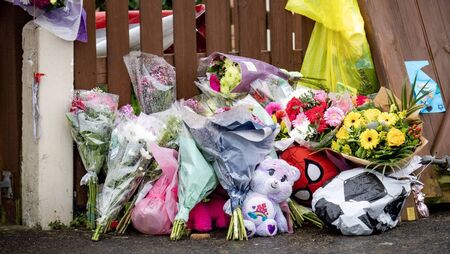
The people of Waterford are still coming to terms with the horrific deaths in a fire at Birchwood estate in the city. Two children were among the four lives lost, putting a spotlight on drug-related intimidation and highlighting the fear and harm the use of drugs can bring to families and communities.
I am not an expert on drug addiction but I am convinced that recovery from addiction is ultimately a spiritual process. I would dare to suggest that a crisis of spirituality is a major contributing factor leading to drug use and addiction.
I believe spirituality is about fulfilling our deepest heart's desires. This longing in all our hearts is well articulated by great spiritual authors, such as John O'Donohue and Ron Rolheiser.
John O’Donohue explores this longing in much of his writing. I regularly dip into his great work, Divine Beauty: The Invisible Embrace. This longing can reveal something of the richness of our humanity. We long for love, intimacy, recognition, belonging, and beauty. In this world, these desires will only ever be partially fulfilled; we continue to reach beyond, to search for more. We are always open to something greater.
The great theologian Karl Rahner speaks of “the torment of the insufficiency of everything attainable.” Rolheiser believes we are fired into life by a madness (an Eros) that comes from our incompleteness. Ultimately, our restless aching is seen as nothing less than the yearning within us for God.
St. Augustine’s interpretation of this eros was seen as the proper one: “You have made us for yourself, Lord, and our hearts are restless until they rest in you.”
Something of that restlessness of spirit was the central theme in the musical We Will Rock You, brilliantly staged by The Tramore Community Theatre Group. I went to see the show last week. The show envisages a futuristic society in which the spirit of the people, their creativity, their yearning for freedom had been suppressed. A group of Bohemians struggle to rediscover this freedom of spirit. Rock music, which had been banned, symbolises this passion and longing for freedom, the longing for love and transcendence The show features the songs of Freddie Mercury and Queen, songs like I Want to Break Free, expressing the desire for liberation from whatever imprisons the human spirit, Somebody to Love, about the hunger for intimacy and belonging, and We Are the Champions, celebrating triumph over adversity.
Indeed, much of Mercury’s music is about the deepest longing of the human spirit. He was flamboyant, exuberant and sensual in his performance. His tragedy was that his attempts to satisfy the deepest desires expressed in his music were incapable of satisfying them. These attempts through cocaine and multiple affairs, etc., ended in tragedy.
Janis Joplin’s life followed a similar trajectory. She was an extraordinary rock singer whose life was ended tragically at the age of 27 following a heroin overdose. Ronald Rolheiser in his book The Holy Longing: The Search for a Christian Spirituality writes about her spirituality. He describes Joplin as "a person of fiery Eros, a great lover, a person with a rare energy." She experienced a powerful inner longing, which was expressed in her passionate performances, her restless search for fulfilment, her music, her desire for love.
It wasn’t that she desired too deeply: her tragedy was that she sought to satisfy those deepest desires through things incapable of fulfilling them, such as drugs.
“She did not have the capacity to integrate that fire of Eros into a life-giving pattern of existence.”
The use of drugs may provide a temporary escape or emotional release, but cannot resolve the deeper hunger of the heart. (The deepest need is for love, acceptance, connection, meaning or peace.)
I was doing a course on addiction and spirituality a few years ago. This afforded me the opportunity to sit in on a rehab programme, which gave me a very privileged insight into the spiritual dimension of addiction. The rehab programme was group therapy-based, led by a professional therapist. Participants' lives were in chaos due to addiction. They were consumed by shame and guilt; their values discarded, their relationships destroyed, their careers ruined.
With the group's support, they could connect with deep-seated emotions, such as anger, hurt, rejection and loneliness, perhaps traumas from earlier in life. For the first time, they could express these feelings in a group setting without judgment. Eventually, they were able to share the trauma and despair of the cycle of addiction.
It was heartbreaking to listen as they shared stories of their deepest longings, which they thought could only be fulfilled through the escape offered by drugs or alcohol. The key to their sobriety was the very humbling step of accepting their powerlessness over drugs, and then surrendering to a Higher Power. For Christians, the higher power is, of course, the God of Jesus Christ.
Those in rehab were able to experience real intimacy for the first time, intimacy based on self-awareness, self-disclosure in the hearing of each other. Community was established; their deepest needs for belonging, acceptance and intimacy were met in the group setting. In surrendering to the Higher Power, they experienced resurrection as hope for a new life of freedom, peace, and joy flooded the hearts of once-broken people.
It is a big challenge for all our parishes to build drug-free communities offering acceptance and belonging and supporting people on the great spiritual journey of life as they seek fulfilment of the deepest heart’s desires.