There is a 'heirarchy of rights' in the State and those who shout loudest succeed, ICTU claims
Vivienne Clarke
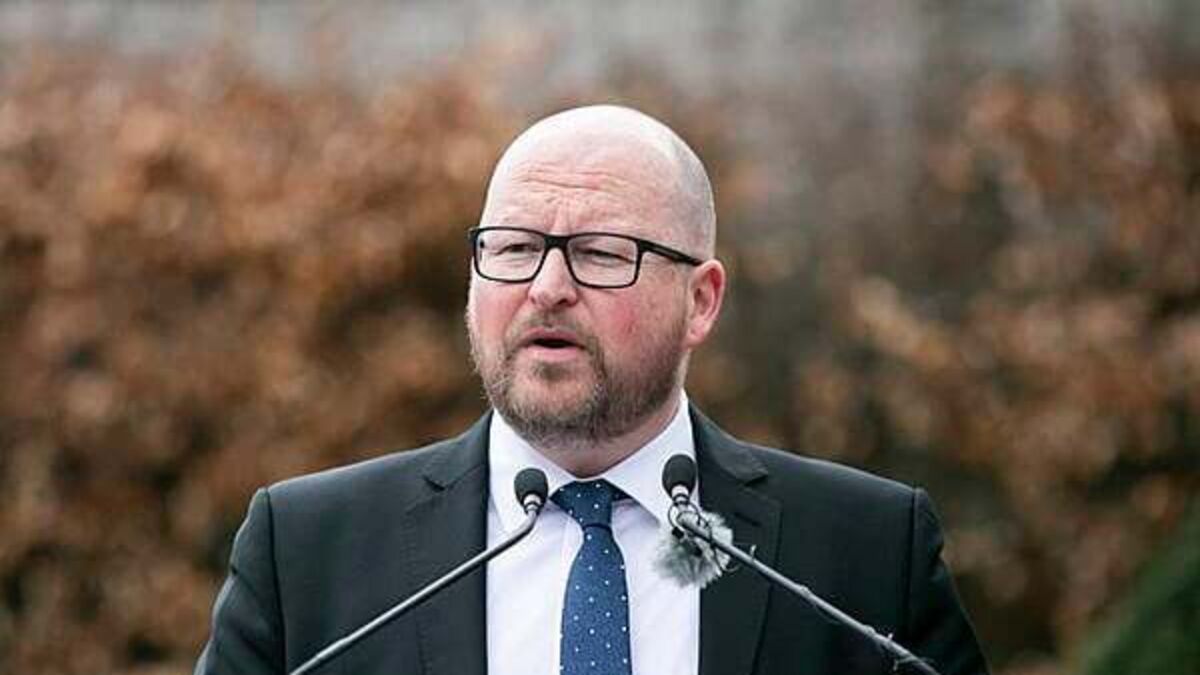
Owen Reidy, the general secretary of the Irish Congress of Trade Unions (ICTU) has claimed there is a “hierarchy of rights” in the State.
“When trade unions take industrial action, we have to ballot for action, we have to serve seven days’ notice.
"If we don't do that, we can be injuncted. It seems farmers and small businesspeople can do whatever they want. So we're not going to tolerate that anymore,” he told RTÉ radio’s Morning Ireland.
Reidy said that it seems "if you shout the loudest, you succeed.
"This isn't just last week. We've seen this with the hospitality sector, where they effectively shook the government down for a reduction in VAT that's not necessary. It's not going to protect any jobs. It's just going to increase the profits of that industry.
“And last week, we've heard of ordinary decent people mounting blockades. Now, I remember when ordinary decent people who are members of Mandate Trade Union protested when Debenhams left them high and dry," he said.
"I remember pictures of Gardaí carrying women away from a protest because they breached Covid rules. There's a hierarchy of rights in the State.”
Minister of State Timmy Dooley rejected that claim and said that the government had engaged with those most impacted by the increase in fuel prices.
“We've been doing that now for a number of weeks. And we continue to engage with representative bodies through the weekend to develop a package which was announced on Sunday.”
The government acted to introduce efforts that benefitted everyone, he said.
“The action taken by government in lifting the blockades was aimed at getting goods moving. The reduction in oil prices generally was to ensure that food supplies were able to get to the marketplace, that we were able to keep hospitals with food, we were able to keep hospitals open, we were able to keep emergency services in place. This was an emergency reaction to the increase in the price of fuel.”
Reidy said that the people who were protesting last week and involved in blockades were farmers, “which represents about two per cent of the total workforce, hauliers and agricultural contractors, small employers, small businesses, about four per cent of the total workforce.”
ICTU would continue to use “tried and trusted” methods to negotiate for better pay and conditions to protect workers, he said.
“But if we don't get pay increases that protect workers and their families against inflation, we will not be found wanting and taking appropriate action and the result of that if it happens, and I'd regret the fact that will happen, would mean that the tried and trusted processes that the Minister is talking about will have failed and the government will have let workers down and we will not look the other way when that happens.”