Waterford's transported 'convict' women featured in new exhibition
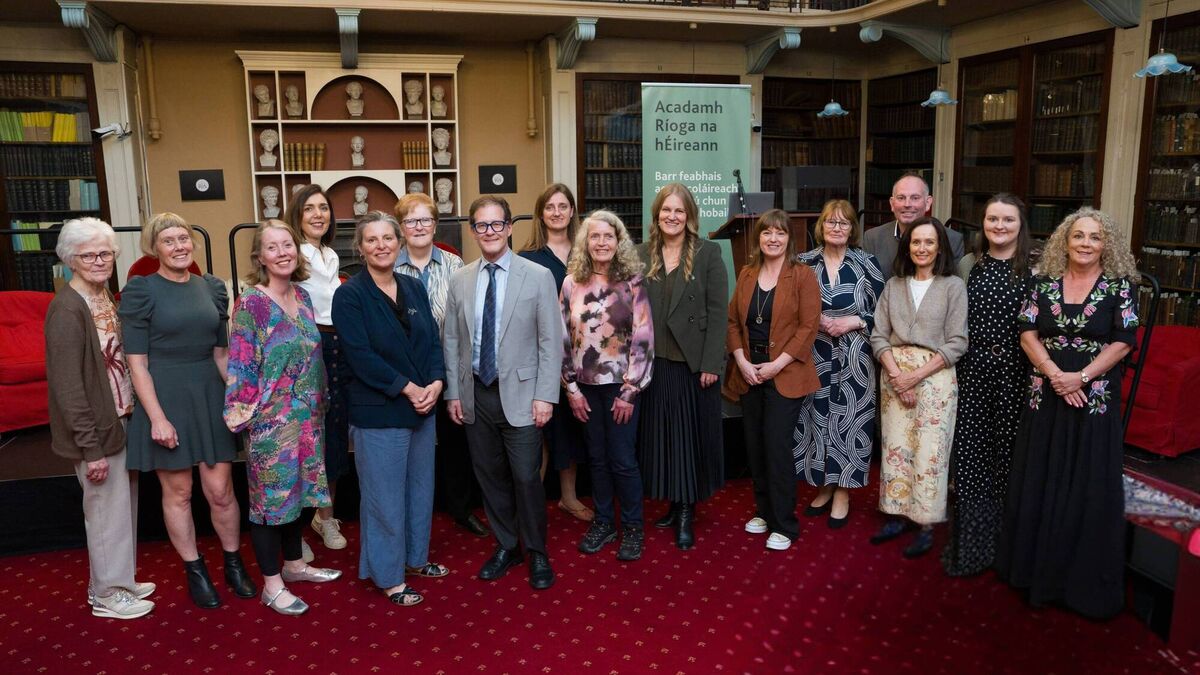
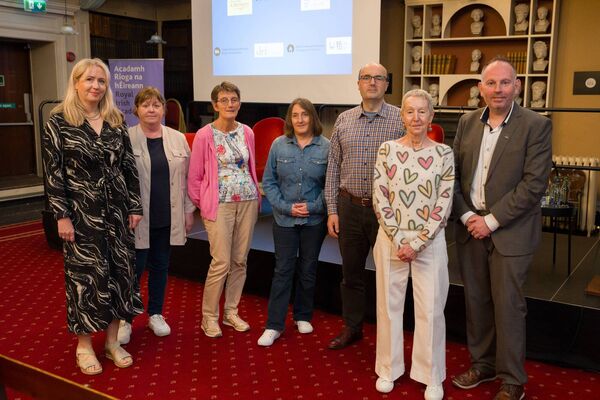
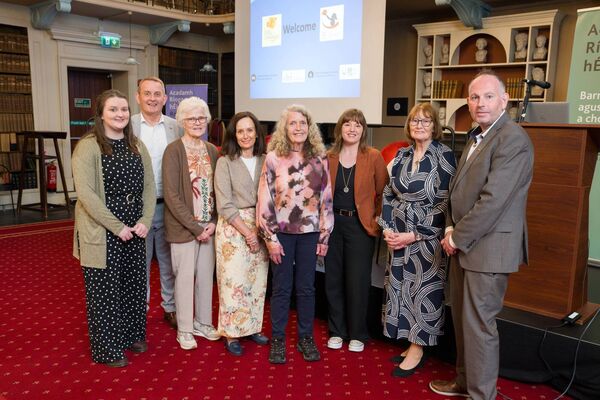
Pictured at the launch of Waterford’s Transported Convict Women exhibition
A new online exhibition was launched this week, featuring 'Waterford’s Transported Convict Women’.
The exhibition was developed in collaboration with Waterford’s Transported Women, A Herstory, Grangegorman Histories, The Digital Repository of Ireland (DRI), South East Technological University (SETU) Library and the Royal Irish Academy’s IT team.
The exhibition offers a unique opportunity to present the stories of women transported from Waterford to Tasmania, via Grangegorman, whose experiences have often been overlooked in traditional historical narratives.
Between 1788 and 1853, approximately 380 women from the Waterford area were transported to Australia – with many of women’s crimes rooted in poverty and survival.
Among them were 10 women admitted to Grangegorman in 1849, who later travelled together to Tasmania (formerly Van Diemen’s Land) aboard the convict ship Australasia.
Launched at an event in the Royal Irish Academy, the free online resource combines digitised archival records, personal testimonies from descendants and handcrafted memorials to shed a light on the lives and legacies of these Waterford women.
The exhibition is also enriched by the poems written by Shirley O’ Shea, a writer from Carrick-on-Suir who has also taught English and German at St Declan's Community College in Kilmacthomas since 1999, and Heather Multimer, a direct descendant of one of the transported women.
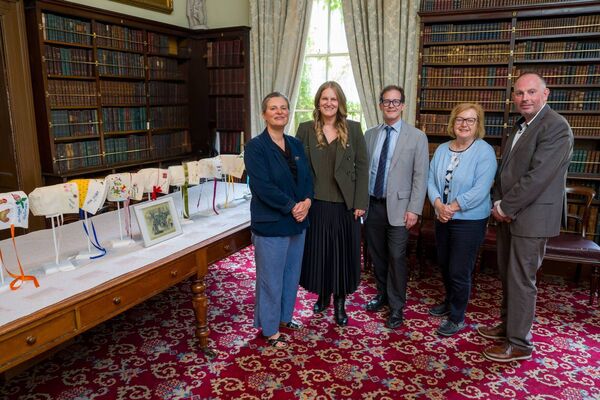
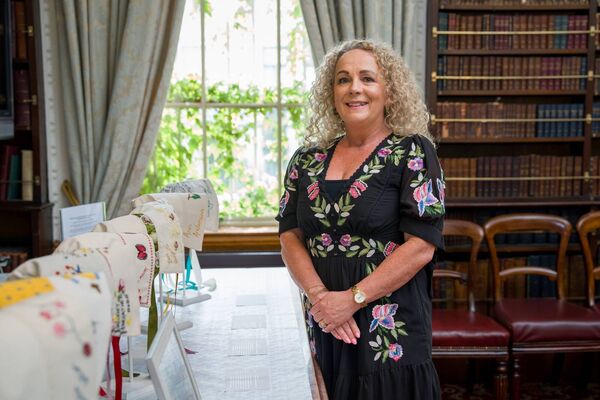
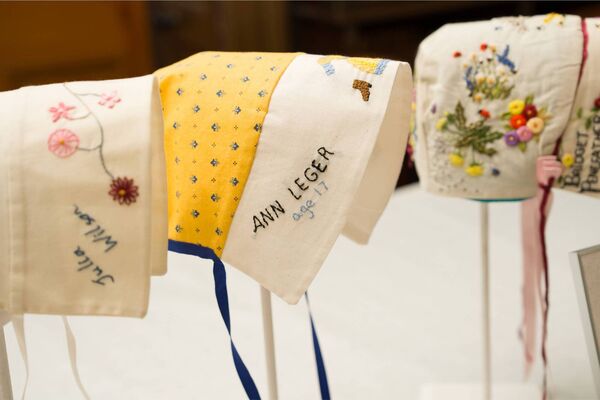
The launch was followed by a reception, held in the Council Room of the RIA, where a selection of handmade bonnets was displayed for attendees to view and enjoy.
The bonnets - part of an international project titled Roses from the Heart - were realised by descendants of the transported convict women, individual bonnet makers and groups including the Waterford Women's Centre.
Each bonnet commemorates one woman, bearing her name and year of transportation. Carefully chosen embroidered symbols also reflect fragments of her life, journey or legacy. A spokesperson for the RIA said: "They stand not only as individual acts of remembrance, but as a collective acknowledgement of the women whose lives and labour contributed to the founding of a new nation. The full collection of bonnets has been ingested into the DRI, in partnership with SETU and Waterford’s Transported Convict Women, A Herstory, and is available on open-access for all to view."
Each set of images includes a short description of the woman being commemorated, as well as the year and location to which she was transported.
Lynn Scarff, Executive Director, RIA said: "The launch of this online exhibition marks a significant milestone in our ongoing commitment to preserving and sharing Ireland’s cultural heritage. As both a historical and contemporary project, the exhibition highlights the resilience of these women, many of whom, despite the circumstances of their transportation, went on to build new lives and make lasting contributions to Australian society."
"It also serves as a meaningful resource for descendants seeking to trace their ancestry and gain a deeper understanding of their origins, while ensuring these important stories are accessible to a wider audience."
Lisa Griffith, DRI Director, also commented on the exhibition, saying: "DRI are proud to support the digital preservation and access of these wonderful bonnets created by descendants of transported convict women, as well as independent bonnet makers and community groups such as the Waterford Women’s Centre."
"Digitally safeguarding these handcrafted memorials will ensure that each woman’s story can be discovered, studied and remembered by audiences around the world," she said.
Kieran Cronin, Special Collections, Heritage and Outreach Librarian with SETU and Chair of the Waterford’s Transported Convict Women, A Herstory, said: "SETU was honoured to support the digital documentation of the bonnets. Through photography and digital preservation, this project helps ensure that these beautiful memorials, and the stories of the women they commemorate, remain accessible to the wider public for generations to come."
Mary Doyle, Chair of Grangegorman Histories, said the project brings renewed attention to histories that deserve to be seen and understood.
"As part of the 'Beyond the Walls' exhibition, opening this autumn, we look forward to inviting audiences to engage more deeply with these stories in the very place where many of them once passed through," she said.
Meanwhile, Ann Fitzgerald, secretary of Waterford’s Transported Convict Women, A Herstory, said: "By bringing the histories of Waterford’s transported convict women to light, this exhibition not only honours their individual lives, but also invites reflection on wider themes of migration, poverty, gender inequality and social justice in Ireland’s past."
"This important exhibition stands as both a tribute and a call to remember those whose stories deserve recognition," she said.
Webmaster at the RIA, Maura Ni Chearbhaill, said developing the online exhibition was a deeply challenging and rewarding experience.
She said it allowed the team to bring together archival materials, personal stories and creative works into a cohesive and accessible digital format.
"Our aim was to create an engaging and user-friendly platform that not only informs but also resonates emotionally with visitors," she said.
The digital exhibition also forms part of the upcoming ‘Beyond the Walls’ exhibition which is set to open shortly in TU Dublin’s new Academic Hub & Library in Grangegorman.
More information on Waterford’s Transported Convict Women online exhibition can be found on here.