Questions asked over independence of expert witness at Noah Donohoe inquest
By Rebecca Black, Press Association
Questions have been asked around the impartiality of an independent expert witness in an inquest into the death of Belfast school boy Noah Donohoe.
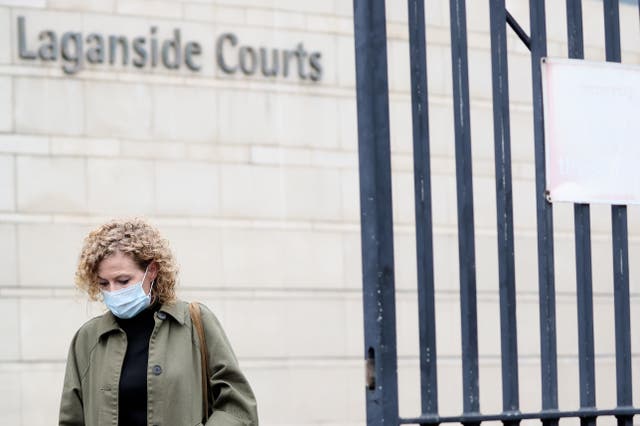
Engineer and hydrologist Jeremy Benn returned to the probe at Belfast Coroner’s Court on Friday to give evidence around a culvert where the 14-year-old is believed to have entered the storm drain tunnel and where he was later found dead.
The inquest, which is being heard with a jury, is now in its 17th week.
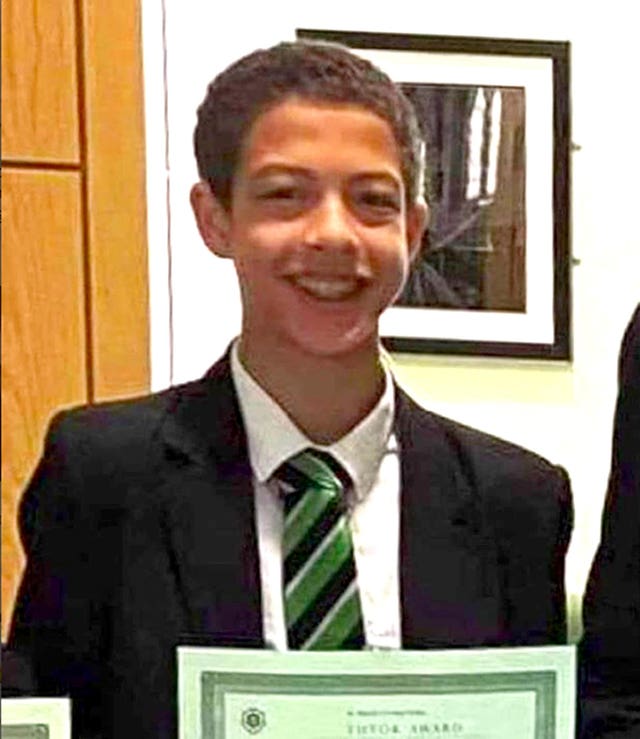
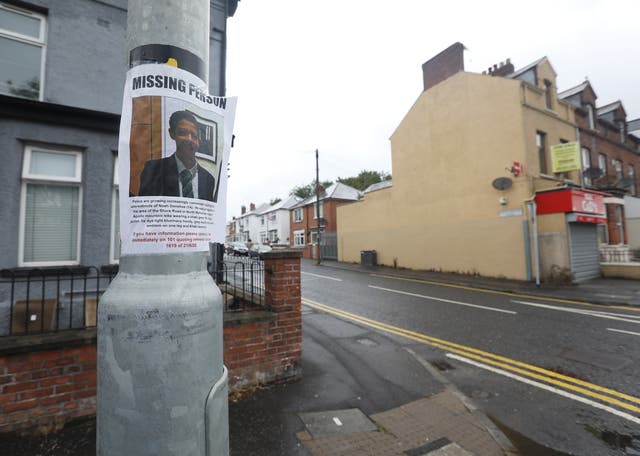
Noah had set off on his bicycle from his home in south Belfast on the evening of Sunday, June 21st, 2020, planning to meet two friends in the Cavehill area in the north of the city.
However, he was later seen on CCTV footage cycling along York Road. The last sighting of him was on Northwood Drive.
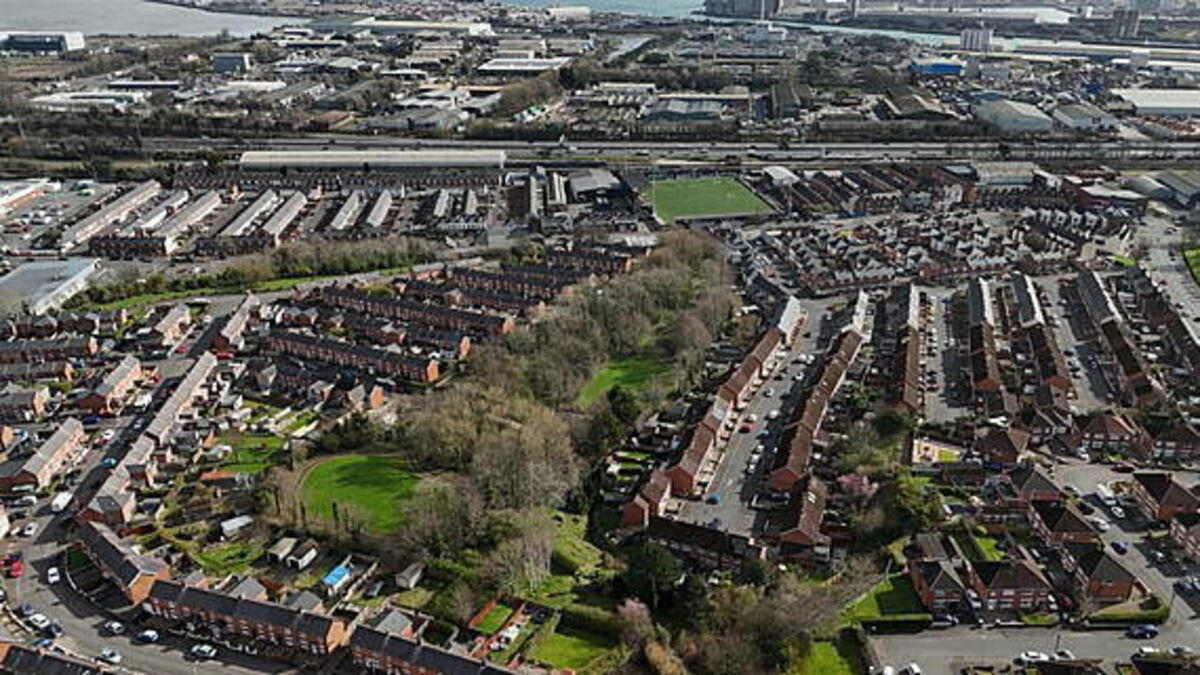
Police believe Noah entered the nearby Premier Drive stream culvert.
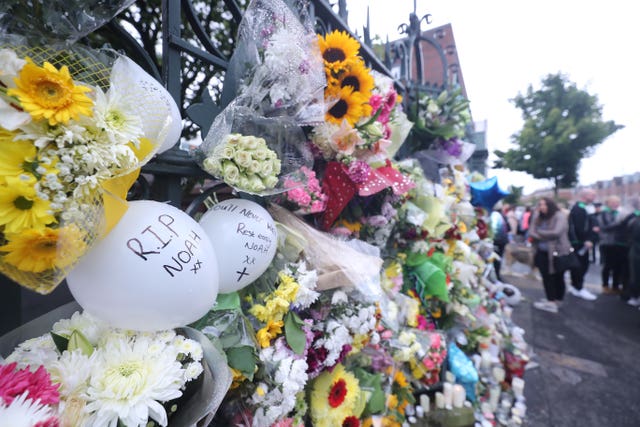
His naked body was found around 600m further down the storm drain tunnel at a Northern Ireland Railways depot almost a week later, on June 27th.
A post-mortem examination found the cause of death was likely to be drowning.
Mr Benn had previously given evidence along with three other expert witnesses last month.
He was instructed by the Department for Infrastructure.
Brenda Campbell, KC, who is acting for Noah’s mother Fiona Donohoe, put to Mr Benn that he and the company he currently works for, and was previously a director of, JBA Consulting, had a long history of working with the department.
The inquest previously heard that Mr Benn was one of the authors of Construction Industry Research and Information Association (CIRIA) guidelines around culverts.
He has also been involved with training both department staff and consultants who work with the department on those guidelines.
Ms Campbell put to Mr Benn on Friday that he and JBA Consulting had been working with the authorities in Northern Ireland since the mid 1990s.
She also put to Mr Benn that his advice had been referred in a letter to then Infrastructure Minister Nichola Mallon and police following Noah’s death, and to the inquest as having approved an existing debris screen at the culvert instead of a security screen.
Mr Benn said that had come from a five minute phone call with a person who had attended a training course he had led.
Ms Campbell put to Mr Benn that either he was “underplaying his involvement or the department was overplaying his involvement”.
Mr Benn responded saying he had not been given any formal instruction to review and approve.
Pressed if the department had overplayed his involvement, Mr Benn said he didn’t feel it would have been deliberate.
Asked whether a successful working relationship with the department had continued after Noah’s death, Mr Benn responded: “There is a lot of work, yes.”
Ms Campbell asked that given that background, and that new CIRIA guidance was going to be “stress tested” for the first time in the circumstances in which a child had died, whether the department could have approached “someone more independent” for the inquest.
Mr Benn responded saying that was up to the department.
It was put to Mr Benn, while he was giving evidence to the inquest on Thursday that the Premier Drive stream culvert was a “seriously dangerous place for a 14-year-old child, unauthorised, to be in”, being dark, cold, part of an almost 1km long storm drain tunnel which filled twice a day with the tide.
Mr Benn responded saying: “I wouldn’t go as far as to say it’s seriously dangerous”, terming it instead as “medium risk”.
On Friday, Ms Campbell told Mr Benn it was a “highly dangerous environment”.
He said that “depends”, describing it as “one of the shortest culverts in Belfast”, and disputed a description of the banks as “very steep”, and “not a hazardous gradient”.
Ms Campbell also put to Mr Benn that with the tunnel filling twice a day with the tide, it would have been “quite a terrifying prospect as a child”.
Mr Benn responded agreeing it would have been terrifying, but said the filling of the tunnel “would not have been sudden”, pointing out it would have filled over six hours with the tide cycles.
Meanwhile, during her cross examination, Ms Campbell queried Mr Benn’s attitude to security screens at culverts, putting to him he had referred to them as “death screens” during an expert's meeting and whether he was “catastrophising”.
Mr Benn made the point security screens had caused flooding in the past, referring to the flooding of the Westlink underpass in 2008 in Belfast due to a security screen, as well as incidents at Letterkenny Hospital and Dundrum Shopping Centre in Dublin.
He also gave examples of three deaths in his report to the inquest, which he said had involved security screens at culverts.
Presenting Mr Benn with evidence putting into doubt that security screens had been involved in those deaths, Ms Campbell put to him he was “catastrophising, capitalising on the death of another child”.
Mr Benn responded: “I won’t accept that”.
At the start of his evidence on Friday, Mr Benn said he wished to express his condolences to Noah’s family, adding his use of language in his evidence is technical and not meant to be insensitive.
The inquest will resume on Wednesday.