Paedophile Bill Kenneally: Inside the making of the State Apology
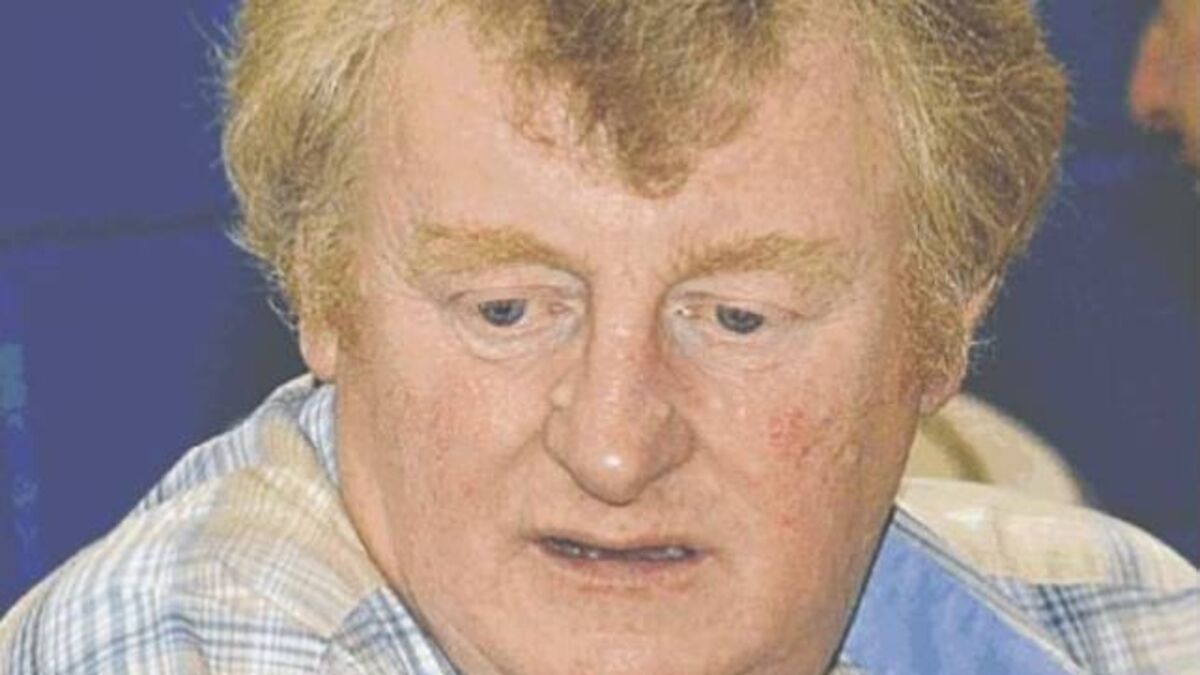
Bill Kenneally, a predatory sexual abuser who used his position in local soccer, tennis and basketball to lure in countless victims. He died whilst in custody in Midlands Prison in June, aged 75.
State apologies are rare landmark occasions that are reserved for individuals or groups who have suffered catastrophic tragedy or who have fallen victim to severe state failures.
The latest of such apologies was delivered last month to the victims of prolific paedophile Bill Kenneally, the predatory basketball coach whose reign of terror against countless boys in Waterford lasted for decades.
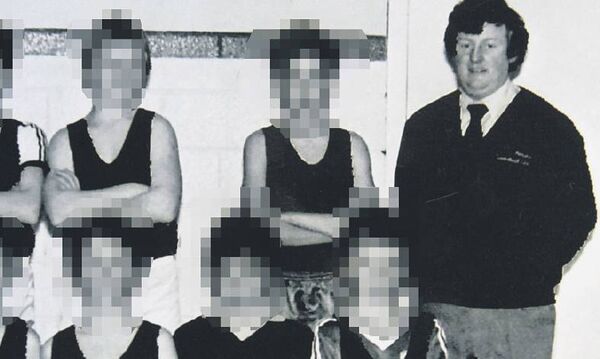
Kenneally’s depraved masochism was well known locally to gardaí, an HSE psychiatrist, senior clergy members and two government politicians. Despite this knowledge, Kenneally was not brought to justice until 2016.
The state's recent apology for this failure was more than political posturing, it was a historic moment where the survivors of the state’s worst ever paedophile were finally heard, following childhoods spent having cries for help dismissed by the institutions that were supposed to protect them.
The open secret could no longer be avoided, and it was finally time for the state to step out and acknowledge this staggering, frightening period of Irish history.
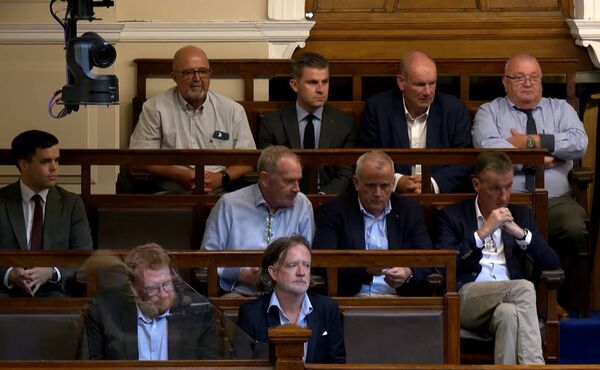
The Waterford News & Star has obtained internal documents from within government departments which provide insight into how this task was managed.
The documents reveal what the Taoiseach and Minister for Justice said to the survivors in the weeks leading up to the apology, how civil servants within the departments carefully constructed the nationally broadcasted apology speeches, and how the issue of redress for survivors was approached by government.
It started with with the preparation of a report by Judge Michael White, who led the commission of investigation that was setup in 2018 to examine the crimes of Kenneally.
In March 2026, Minister for Justice Jim O’Callaghan, circulated an email to officials within his department informing them that the Commission of Investigation had finally submitted a report to him.
O’Callaghan told Department officials that he would like to publish this report ‘as soon as possible’.
In order to do, engagement first took place between the Department, the Garda Commissioner and the Attorney General.
Both the Gardaí and the Attorney General confirmed that there was no obstacle to the report being published.
In May, Minister O’Callaghan ordered that the Government be informed of the report’s completion and its readiness for publication.
Printing commenced, and the Minister asked that the report be officially published on June 9.
‘I want the victims to receive on Monday 8 June’ he wrote in an email to a Department official.
Preparations for the landmark publication were officially underway, and a memorandum was sent to Government.
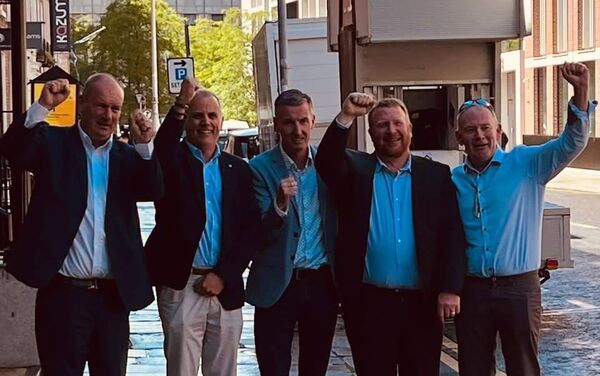
On the morning on June 8, the Commission of Investigation sent its final report to Minister for Justice Jim O’Callaghan.
The Minister immediately provided a copy of this report to the victims who had been in contact with his Department, and the following day, the report was published online for the entire country to examine.
The damning report immediately grabbed national headlines. It highlighted that there was a severe dereliction of duty by an Garda Siochana in Waterford during their initial investigation into Kenneally in the late 80s.
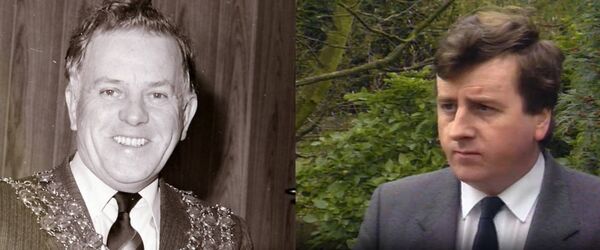
Meanwhile, Fianna Fáil, and by the same token, the government, faced scrutiny for the inaction of two of their former TDs, Billy Kenneally and Brendan Kenneally, who both had knowledge of the violence and depravity committed by their relative, and who both tried to keep it to themselves.
Government were prepared for media questioning and public pressure.
A document of ‘suggested speaking points’ was circulated to officials within the Taoiseach’s office and the Tánaiste’s office, and a press release was created.
A document circulated through government departments outlined key points relating to the publication of the commission of investigation report and a note that the Minister for Justice was now going ‘to reflect on the findings of the report.’
On the same evening that the report was publish, the Minister for Justice’s office contacted legal representatives of the survivors to arrange a meeting.
On June 16, eight days after the release of the report, a cohort of the Kenneally survivors met with the Minister for Justice.
The Minister indicated that steps would now commence to provide a full and formal state apology.
Survivors said the meeting was successful, and that the Minister was forthcoming.
The Taoiseach was their next target.
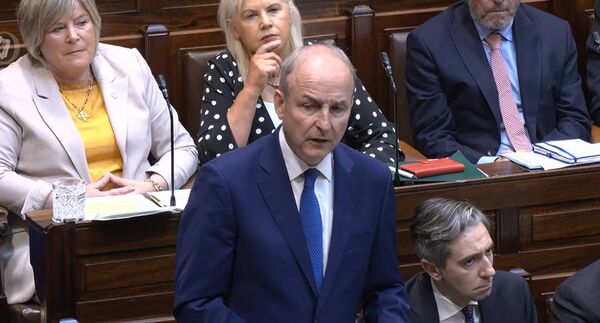
Phoenix Law, a human rights firm who act in a legal capacity for a number of the Bill Kenneally survivors, circulated a letter addressed to Taoiseach Micheal Martin shortly after the meeting with O'Callaghan.
The letter asked that a formal apology be issued by the Taoiseach.
The letter further stated: ‘A state apology is not only the logical conclusion that flows from the instant findings, but indeed, it is necessary to truly reflect and close this very dark chapter in our history.’
Later that night, a member of staff within the Taoiseach’s office asked that this letter be brought to the Taoiseach’s attention ‘at the earlier possible convenience.’
Two days later, an email was circulated which confirmed that the Taoiseach had agreed to meet with the survivors.
In advance of this meeting, speaking points, a briefing and a summary of the commission’s report were sent by a civil servant to the Private Secretary of the Taoiseach.
Through these documents, the Taoiseach was informed that a number of legal proceedings were being taken by some victims against An Garda Siochana and other State parties.
The documents state: ‘The Minister for Justice spoke to the Garda Commissioner indicating that steps to mediate these proceedings should be taken. The victims indicated that their preferences would also be to resolve these proceedings without recourse to the courts. The victims stressed their desire to move on with their lives.’
It was recommended to the Taoiseach that the call for a mediated settlement should be reflected in the wording of the finalised formal apology.
The meeting between An Taoiseach and survivors took place at Government Buildings on June 25.
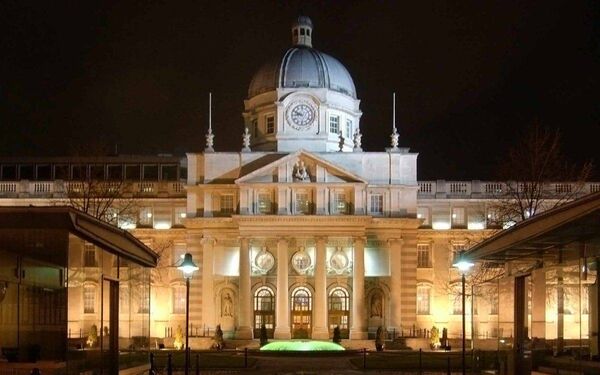
It was attended by a group of survivors, their legal representatives, the Taoiseach, and two Department officials.
The Taoiseach opened the meeting by stating there had been a failure of the state to properly investigate child sexual abuse allegations made against Bill Kenneally, and that he would be offering an apology on behalf of the state in recognition of these failings.
The Taoiseach noted that the conduct of two former TDs from his party, Billy Kenneally and Brendan Kenneally, was unacceptable and that he would be underlining this in the apology.
He also emphasised his desire for a mechanism to ensure that victims would not have to pursue their claims against An Garda Siochana through the courts.
He said he would think about the best mechanism of redress for the victims.
He then asked the survivors to raise any points they wished to discuss with him.
Points raised included the necessity to ensure that future commissions of investigations are more ‘survivor-centred’ and empathetic, and the possibility of introducing a new criminal offence for misconduct in public office.
The Taoiseach supported this viewpoint, noting that public representatives should be held to a higher standard.
Meanwhile, the Minister for Justice and his Department were busy crafting speeches and statements in advance of the formal apology delivery in Dáil Eireann.
The Minister held discussions with the Taoiseach and the Tánaiste, and a Memorandum to Government went to Cabinet.
On June 22, a draft apology speech was sent to Minister O’Callaghan from officials in his Department.
The Minister added a further paragraph to this himself and asked that it be approved by the Taoiseach.
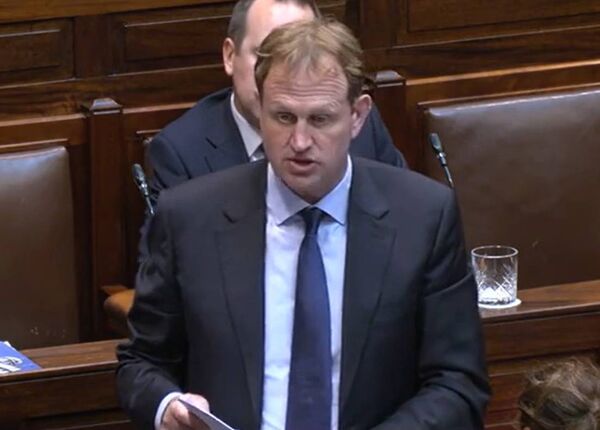
On June 25, a draft statement sent by the Department to the Taoiseach’s office was returned with a request from the Taoiseach to amend it and include 'more empathy.'
Work on statements and apology speeches continued within both the Department of Justice and the Department of the Taoiseach, with pressure mounting to ensure that the formal apology be delivered prior to the fast approaching Dáil recess period.
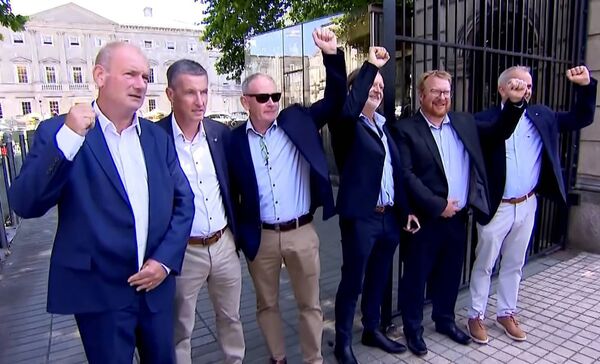
The Taoiseach, Ministers, Departments and civil servants worked until July 14, when the victims of Bill Kenneally received their full and formal apology, during a historic day in Dáil Éireann.
“I apologise unreservedly on behalf of the State to the victims of Bill Kenneally for what was a clear and serious dereliction of duty” the Taoiseach said from the floor the Dáil as victims, their families, and the country watched on.
“No words from Government can make up for the theft of childhood from so many young boys, for the appalling abuse they suffered and the enormous trauma they have experienced in their lives as a result.”
Minister O’Callaghan said in his own speech: “While nothing will ever take away what happened to Bill Kenneally’s victims, I hope it is some comfort to them that their efforts will have made the world a little safer for the most vulnerable, including our children, that come after them.”
In the aftermath, survivors expressed to this newspaper that they were pleased with the apology and its delivery.
Awarding the Kenneally survivors with Waterford’s highest civic honor, The Freedom of the City, has since been mooted, as has the erection of a permanent memorial to further ensure that their pain, tenacity and courage is never forgotten.
(READ OUR SPECIAL REPORT ON BILL KENNEALLY)