Letters to the Editor: Bill Kenneally and the people who could have stopped him; drinking habits among men
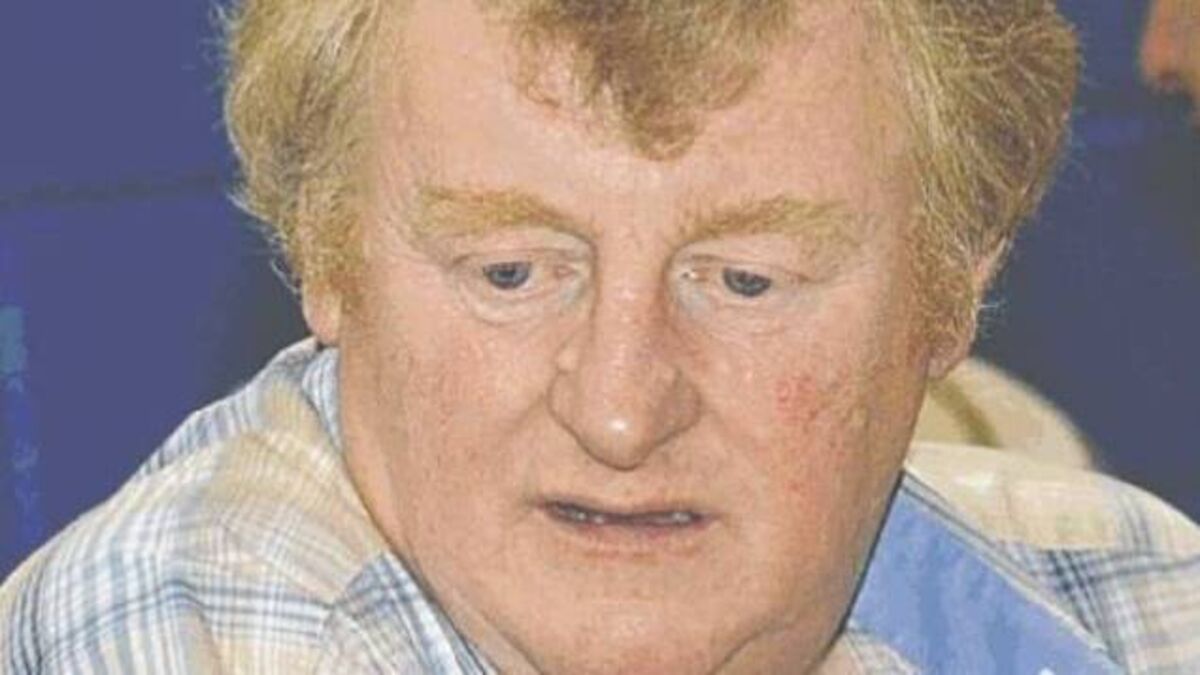
Bill Kenneally
Dear Editor,
What powerful and terrific coverage in the edition of June 16 regarding Bill Kenneally and all the people who could and should have stopped him. It was outstanding.
It makes one wonder if the same could happen today if the perpetrator was connected to the same political party... makes one wonder if politicians ever learn, or do they just repeat the same mistakes of the previous regimes?
And do the riff-raff connected to the party still get away with breaking the law like Bill Kenneally did? I'm somewhat fearful that they still do!
Keep up the good work and many thanks for doing it so well!
Frank Walsh,
Dunmore East
Dear Editor,
The recent research published by IPSOS B&A for Drinkaware concerning the drinking habits of middle-aged men in Ireland sheds a necessary light on a silent cultural dependency. To learn that alcohol remains the "organising principle" for friendships among men aged 40 to 55 is both a testament to our social reliance on the pub and a warning sign regarding how we manage isolation and stress.
Many men in this age bracket find themselves in a "survival mode", balancing the intense pressures of parenting, peak career demands, and ageing parents. It is entirely understandable that a drink is frequently rationalised as an "earned" trophy at the end of a demanding week.
However, the revelation that a typical session is now normalised at 4 to 6 drinks, increasingly relocated into the privacy of the home, demonstrates a significant disconnect from objective health realities.
When 55% of adult drinkers are now most likely to drink at home, the domestic space risks becoming an unmonitored baseline for habitual binge drinking.
Crucially, the study notes that men lean heavily on the pub and casual sports talk because alternative spaces, like cafés, are perceived as too formal or pressured. Yet, Drinkaware’s data reveals that half of those wanting to cut back say that more alcohol-free venues would help them do so.
We are facing a stark infrastructure gap in our communities: men want connection, but our society repeatedly tells them that connection requires a glass in hand.
If we are to support this generation of men, we must champion a shift toward a "Drink Less, Talk More" philosophy. Prioritising authentic engagement over the quantity of consumption, utilising non-alcoholic alternatives, or simply changing the ritual to a weekly walk can preserve vital friendships without compromising long-term health.
It is time to dismantle the unspoken expectation that connection requires intoxication. Our health and our friendships depend on it.
Yours Truly,
Dearbhla O’Brien
Chief Executive Officer
Drinkaware