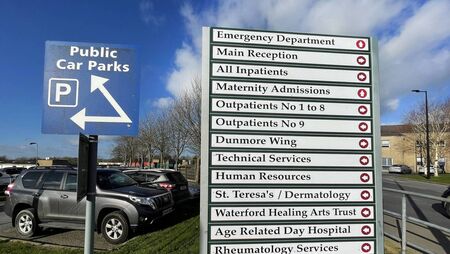
Waterford’s Exclusion from the BusConnects Programme poses high risk to safety of school children
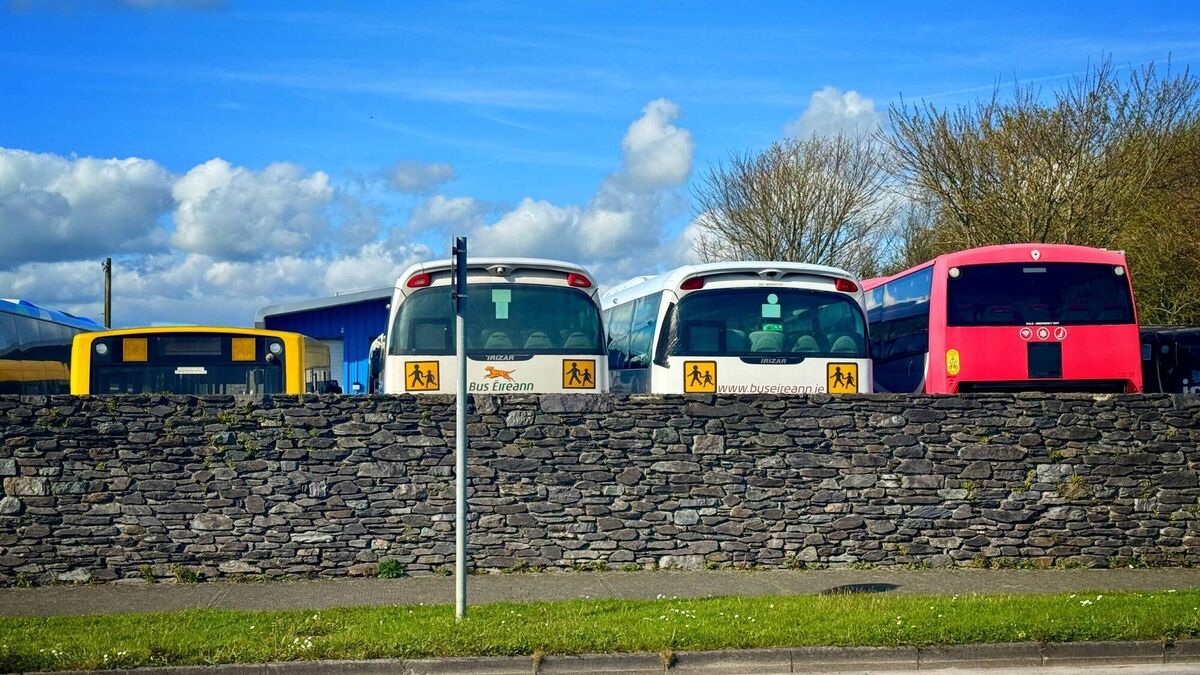
There is concern over Waterford's exclusion from the BusConnects programme
This week’s column does not directly touch on faith issues per se. But as it concerns child safety in our parish and our efforts to honour child safety protocols established by the diocese and the National Board for Safeguarding Children in the Catholic Church in Ireland, I am confident that I will be allowed some licence. After all, our failure as a Church to protect children and vulnerable adults from abuse is the greatest scandal in modern church history.
The safeguarding policy issued by the National Board and the diocese of Waterford and Lismore explicitly states that the Church is committed to “the physical, emotional and spiritual safety of all children in its care and of the adults who work with them.”
Church personnel have a duty of care to identify hazards which could pose a threat of serious injury to a child. A risk assessment of the venue must be carried out and procedures put in place to manage the risk identified.
A risk assessment was carried out by professional Health and Safety Consultants (Eurosafe) in relation to the practice of parents using the church car park in St Joseph and St Benildus to drop off children in the morning and, in the afternoon, to pick up children attending the local schools (De La Salle College, Waterpark Primary and Secondary Schools, Newtown Schools). The Eurosafe report concluded that the parish car park was not designed to cope with the volume of traffic using it at the peak hours of school opening and closing. Consequently, there is a high risk of injury to children.
The parish would normally be delighted to provide such facilities to parents. Unfortunately, we were obliged to inform schools and parents that we could no longer accommodate this practice. The schools in the vicinity have long since identified this potential hazard to children and have erected barriers preventing vehicular access to school grounds for parents. We sincerely regret being forced to adopt this policy. But our insurers (Allianz), our legal advisors (William Fry Solicitors), the National Board for Safeguarding Children and the diocese have insisted this policy must be enforced. We have no option but to comply.
The problem could have been largely resolved if the new bus network for the Waterford Metropolitan area, BusConnects Waterford, had been implemented. It involves a redesign of the Waterford bus network by the National Transport Authority. The plan for the Ballygunner residential areas is that a bus service operating on a 15-minute schedule would offer transport to the city centre with stops in the vicinity of the schools in the area. Our Government must take responsibility here.
The BusConnects programme is one of the projects designated as critical infrastructure, which under new legislation (The Critical Infrastructure Act 2026) will be given priority across the State system to reduce delays which might be caused by lack of cooperation between Government department and agencies. The legislation recognises that Ireland has struggled to deliver major infrastructure because approval can take many years.
The first tranche of infrastructure projects designated for fast tracking has been identified; there are nine in total, but none are located in the South East. Some of our local politicians such as Cllr Seamus Ryan and Sinn Féin TD, David Cullinane have argued forcibly that BusConnects Waterford is precisely the type of project the legislation was intended to accelerate; it will provide better access to education and support housing programmes. The provision of public transport to and from estates is vital. Above all, it would ease the level of traffic congestion on the Dunmore Road - Ballygunner area, which is dangerously high at present.
Less congestion on our roads means that planners can develop safer bicycle lanes thereby encouraging secondary school pupils to cycle to school.
Waterford is one of Ireland’s fastest-growing cities and yet the South-East is excluded from the first tranche of designated critical infrastructure projects. The roll-out of the BusConnects programme has already commenced in Dublin, to be followed by Cork, then Galway and Limerick. Waterford is last on the list. I would plead with our local politicians to do all in their power to protest against this level of discrimination by Government in our urban area and to advocate, as forcefully as possible, for the fast-tracking of the new transport system. The safety of our children depends on it, and the provision of housing for future generations will be hampered by the lack of such infrastructure.
In the meantime, I would like to appeal to parents to engage with the Waterford City and County Council’s Stride to School programme. Rather than travelling the whole journey to school by car, pupils could be dropped at designated locations such as public car parks and walk the rest of the way. This would reduce congestion at school gates and eliminate reliance on a high-risk situation in the car park of St Joseph and St Benildus Church. It is a far healthier option and also encourages greater independence among pupils.
The WCCC might also consider the possibility of introducing a River Bus, similar to the river transport system on the River Thames supported by Transport for London Authority. It serves 24 piers along the bank of the Thames and operates as an alternative public transport service. The River Suir in Waterford, running as it does through the city, could function as transport infrastructure. A ferry bus travelling from the Ballygunner area to a constructed pontoon near Waterpark College would considerably ease congestion on the Dunmore Road and provide an exciting journey to school for secondary school pupils.
Our decision to close the church carpark to parents risks attracting much negative publicity. But the Church has, in the past, sacrificed the safety of children to protect its reputation. I am not prepared to jeopardise the safety of children.
I conclude by again appealing to our politicians to exert maximum pressure on Government to include Waterford in the first tranche of Critical Infrastructure projects.