Illuminating commentary on Waterford Council PCOS awareness initiative
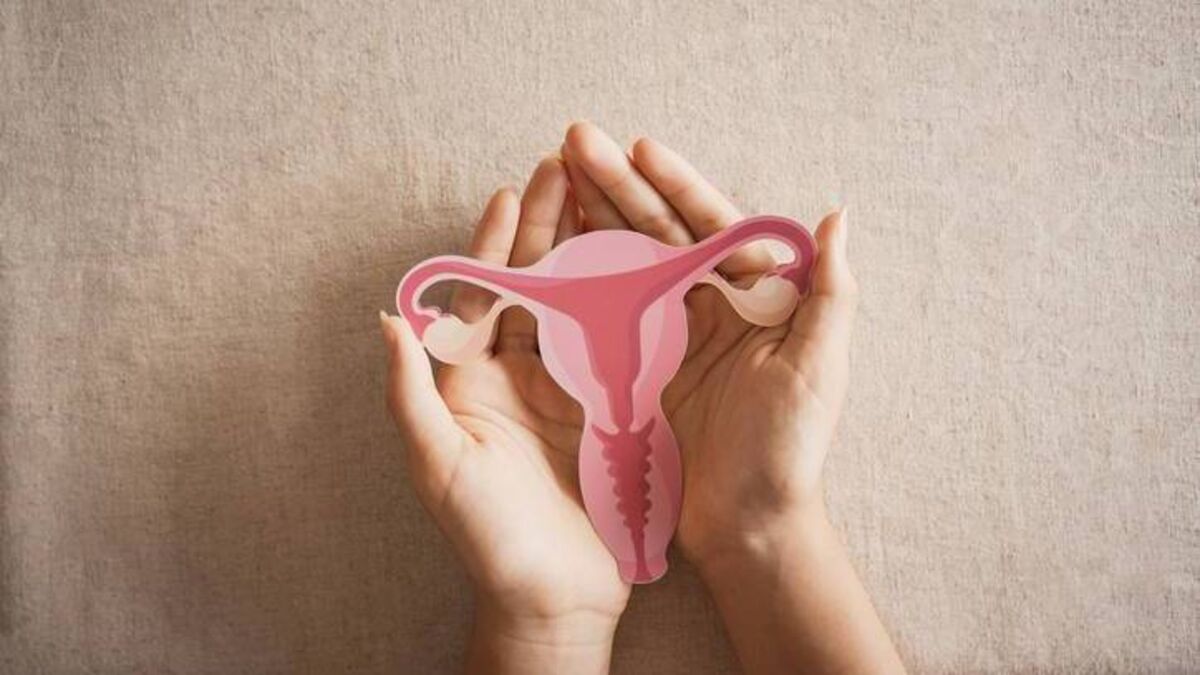
World PCOS Day was held on September 1. Stock Image
A council awareness initiative has sparked some illuminating commentary online around the naming of a common endocrine condition.
World PCOS Day takes place on September 1.
Waterford City and County Council has announced on Tuesday that it would light up its buildings in support of those suffering from polycystic ovarian syndrome (PCOS).
“In Waterford City and County Council, we want to show our support to those affected by PCOS by lighting up buildings across Waterford to mark World PCOS Day.
“By illuminating landmarks across the city and county, we are helping to raise awareness of polycystic ovary syndrome and the impact it can have on women and families. World PCOS Day is an opportunity to encourage open conversations, promote understanding and highlight the importance of early diagnosis and support,” said the council.
While some people on social media applauded the action, others were quick to point out that the condition is not called PCOS but PMOS (polyendocrine metabolic ovarian syndrome).
The name of the condition was changed earlier this year to better reflect the conditions causes and symptoms.
It is interesting to note that the name of the awareness day did not change along with the condition.
Other posters suggested that lighting up buildings doesn’t raise awareness, while another commented on the environmental impact of the initiative.
Polyendocrine Metabolic Ovarian Syndrome, formally polycystic ovarian syndrome, is a condition where a person’s ovaries are slightly bigger than normal, and their follicles may not release an egg.
This means that the person may not ovulate and, untreated, may find it difficult to get pregnant.
Aside from the fertility implications, people with PMOS may have irregular, very heavy or no period at all.
They may also have extra body or facial hair, hair loss and thinning, weight gain and acne.
And to make matters worse, according to the HSE, the condition increases that person’s risk of cancer of the womb, high blood pressure, stroke, depression and sleep apnoea.
The condition can be debilitating, and many people suffer in silence.
And no, having polycystic ovaries does not mean you have cysts.
Consultant Endocrinologist at Beaumont Hospital Professor Michael O’Reilly told the Irish Times last year that the condition affects between one in ten and one in eight women.
But it takes an average of three to five years to get a diagnosis, which leaves many frustrated and in pain.
Prof O’Reilly was part of the consortium that renamed the condition.
And they did so to better reflect what the condition is, which is an endocrinological condition and not necessarily a reproductive one.
The old name made diagnosis more difficult, and there was less research into causes and treatment.
Those who wish to start a family may be unable to, but with treatment, the majority have a successful pregnancy.
According to the HSE, to be diagnosed with PMOS, you must meet two of the following criteria.
* irregular periods, infrequent periods or no periods at all * excess hair growth on your face or body or high levels of testosterone in your blood * an ultrasound scan that shows you have polycystic ovaries Many who have raised concerns before are put on the contraceptive pill.
But the pill may not be suitable for everyone, and while there is no cure, there are treatments to manage most, if not all, symptoms.
So, if you think your periods are not normal, you should visit your GP because your body might be telling you something.
Did you know that pharmaceutical companies in America didn’t have to include women in clinical trials until 1993?
And did you know that the first study on menstrual products to use period material was published in just 2023.
Yep, that means that products like tampons and pads were tested using water or saline which are very different substances.
And did you know that some women can have conditions like ADHD or even a heart attack, which may go unnoticed because what we “know” about those conditions tells us that women are less likely to have them.
It must be something else, like anxiety- sound familiar?
All of this is to say that names reflect what we know, which in turn, increases the chances of a problem being detected and treated.
Some women who report having been tested for PCOS say they were misdiagnosed because they didn’t have cysts.
And cysts are not even a definitive part of the diagnostic criteria, but they were part of the name.
Women’s health has been overlooked for a very long time.
But that is changing, perhaps not as fast as we might like, but the change from PCOS to PMOS will help more people live healthy lives.