Census 1926 exhibition launched at Waterford library
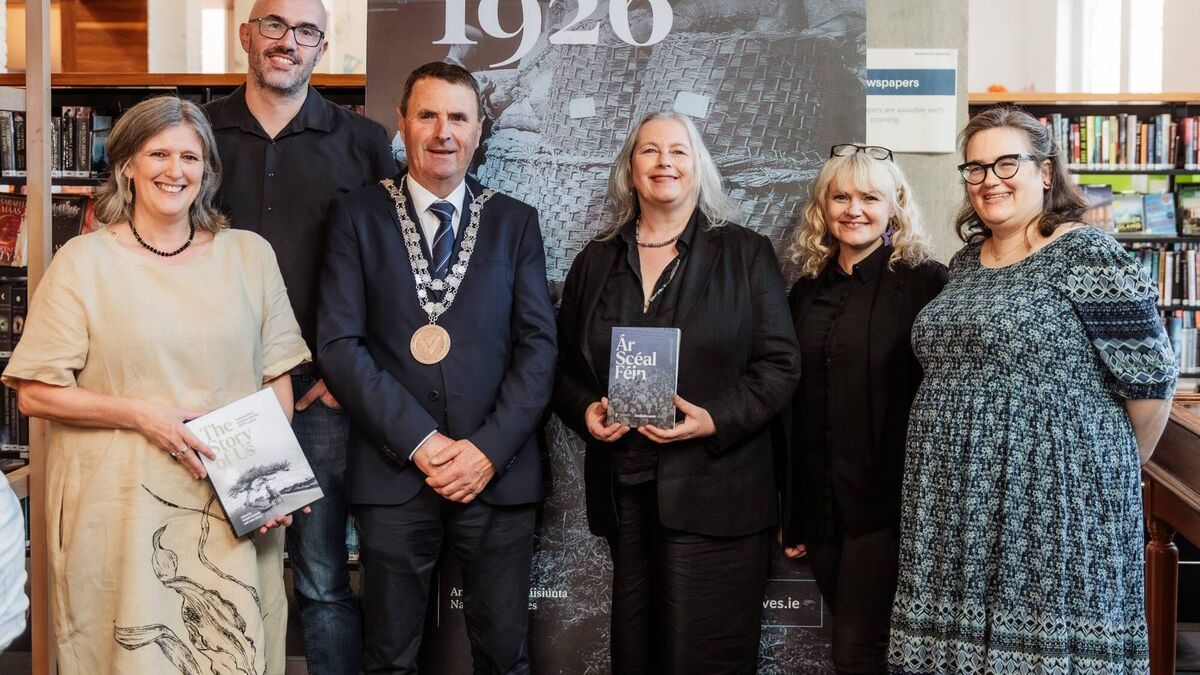
L-R Zoe Reid, National Archives; Fin Dwyer, Irish History Podcast; Cllr Liam Brazil, Mayor of Waterford City and County; Mary Conway, Waterford City and County Librarian; Lorraine Boyle, Local Studies Librarian; Joanne Rothwell, Waterford City and County Archivist. Photo: DGM Photographic
A new exhibition about Census 1926 has been launched at the Central Library in Waterford City.
The event took place on Wednesday evening with Waterford City and County Archivist Joanne Rockwell leading the proceedings.
Speakers on the night were Waterford Mayor Liam Brazil, Keeper of Manuscripts at the National Archives Zoe Reid and historian and host of the Irish History Podcast Fin Dwyer.
Mayor Brazil said that we can learn a lot about Waterford in the 20s from the 1926 census, as well as stories from our own families.
“There are so many stories to be found in this census, and I hope you enjoy exploring them.
“Hopefully it will be good news and that you find out something that makes your life better and less miserable,” said Mayor Brazil.
The mayor thanked Ms Reid and her team for their work on making this important historical record available to the public.
Around 2.97 million people completed the 1926 census, and those records were stored in canvas volumes that had to be cleaned, flattened and digitised.
But the National Archives knew that there would be unprecedented interest in this census compared to previous releases, Zoe Reid explained.
So, they built a platform to house the database and allow the volume of searches they believed would be happening on the release night.
Each entry was extracted by hand, compiled and checked by a person and Irish language entries were transcribed by fluent Irish speakers.
Every page of the 1926 census survived.
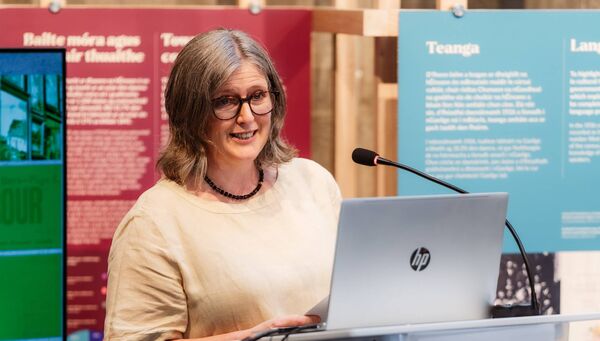
“In a way our effort to digitise mirrors the effort in 1926 to take the census,” said Ms Reid.
Entries included annotations and inconsistencies which Ms Reid said are the “real treasures.” Around 18% of those who filled in the census were Irish speakers, but only one per cent filled in their return in their native language.
This Ms Reid said, suggests a very low level of literacy and most likely the gardaí charged as enumerators helped fill in the returns.
Ms Reid said the data in the 1926 census “does not just count the population but the systems and the inequalities within”.
The final speaker of the evening was historian Fin Dwyer, who said the 1926 census comes at a pivotal time in the lives of the public, three years after the Civil War.
In his presentation, the popular podcaster looked at several records of Waterford City, the Imperial Hotel, Alexander Street, Barracks Street, The Good Shepherd Convent and St Otterans.
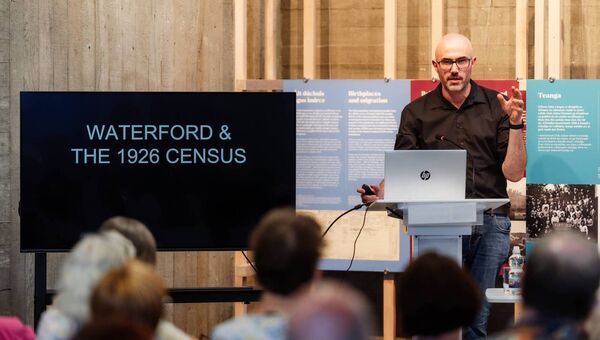
He said Waterford was a diverse but hard place to live and the records show poverty and slums in some parts, the lives of those in institutions like St Otterans and the Good Shepard Convent and the way in which people continued their lives after the civil war.
“The census adds so much colour to so much a black and white story,” said Mr Dwyer.