Green Fingers: Walk on the wild side
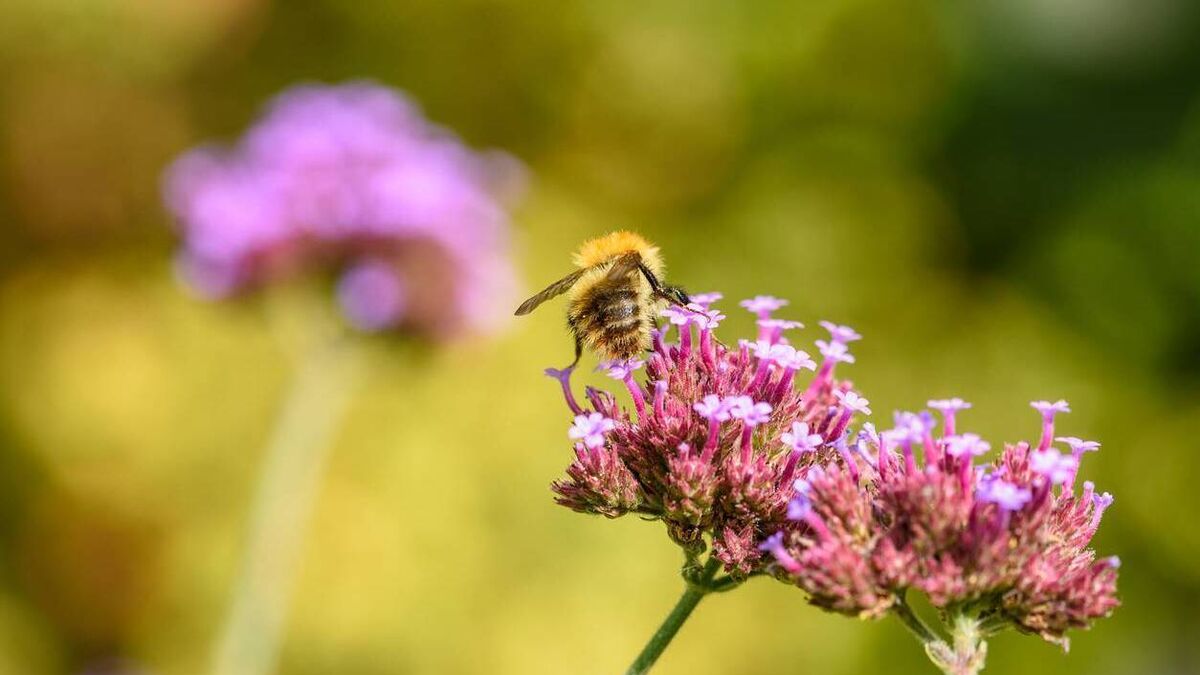
For longer-lasting flowers suitable for wildlife plant perennials, such as verbena bonariensis, pictured.
I would suggest that most people like to get out and about in the countryside and there they enjoy the natural vegetation of flowers all the way up to large trees. It is always a sense of wonder to see all the native flowers managing to not only survive but succeed in the wild landscape and maybe we can learn something from this when growing plants in our garden.
If we think of some of the most exposed parts of the country, the Burren comes to mind but also along the coast from Waterford to Dungarvan. It is in these areas that we see an abundance of wild flowers at this time of the year and I would encourage you to head out there soon and see them for yourself.
Suggested areas include along the road between Annestown and Bunmahon or on the cliff walk in Ardmore or Dunmore East, towards Portally. What this tells us is that the plants are very hardy and happy growing on the free-draining, light soil so give them those ground conditions and they should do even better in your more sheltered garden.
As many of you know I am not fond of formal regimented or geometrical gardens but I do admire them on occasions. On the other hand I cannot get enough of gardens that have a degree of wildness about them. Perhaps this stems from the enjoyment I get from natural landscapes, whether here or abroad. I do prepare the ground well before planting and then they have to get on with it as I do not have much spare time to spend long hours cultivating gardens to a standard where I would open it to the public.
Sometimes I am astonished about how little understanding some self-professed experts have about beneficial plants for wildlife. These are the people who advocate that only native trees, shrubs and flowers are suitable for wildlife, whereas this is simply incorrect and, fortunately, they do not have a large receptive audience. While I do encourage and use native plants where possible there is a huge selection of non-native species that are totally suitable and, in many cases, supplement and cover periods when native plants are of little benefit to wildlife.
The choice of plants available today is huge and it is not difficult to pick out plants for most situations that will also attract some wildlife, including the common attractive ones, such as birds, bees and butterflies.
You can lay on a picnic for these by simply sowing a native wildflower mix into a bare patch of soil and wait for the plants to flower all in the one season.
For longer-lasting flowers plant perennials with single flowers, which might take a year or two to establish, and it might include ajuga, asters, scabiosa, solidago, foxgloves, salvia, sedum and verbena.
Go also for a selection of trees, shrubs and climbers, which are suitable for wildlife and they include berberis, buddleia, ceanothus, cotoneaster, escallonia, fuchsia, honeysuckle, lavender, lilac, potentilla, pyracantha, ribes, skimmia and viburnum.
The mild weather has increased pests and diseases on a wide range of plants so be mindful of this when out in the garden. We use a simple preventative solution every three weeks of a squirt of washing up liquid and a dessert spoon of Jeyes fluid in a gallon (5 ltr) of water and water over any plants that might be prone to an attack, such as lupins, roses and fruit.
If you have any queries or comments you are welcome to share them with me on 051-384273 or orchardstowngardencentre@hotmail.com and if of general interest I will include them in a future article.