Whistleblower accused of 'stirring sh*t' over workplace CCTV installation awarded €44,000
Darragh Mc Donagh
A timber frame worker who was penalised and constructively dismissed after complaining about the installation of CCTV cameras in his workplace has been awarded more than €44,000 in compensation.
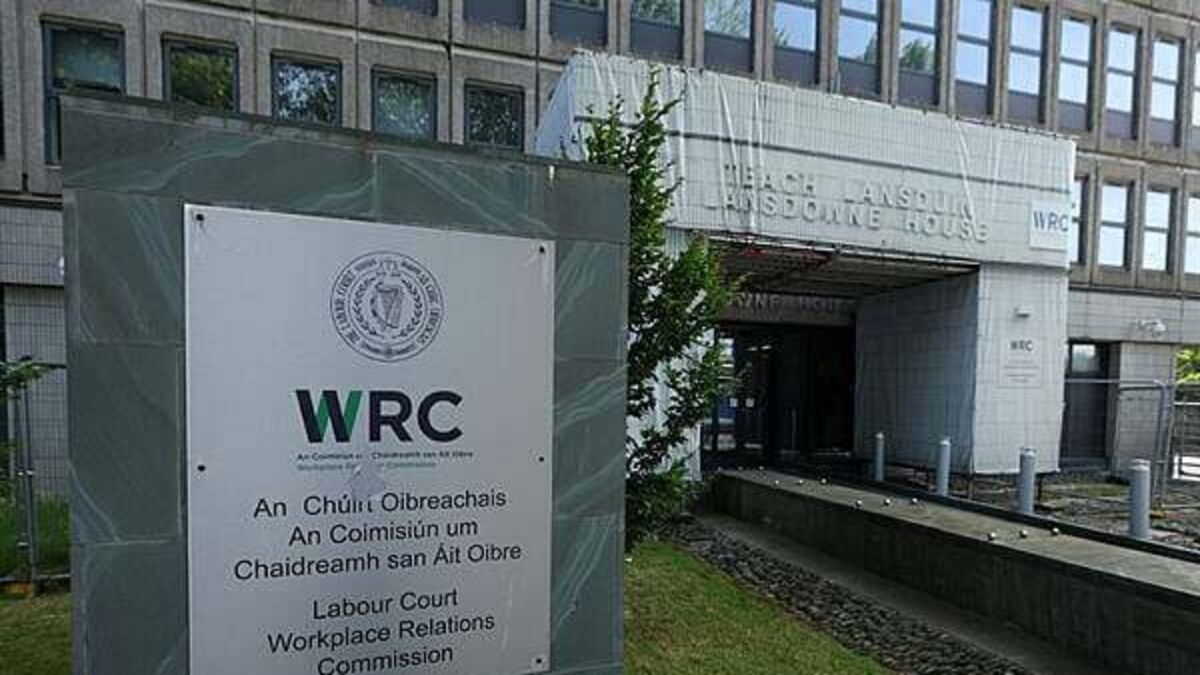
Norbert Batho filed a complaint with the Workplace Relations Commission (WRC) against Timber Frame Projects Limited, trading as Timber Frame Ireland, after a sudden reduction in his hours left him with no option but to resign.
In October 2022, he expressed concern over the installation of CCTV cameras with the company’s general manager, querying why staff had not been informed of the move in advance.
Internal company WhatsApp messages submitted to the WRC showed that the general manager referred to Bathos as “causing all this ruckus” over the cameras, and described him as “a negative virus that stirs sh*t always”.
The messages noted that Batho had been taking photographs of the CCTV cameras and speculated that he had contacted Citizens Information about the matter.
“No one complained or moaned or b*tched about the cameras once yesterday until Norbert came in this morning [complaining] and raising issues, then by [sort of] agreed with Norbert,” the general manager wrote.
Just 35 minutes after those messages were exchanged, Batho was issued with a revised written contract by email, cutting his hours to allocated driving only and reducing his pay.
The company claimed the reduction was due to a “reduced demand” and commercial downsizing.
Batho refused to sign the contract, gave two weeks’ notice, and stated that he was being forced out of his job.
Timber Frame Projects Limited argued as a preliminary issue that Batho did not have the requisite 12 months of continuous service to bring an unfair dismissal claim, asserting that his employment had reset when payroll changed to limited company in January 2022.
However, WRC Adjudication Officer Shay Henry rejected this argument, ruling that the transfer of the business should have been subject to Transfer of Undertakings (TUPE) regulations, thereby protecting Batho’s continuous service.
In his decision, Henry accepted that Batho’s complaint regarding the CCTV had constituted a protected disclosure under the Protected Disclosures Act 2014.
He noted that the communication reducing Batho’s hours had occurred “a matter of minutes” after management exchanged angry text messages about his complaints.
The adjudication officer concluded that the company had failed to show that the reduction in hours had been unrelated to the CCTV complaint.
He ruled that the financial penalty constituted penalisation for making a protected disclosure, and awarded Batho €40,000 under the 2014 Act.
He also found that the sudden, unilateral reduction in pay had gone to the root of the employment contract and that no grievance procedure had been offered.
He said Batho had been constructively dismissed under the Unfair Dismissals Act 1977.
However, as Batho had secured alternative employment quickly and suffered minimal financial loss, compensation for this was capped at four weeks’ pay, totalling €3,056.
A further award of €1,000 was ordered under the European Communities (Road Transport) Regulations 2012 after the company failed to present evidence refuting claims that it had not kept statutory records of Batho’s driving hours and working patterns.