At The Movies with James Phelan: A steamy, engaging oddity of a film
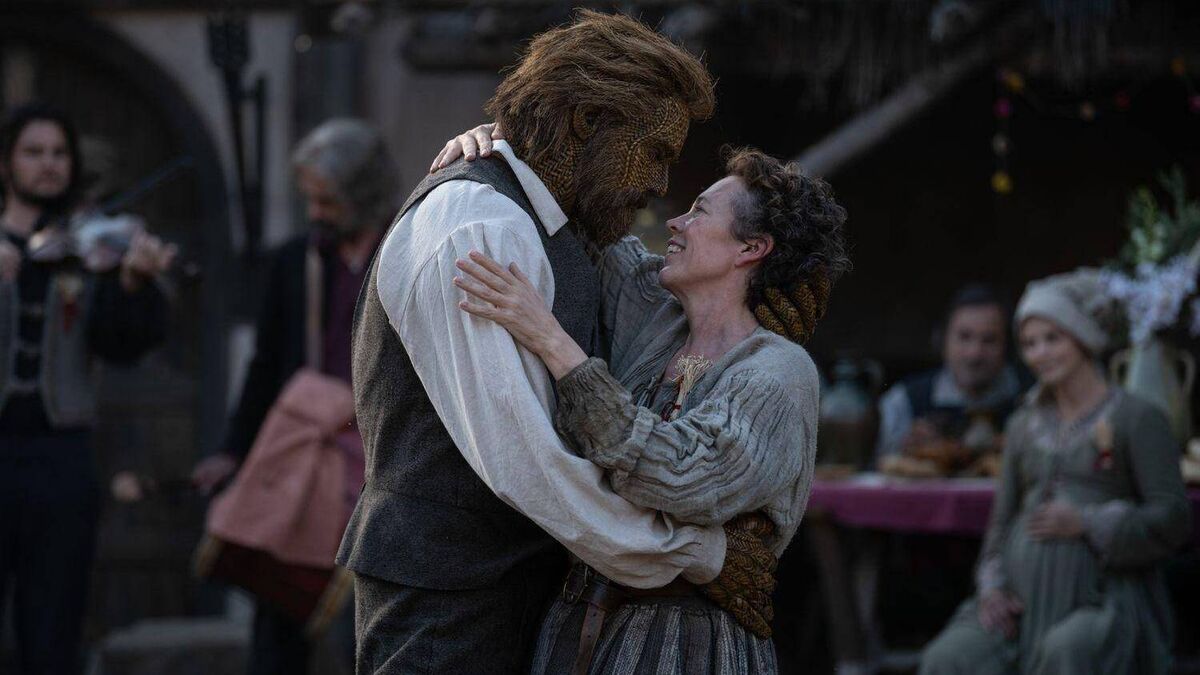
Olivia Colman and Alexander Skarsgard in Wicker.
A film that is hard to describe can be either a warning or an endorsement. ‘Wicker’ is one such film. It is not entirely without precedent but it is very different. And these days, that has to count for something.
And it does, because this is a uniquely thorny and horny period fable about an ostracised Fisherwoman who commissions a husband to be built from wood. This male order groom understandably causes quite the stir in her judgemental medieval village where the locals view the union with suspicion and jealousy.
As played by Oscar-winner Olivia Colman, the Fisherwoman is a fiery and independent outsider whose only social outlet is bringing her seafood wares into town. During one visit, she lingers to experience the mixture of conservative and surreal traditions surrounding what passes for a marriage ceremony in this weird fiefdom.
The story is usefully untethered from actual history by taking place in a deliberately unspecified location and era. In a fictionalised custom in this world, brides wear ceremonial metal collars. The Fisherwoman becomes embroiled in a zany equivalent of catching the bride’s bouquet. Only this bizarre ritual involves smoke-filled eggs. (I told you it was mad) Seemingly selected for marriage next, the mocking laughter of the townsfolk is the last straw for the bitter Fisherwoman. She approaches another outcast who lives on the fringes of this barely civilised outpost. She hires the talented Basketweaver (Peter Dinklage) to create a wicker partner for her.
Only mildly fazed by the request, the Basketweaver cockily believes that he is up to the task and true to his word, delivers a wicker man to the altar a month later. To this point, the film is an inventive take on a fairytale but we are just asked to accept the weaver can imbue his wooden creations with the breath of genuine life. This undepicted power is not linked to either magic or science, which carved a faultline of frustration through the very heart of the project for me.
Still the film is an engaging oddity. By turns filthy and then sweet, the theme of everyone deserving love and passion is heartfelt. As the wooden leading man, the strapping Alexander Skarsgard has been cast as the epitome of onscreen virility several times before. What is new is the utter innocence of his character.
The purity of his devotion to the Fisherwoman isn’t at the expense of an incessant love life as the previously sheltered woman belatedly and loudly luxuriates in pleasures of the flesh. The film amusingly allows the Fisherwoman’s nightly raptures echo around the village as her enthused cries reach the ears of intimidated husbands and envious wives.
And all the simmering resentments only amplify when the wicker husband inadvertently shows up his flesh and bone peers by being a dab hand at mending roofs and fixing fences. His diligence and attentiveness sets far too high a bar for the local human husbands to live up to. A campaign against the couple is instigated by the doctor’s daughter but ultimately rather than external forces, it’s the Fisherwoman’s own ingrained insecurities that threaten to ruin her relationship from within.
Throughout, the film refuses to do the obvious thing. Which is good. I think. Considering how outlandish the premise is, I thought this plot would hurtle into the hysteria of a witchcraft trial. And the film resists this. It resists a lot of other cliches too, but there is a gnawing sense of filmmakers not in full control of their own creation. Some choices read like errors. Or considering its general boldness, there’s a frequent lack of follow through.
For instance, the language is heavily stylised at times but fails to commit fully to its invented lexicon. While the friction of the ordinary co-existing with the extraordinary is never resolved either. The film seems to prove that you can end up somewhere pretty distinctive if you fall between a lot of stools.
In terms of tone and genre, the film never really picks a lane either. It’s not folk horror. It’s not quite funny enough to be classified as the sex comedy it aspires to be.
Maybe it works best as a steamy romance. And maybe that’s enough.