Streamlining Tusla processes will help deal with cases like Kyran Durnin, NRP says
Vivienne Clarke
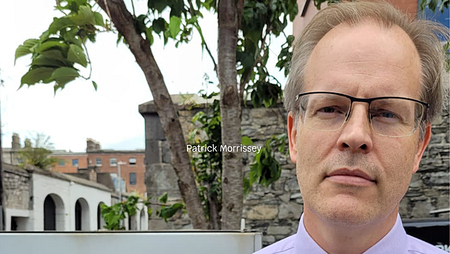
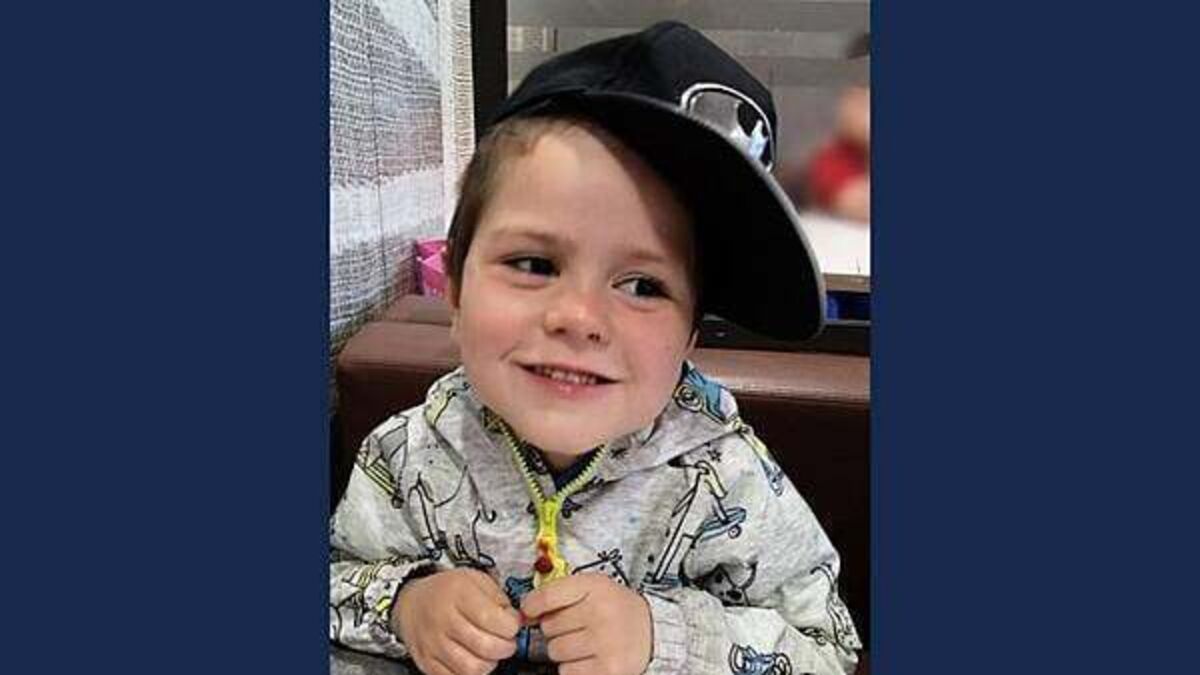
The head of the National Review Panel (NRP), Dr Helen Buckley, has said that recommendations for streamlining processes within Tusla have been designed to help deal with situations like the case of Kyran Durnin.
"We've made recommendations regarding tracking systems from the Department of Education, also the exchange of information regarding Tusla protocols, and also some recommendations for streamlining of processes within Tusla,” she told RTÉ radio’s Morning Ireland.
“All of those are designed to try and help them deal with the sort of unprecedented situations like this, which we've had 12 months to reflect on now."
Dr Buckley pointed out that one of the recommendations would help in tracking children who change school or move out of the jurisdiction.
“If a child's name doesn't appear on another register, we're recommending that there is clarity for school principals about what action to take in that case. But we've also recommended that the tracking system operated by the Department for Education is extended to other jurisdictions."
Dr Buckley also explained the rationale for not publicly releasing the full review report into the Kyrnan Durnin case.
"We have to be very careful not to cross that investigation in any way so that no witness is, if you like, interfered with or that any evidence that we come up with is later used to prejudice the trial.
"So it's very, very important for us to take heed of what the gardaí say and in this case what the Attorney General says."
Tusla’s planned internal reform programme with the aim of making their services more accessible and streamlined were described as “wide-ranging” by Dr Buckley.
“They will try to address every aspect of child protection practice. I think the main impetus behind reform is to make services more accessible and more seamless and to make access easier internally to manage as well because of the way they're rearranging their areas."
Dr Buckley said that child protection services needed “a lot more support” as they were dealing “with all the ills of society.
“Everything is thrown at them. The children whose lives that they're trying to enhance are coming from backgrounds where there's drug abuse, where there's domestic violence, all of these are societal issues. So I think on that societal community level, the child protection welfare services need a lot more support."