Dreams still alive for many in promotion bid

Michael Hosey of Michael Hosey Fruit & Veg Wholesalers and special guest Pat Spillane presents the Men’s Soccer award to Padraig Amond at the Carlow Sports Awards in association with the Nationalist. Photo: Michael O'Rourke Photography
With just over half of the Championship season completed, this is the point at which clubs at the right end of the table begin to dream. The promised land and pinnacle of English football, that is the Premier League, starts to feel like a real possibility. January brings hope for clubs that could be promoted, but it also brings hard choices. Do you trust the squad that has carried you this far and preserve momentum, or do you gamble in the transfer window on the belief that one or two additions could make the difference?
It is a dilemma with no safe answer. If you recruit poorly, you risk unsettling a dressing room that was functioning perfectly well up to now, while if you stand still and watch rivals strengthen around, you may miss your possible promotion. Opportunities like this are rare, and there is no guarantee a club will find itself in such a strong position again next season.
Breaking into the Premier League has never been easy. Staying there is even harder. Promotion has always been marketed as better, bigger crowds, brighter lights, global exposure, and, most significantly, a financial windfall that can help reshape a club’s future. The truth is far less romantic. The Premier League is a huge step up, and the gap between Championship clubs and the Premier League is only widening. Only twice in its history have all three promoted sides avoided relegation the following season.
Recent seasons tell a familiar story. Luton Town, Southampton, Ipswich Town, Leicester City, Burnley and Sheffield United have all been relegated immediately after promotion. Leicester’s fall is particularly striking. Champions of England barely a decade ago, they now serve as a reminder that past glories offer no protection once momentum is lost.
Of those six clubs, only Burnley have managed to bounce straight back at the first attempt. Ipswich currently sit third in the Championship and remain in the hunt for a return. Leicester, Sheffield United and Southampton, however, are sitting in the lower half of the table, underlining just how difficult it is to recover quickly, particularly once key players depart. Luton’s decline has been even more severe. They became only the fourth club in the Premier League era, after Swindon Town, Sunderland and Wolves, to suffer consecutive relegations, and now find themselves just outside the play-off places in League One.
The Championship itself offers no respite. Like Leagues One and Two, it is a relentless slog. Forty-six league matches spread across nine months, often accompanied by extended cup commitments, place huge physical and mental demands on squads. Automatic promotion is usually claimed by the most consistent sides, those who make the least amount of errors and punish opposition mistakes without mercy.

Then there are the play-offs. Football’s most dramatic lottery. Quite often, it is the side that sneaks in under the radar that emerges victorious, carried by momentum and belief, rather than the team still reeling from narrowly missing out on automatic promotion.
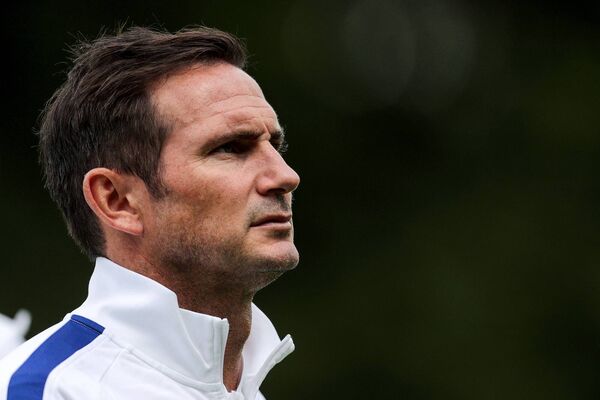
As things stand, Coventry City lead the Championship, holding an eight-point advantage over Ipswich Town in third, just outside the automatic promotion places. Having reached the play-offs in two of the last three seasons without success, they are well aware of how unforgiving the final hurdle can be. This season feels different, and expectations have risen. Frank Lampard has done an impressive job, and failure to secure promotion from this position would be a huge disappointment as the club looks to return to the Premier League for the first time since the 2000/01 season.
Promotion, however, brings complications of its own, particularly when a high-profile manager is involved. Lampard’s name has already been linked with the Crystal Palace job, which is available at the end of the season, after the announcement last week that Oliver Glasner will step down as Palace manager.
Middlesbrough sit second, five points clear of Ipswich, and are targeting a return to the Premier League for the first time since 2009. The north-east remains a footballing hotbed, and the prospect of multiple clubs from the region back in the top flight would add to the atmosphere and long-missed rivalries in the league.
The final week of the transfer window now looms large for both Coventry and Middlesbrough. Agents will circle, and promises will be made on both sides to try to get players over the line for a potential Premier League club and opportunity. Making the right decision and not panicking in these final days could be huge for a club with the rewards on offer. It remains to be seen how both clubs do their business and whether there will be a bolter from the pack who becomes very brave with their late transfer window activity. Deals will go right down to the wire in the final hours, with the less risky loan deals more likely to happen at that stage. Either way, it is shaping up to be an exciting final few days and second half of the Championship season.