The Eyes of Gaza by Plestia Alaqad – a hard but necessary read
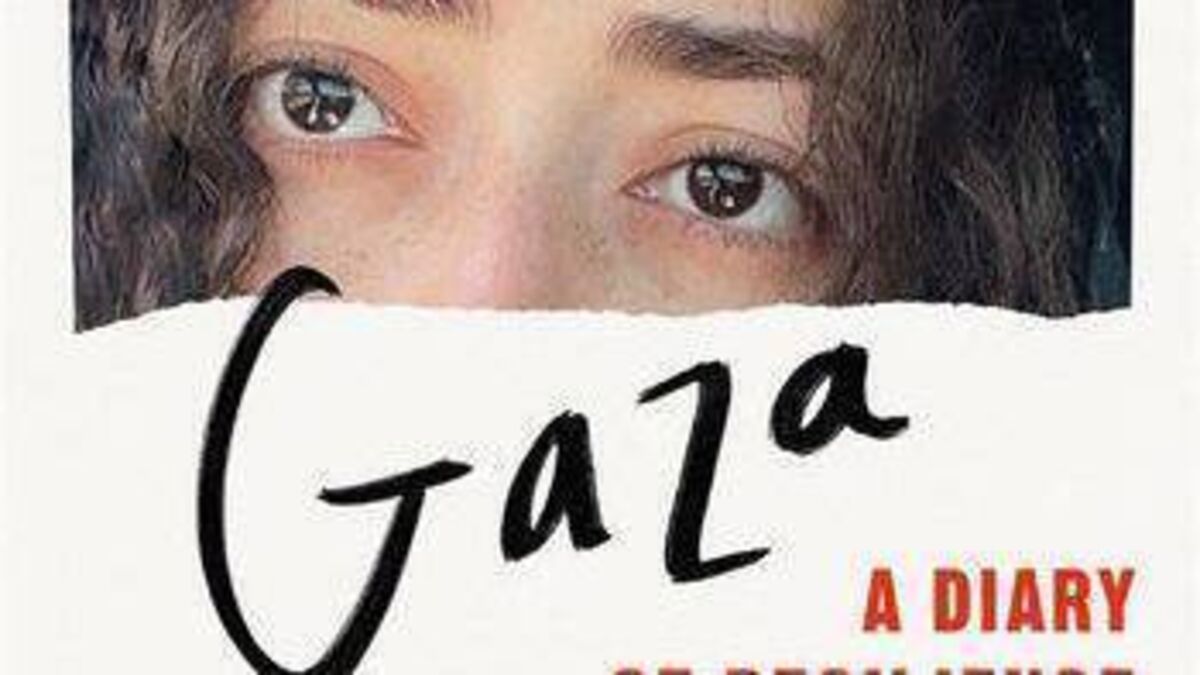
You can buy The Eyes of Gaza for €11.99 in The Book Centre.
On October 7, 2023, and in the days and weeks that followed, I couldn’t take my eyes off the news. I was studying post-colonial literature and race studies in university and could see history repeating itself more violently and brutally than I ever could have imagined. My friends and I attended protests every Saturday morning, and I am proud to say, I camped in Trinity alongside my fellow students, demanding our university divest from Israeli companies.
None of this ever felt like enough, and the more videos I watched of children with no limbs, of young men begging people from the West to try to help them get food for their families and entire neighbourhoods reduced to rubble, the more hopeless I felt. Eventually, I had to delete Instagram.
What a privilege to be able to delete the presence of suffering on your iPhone and continue as if none of it is happening.
Even without Instagram, the ongoing genocide has been impossible to ignore. The idea of buying a Starbucks, McDonald's, or Esteé Lauder product – all things I used to enjoy – is now unthinkable to me. As a journalist, I try to cover as many of the Palestine solidarity events that happen across Waterford. Most importantly, I make a conscious effort to centre Palestinian voices and perspectives when reading about the genocide.
Of course, these voices can be hard to find because the Israeli Military is actively targeting journalists to try and stop the truth from getting out. The Western media has also significantly reduced its coverage of the situation. Even here in Ireland, a so-called bastion of Palestinian solidarity, there are fewer protests and flags with every passing month. I worry we are losing interest at a time when all eyes need to be on Palestine – ensuring Israel does not get to maintain its image of being a democracy defending itself is one of the only things we in the West can do.
All these things were on my mind when I visited The Book Centre last weekend. I normally make a point of avoiding the shop because I know once I go in there, there’s no way I’ll be able to leave without buying something. Oh well, there are worse ways to spend your money.
I was delighted to see “The Eyes of Gaza” by Plestia Alaqad in pride of place on one of the stands right at the start of the shop, rather than buried in the non-fiction section as so many books about Palestine are. I know sometimes it's easy to ask yourself what’s the point in reading more, in bearing witness to these horrors, when nothing seems to be changing.
Alaqad has the answer. She writes, “When the sword is as mighty as Israel’s, then the pen becomes all the more important.”
The book opens with Alaqad recounting her life up until October 7, 2023. She enjoys going to cafes with her friends, she’s unsure of where to go to university and, on a whim, decides on Crete. When she returns to Gaza after college, she does a few internships but isn’t sure what she wants to do with her career. In other words, she is a typical 21-year-old.
All this changes when the bombs start to fall, and due to her connection with Press House Palestine, she is asked to speak about what’s happening on the ground in Gaza. From there, her life starts to spiral. Suddenly, she finds herself thrust into the role as the “eyes of Gaza” for the international press. For the next 40 days, she travels across Gaza with a cameraman interviewing doctors, displaced people, child amputees and bread bakers, to name a few. Each evening, she writes about the horrific things she’s seen. It is excerpts from this diary that make up the bulk of the book, as well as poems and some overall narrative explaining here and there.
As the book progresses, the stories told to Alaqad by the everyday citizens of Gaza become more bleak. Gaza is starting to run out of food, the hospitals are becoming overwhelmed, and a cold winter is setting in. Yet just when the desperate situation seems finally about to break her, a child gives her some sweets, or a doctor gives her a reassuring smile. She is constantly in awe of her fellow Gazans and frequently refers to the 2.1 million residents as “one big family”. This humanity, community and resilience are often missing from narratives about Palestinians, who are usually presented as faceless victims.
As Alaqad writes, “It would seem that the eyes and ears of the world aren’t interested in Palestinian life, only in Palestinian death.” It further reinforces the point that we should be listening to Palestinians, rather than reading about them.