Catherine Drea: Seize the day
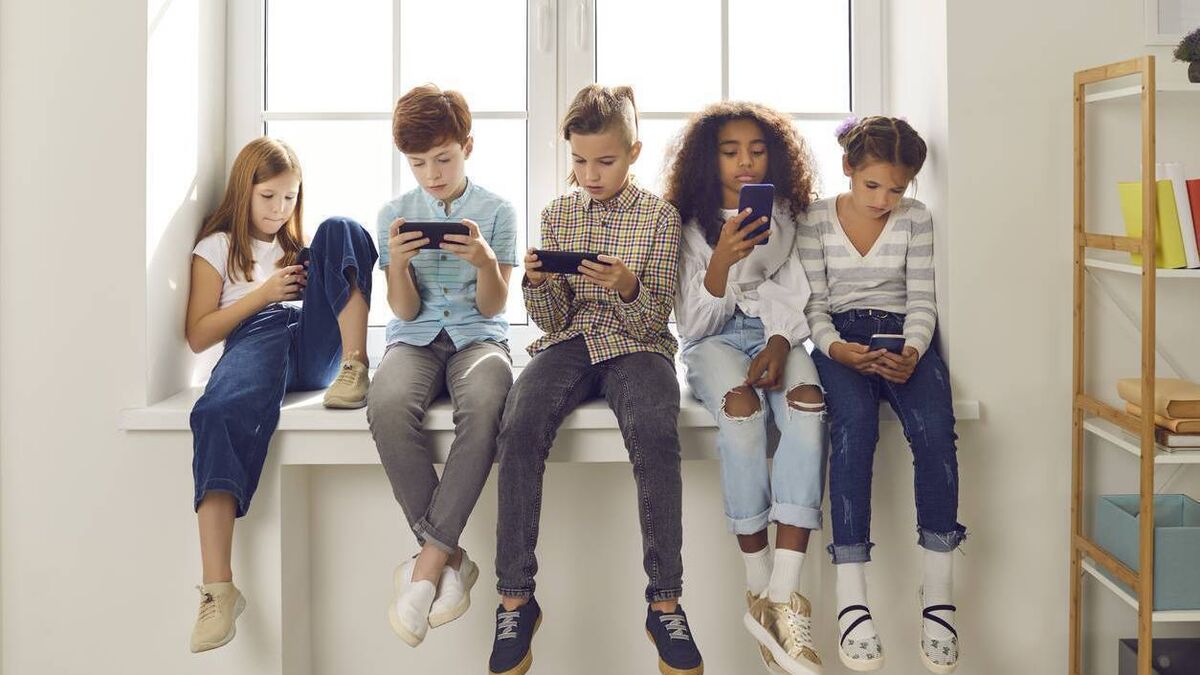
The Scandinavian countries, who are usually ahead of the game, have already begun to roll back on technology for children.
It’s lunchtime in a cafe on the Quay. I’m eating alone but surrounded by people. A table of four next to me are chatting.
I notice that I can hear their conversation above the cafe din and as I look around I realise that it’s because everyone else is on their phone.
In classic pose, heads down, this is the scene that I see wherever I am these days.
There’s even a toddler here in a buggy scrolling on an iPad while his parents have their lunch. I was fascinated to see them set him up with some children's programmes. There isn’t a peep out of the child for at least an hour. Great preparation for spending 9-10 hours a day on screens as GenZ are reputed to do.
In no time I join in, take out my own phone and start scrolling. Today it’s all politics, rain, films and another school shooting. Just like everyone else, whenever I am alone in a cafe or on the train a phone is my constant companion.
On the plus side, a phone is a wonderful companion! If, as a child, I could have dreamt up a yoke to keep in my pocket that would churn out books, films, audio, music, news, chats, images, puzzles and at the same time function as a high-quality camera, then this would have been it. Never mind that I am always in contact with friends and family, or that I can call them anytime to talk!
I’m owning up here to loving my phone as much as anyone else. But the problem is, we will probably never go back to the days of quietly staring into space, waiting patiently to be called for an appointment, travelling from A to B without Google Maps or sitting quietly on a bus just looking out the window.
So is there even any point in asking if all this digital engrossment is good or bad for us? It’s both, I suppose?
Or so I thought until I started to read about the negative impact these devices have had on the social fabric of young people and the effect on declining intelligence.
There is a measurement of intelligence across generations called the Flynn Effect. What the research shows is that every new generation improves intellectually on the previous one. This was always the case, but unfortunately for the first time researchers are finding that intelligence is suddenly on the decline.
We are swamped in technology and everything is about to accelerate as Artificial Intelligence replaces many jobs and functions previously operated only by humans. It’s already started as thousands are laid off.
Just try engaging with one of the little Message and Help robots on most websites and you will discover that Darius from Vodafone isn’t a real person after all.
I doubt anyone in this cafe would have the least interest in giving up their phones. I know I would be lost without mine. There is also apparently a delicious shot of dopamine as we satiate our desire to settle down with our phones. This is the yummy feel-good hormone that rewards our brain in the same way drugs, sugar and winning on the horses do. No wonder our phones are so addictive.
However, the Scandinavian countries, who are usually ahead of the game, have already begun to roll back on technology for children.
They had thought that every child should have a laptop to train them for the inevitable digital future.
Laptop devices and tablets were given to all young children in school. Well, this innovative scheme backfired and now reading and writing skills have declined in a whole generation of children. The education authorities have gone back to more traditional learning methods and removed technology from everyday classrooms.
In the end it seems that the traditional “hand, eye, brain” connection is vital for learning and for human development; that handwriting lights up our creative brain more than using a keyboard, that making and building are better for our brains than doom scrolling, and real-life contact with humans is better for us than vegetating in front of screens.
A number of countries are introducing a ban on social media for under-16s. Basically the world is trying to reclaim the brains and mental health of the next generations. It’s probably too late. Children opening books for the first time are commonly known to attempt to scroll through the book as if each page is a screen. In other words, their advanced skills in understanding devices has limited their understanding of the written word. This happens now at a very young age.
Ireland is about to bring in legislation to ban under-16s from social media. But maybe we should go even further. We can’t turn back the clock but every way we encourage creative play, writing, reading, music, drawing, messing, is essential to preserving something.
While sitting in another cafe, miles away, up near the Arctic circle, I watched a group of toddlers from the local creche taking their daily walk in the snow. Wrapped up like little astronauts they happily trundled along in the pitch dark and minus temperatures. Every so often they stopped and examined something underfoot or up above, full of curiosity and delight.
So for a change I’m going to leave the phone at home, put on the raincoat and wellies, take a few toddlers by the hand and seize the day.