Are we being marched into a gunfight with a knife?
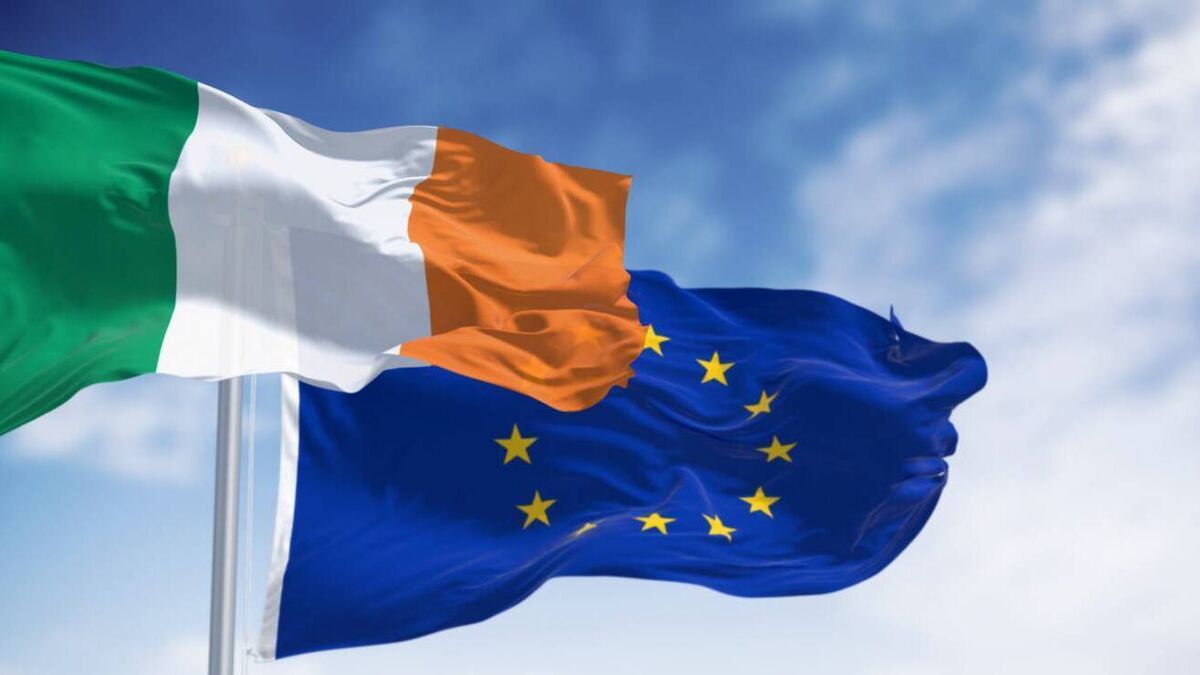
Ireland has long punched above its weight diplomatically. That reputation was earned through decades of carefully calibrated foreign policy.
Ireland holds the EU presidency at a moment of geopolitical instability not seen since the Union’s foundation. Wars abroad, shifting alliances, and our own adverse historical experience of conquest pose stark moral and strategic questions for Irish policymakers. The choices made now will shape not only Ireland’s security dynamic but may question the credibility of its long-standing neutrality posture.
Ireland has long punched above its weight diplomatically. That reputation was earned through decades of carefully calibrated foreign policy, assertive without being aggressive, principled without being reckless. Skilled diplomacy often involves saying two things at once or sometimes saying little at all. Critics may call this weak leadership, but in volatile times, prematurely choosing sides risks consequences that cannot be undone.
Ireland can support Ukraine without being drawn into broader military entanglement. There must remain space for states that reject arms transfers yet actively support humanitarian assistance and diplomatic resolution. Neutrality, properly understood, is not moral indifference; it is strategic restraint.
Yet today, Irish neutrality feels increasingly elastic. Red lines once clearly drawn are fading under the pressure of geopolitical crisis and uncertain political leadership. Too often, neutrality is proclaimed domestically while quietly diluted through EU policy alignment. This contradiction risks misleading the public and eroding trust. Difficult choices lie ahead, and they demand honesty not rhetoric. We must remain alert to sleight of hand from politicians more concerned by personal career ambitions than the national interest.
The recent announcement of a €1.7 billion defence spending package, the largest in the State’s history, was presented as a watershed moment. In truth, it barely scratches the surface. Ireland has consistently ranked last in EU defence spending, allocating roughly 0.24% of GDP in 2024 compared with an EU average of approximately 1.74%. Decades of underinvestment cannot be remedied with incremental increases; serious capability requires serious money.
This chronic underspending was politically convenient. Following the Lisbon Treaty referendums, clear assurances were given: no EU army, no conscription, and Irish troop deployments only with government approval and a UN mandate. These guarantees reinforced the Defence Forces’ humanitarian focus and justified limited military investment. But the strategic environment has changed and so too must the conversation.
The Government now faces a dilemma. Should defence investment come at the expense of long-promised infrastructure projects, or through EU-backed loans such as the €150 billion Security Action for Europe Instrument? Several member states have already drawn heavily on this fund. Loans may offer favourable terms, but they are rarely free of political consequence. Would deeper financial dependence invite future pressure to dilute Ireland’s independent security decision-making and, by extension, its neutrality?
There are further complications. How willing would the EU be to finance Irish military capabilities when deployment remains constrained by UN Security Council vetoes, including from Russia? Any move towards deeper integration with the EU’s Common Security and Defence Policy raises fundamental questions about where neutrality ends and alignment begins.
Finally, reports that the UK provides air-policing support for Ireland highlight the uncomfortable reality of existing capability gaps. While cost-effective, reliance on another state for core security functions carries obvious risks. In a crisis, how far would Britain go to defend Irish airspace and on whose terms?
Ireland’s neutrality cannot survive on ambiguity alone. If we continue to outsource core security functions, underfund our own defence, and quietly align with policies that contradict our stated position, then neutrality becomes little more than branding. A dangerous world demands clarity. Otherwise, Ireland risks discovering too late that it entered a geopolitical gunfight armed only with comforting language and a knife.