Waterford doctor emphasises importance of prevention ahead of cancer awareness month
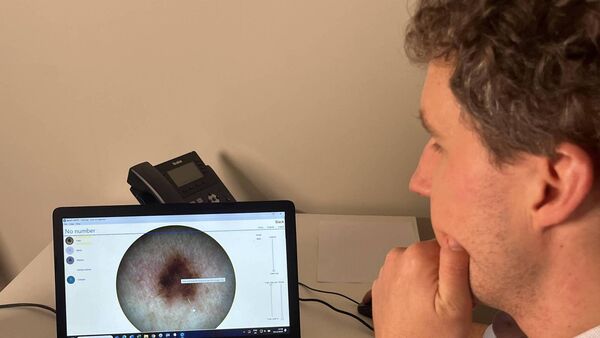
Dr David Brennan is urging people to look after their skin health.
A Waterford GP is urging the public to act early on skin health, ahead of Skin Cancer Awareness month in May.
SkinScan Ireland and Waterford-based GP Dr David Brennan are encouraging people across Ireland to take a more proactive approach to protecting their skin and recognising the early signs of skin cancer.
With incidence rates continuing to rise, early detection remains one of the most effective ways to ensure successful treatment outcomes.
Skin cancer is now the most common form of cancer in Ireland, yet it is also one of the most preventable.
Despite this, many cases are still diagnosed later than they should be, often because early warning signs are missed or ignored.
Dr Brennan emphasised the importance of building simple, consistent habits around skin awareness and sun protection, noting that small changes in behaviour can have a significant long-term impact.
Regular self-examination plays a central role in early detection.
Individuals are advised to become familiar with their own skin and to monitor for any new moles or lesions, as well as changes in existing ones.
Subtle shifts in size, shape, colour, or texture can be early indicators of concern.
Dr Brennan said people should not wait for symptoms such as pain or discomfort before seeking advice, as skin cancers can often develop silently.
Awareness of ultraviolet exposure is also critical, even in Ireland’s temperate climate. Harmful UV radiation can penetrate cloud cover and contribute to cumulative skin damage throughout the year.
Dr Brennan advised people to pay attention to the daily UV index and adopt protective measures when levels are moderate or high.
This includes the regular use of broad-spectrum sunscreen, wearing protective clothing, and seeking shade during peak daylight hours.
He also stressed that professional skin assessments are an important complement to self-checking.
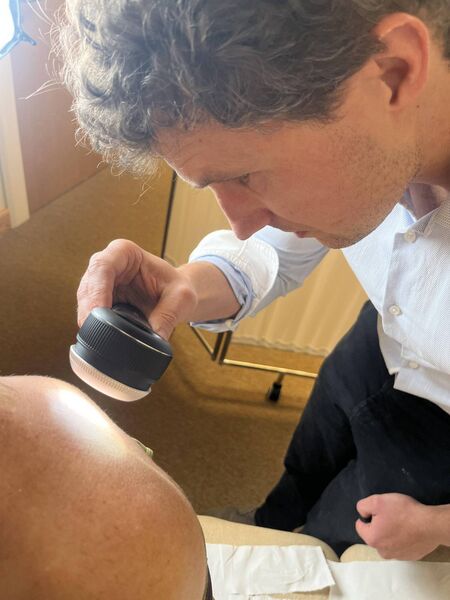
Advances in dermoscopy and digital mole mapping now allow for highly detailed examination of the skin, enabling clinicians to identify subtle changes that may not be visible to the untrained eye.
Services such as those offered by SkinScan provide patients with reassurance as well as early intervention where necessary.
The key actions Dr Brennan encouraged people to take include: Check your skin regularly and become familiar with what is normal for you; Take note of any new or changing moles or lesions and do not ignore them; Wear sunscreen daily and protect your skin when UV levels are elevated; Reduce UV exposure by seeking shade and wearing protective clothing; Seek professional advice promptly if you notice anything unusual.
“Skin cancer is one of the most common cancers we see in clinical practice, but there are some very straightforward habits that can help to reduce your risk," said Dr Brennan.
"Early diagnosis is extremely important as it can facilitate timely treatment and improve outcomes," he added.
He also said people often underestimate the significance of small changes in their skin or assume that Ireland’s climate reduces their risk, which is not the case.
"By checking your skin regularly, protecting yourself from UV exposure, and seeking professional advice when something changes, you are taking control of your long-term health," he said.
"These are simple steps, but they can make a life-saving difference.," he added.
Skin Cancer Awareness Month is a national prompt to reflect on personal health habits and SkinScan Ireland is encouraging people of all ages to make skin checks part of their routine and to prioritise prevention as much as treatment.
For more details, see skinscan.ie