Housing the Déise: Hiding in plain sight - derelict sites left to rot
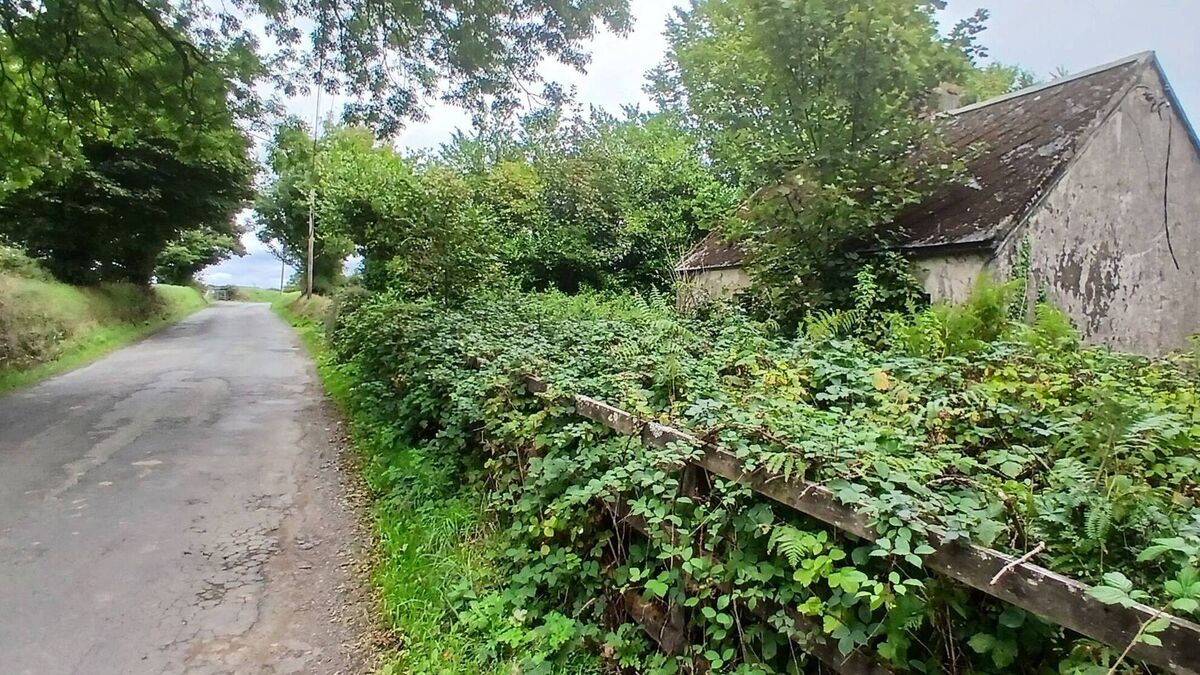
Waterford City and County Council has 300 properties classifiable as derelict.
There has been much speculation about the impact of a new Derelict Property Tax to be revealed in the government’s Budget 2027 next week, a belated drive to tackle dereliction, which is rife in many rural towns.
The goal is to incentivise owners to bring neglected properties back into use, and by doing so, to contribute to an increase in housing supply.
But is it too little, too late, because abandoned sites have long been a scourge and an eyesore in every town in Ireland for decades?
Lack of initiative by owners can be attributable to the absence of legal incentive to commit to any of the so called three ‘r’s’ in minding a property: refurbish, renovate or reactivate.
GeoDirectory data indicates approximately 20,000 derelict properties – not to be confused with vacant - scattered throughout the country, although the accuracy comes with a question mark because local authorities do list fewer properties as derelict. (Waterford City and County Council has 300 properties classifiable as derelict.)
20,000 derelict properties, in the long run, should account for the 17,500 homeless in Ireland, notwithstanding that the number of currently available vacant and habitable properties nationwide is 80,000.
(According to Focus Ireland, official figures for the homeless only record those in state emergency accommodation and not ‘own-door’ temporary accommodation, domestic violence refuges, asylum seekers, people who are sleeping rough, and the ‘hidden homeless’, staying with family.)
But the government, specifically the Department of Planning & Local Government, is flexing its muscles to get negligent landlords to tow the line.
For starters, the Derelict Sites Levy will be replaced by a Derelict Property Tax, which overnight should increase the number of derelict properties subject to annual charges. Hitherto, if a property was on a register, the local authority could impose an annual levy of 7% on its market value, but the suspicion remains that the levy underestimates the scale of the problem.
How best to enforce the proposed Derelict Property Tax? Simple, move responsibility for tax collection and administration to Revenue. But the Revenue has its work cut out, and not just with derelict sites. Latest figures show that taxes were paid for just 1,454 out of 80,000 vacant homes in 2025, a paltry two-per-cent.
With the announcement of Budget 2027 next Tuesday, it is expected that local authorities will prepare a national derelict property register, arising from which the tax – at a minimum rate of 7% - will become operational in late 2027.
There are obstacles to overcome. For example, what will be the ownership verification requirements in the transition from Derelict Sites Levy to Derelict Property Tax?
How will new valuation methodologies establish ownership verification and, finally, how can compliance be enforced in the absence of known exemptions and relief.
A site is classified as derelict if it:
Contains land or structures that are in a neglected or unsightly condition.
Contains dangerous or ruinous structures, Has accumulated a lot of waste due to the neglected nature of the site, including illegal dumping Come what may, the government is confident that its new approach, from carrot to stick with the back-up of Revenue, will incentivise owners to put their property into productive use.
Also, because of its central role, Revenue too will be anxious to recoup the €26 million in Derelict Sites Levies (€181,736 in Waterford) believed to be currently outstanding across Ireland.
But more carrot than stick is the relative success of the Vacant Property Refurbishment Grant, which provides up to €70,000 to bring derelict properties back into long term use: over 15,600 applications have been made to local authorities, with €230 million of grant funding paid out.
Buoyed by its success, the government is planning a support package of up to €140,000 to bring vacant ‘above shop’ property into use as homes. Will the more carrot than stick approach work? Only time will tell.