Woman died due to 'medical misadventure' at UHW
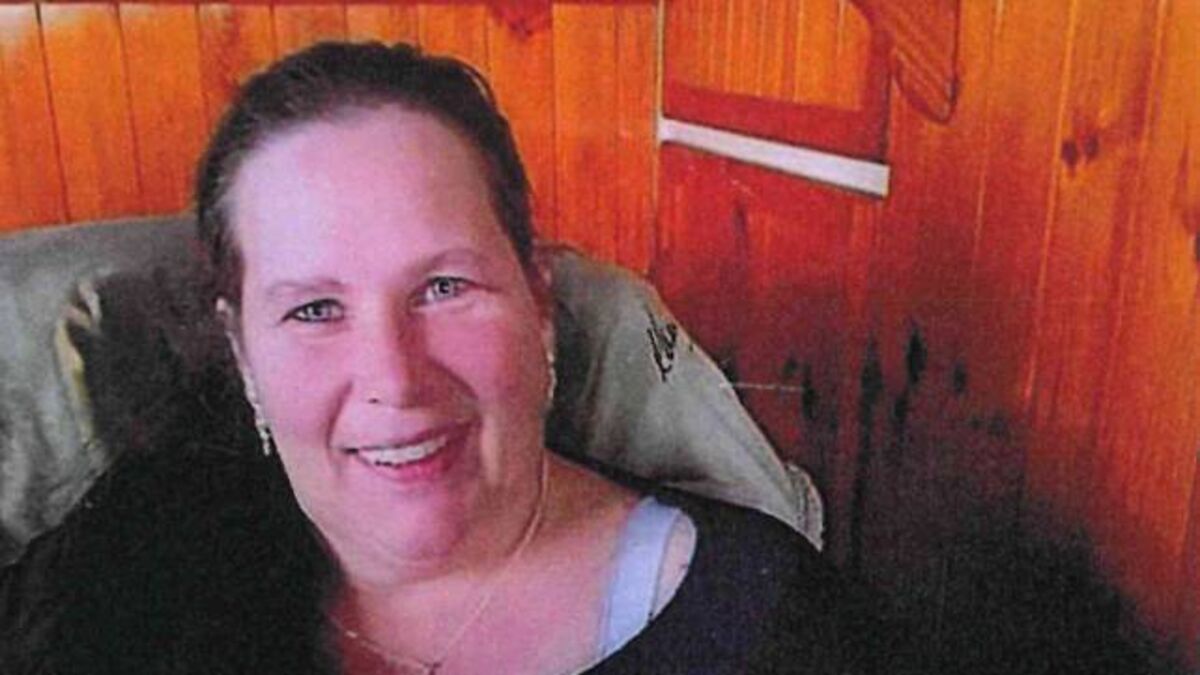
Esther 'Essie' Flynn (1968-2022). Photo provided by the Flynn family.
A 54-year-old Wexford woman died due to 'medical misadventure' while a patient at University Hospital Waterford (UHW) in May 2022.
Esther ‘Essie’ Flynn died due to an intracerebral haemorrhage after being prescribed the incorrect dose of anticoagulants, or blood-thinning medicines.
Coroner Joe Kelly presided over the inquest into Ms. Flynn’s death at Waterford Courthouse on Monday, November 16.
Ms. Flynn’s family attended the inquest and were represented by solicitor John Whelan of Whelan Law Solicitors, Cashel, and Senior Council John Gordon.
While legal counsel for UHW shared their condolences towards the family, they did not give an apology.
The inquest heard evidence from four witnesses. Consultant Pathologist at UHW Dr Mutaz Nur recorded the cause of death as "intracerebral haemorrhage with complications of anticoagulants".
Esther was admitted to UHW in late April 2022 following a seizure and face drop. She was discharged on May 16, but was readmitted two days later as her condition worsened. Medical investigations revealed she had lymphoma.
Doctors were concerned that she was at risk of a pulmonary embolism and had suffered from deep-vein thrombosis in the past.
The inquest heard that Esther was not weighed before being placed on the blood thinners. When asked why she wasn't weighed, Dr. Ruth O'Riordan said Ms. Flynn was very ill at the time and would require the use of a hoist weighing scales, which "can be quite scary for patients".
Haematologist Dr. Will Thomas said a test taken on May 22 showed the patient's platelet level as "normal". He confirmed that the prescription of anticoagulants can run the risk of bleeding.
On May 24, Esther was put on 100mg of clexane, to be taken twice daily. The prescription was based on a "guestimate" of her weight.
Her condition deteriorated further and she died on May 26.
Emergency medical consultant Michael Saab testified that Ms. Flynn "should have received a prophylactic treatment" of anticoagulant instead of the "therapeutic" treatment she did receive.
Mr. Gordon made four recommendations to Mr. Kelly to ensure better treatment of patients, including more comprehensive contemporaneous notes, open disclosure for the families of patients and to ensure the adherence to risk assessment protocol in every hospital within the State.
The family said they "should never have had to endure such a lengthy, costly and distressing process to establish what happened to Esther and determine the circumstances surrounding her death".
They called for a formal apology to be made by the Minister for Health and the HSE for failings in care.
They stated: "While recommendations, including the need for a Risk Assessment to be carried out on Esther’s re-admission to University Hospital Waterford, have been made following the inquest, the family remains concerned about whether these will be implemented. It is not enough to make recommendations at individual request. There must be accountability, action and meaningful change. Families deserve answers, patients deserve safe care, and lessons must be learned.
"Over the past two years alone, there have been at least 17 other cases in which bereaved families have made the same pleas. We don’t want this to happen to another family.
"On behalf of the family, we have made submissions to the Minister for Justice calling for reform of the outdated Coroners Act 1962 to bring it in line with the requirements of a modern inquest system.
"In June of last year, the Minister for Health, while publicly apologising to another patient, specifically referenced the lack of open disclosure in that patient's case, and indicated that patients need timely open disclosure and resolution to their cases rather than the added stress of the court process. We call on the Minister to renew that commitment and to further commit to the full future implementation of the Patient Safety Act.
"We are also seeking an explanation as to why a system analysis review was not carried out in this case, calling for an inquiry with meaningful family input."