Green Fingers: Be adaptable and willing to change
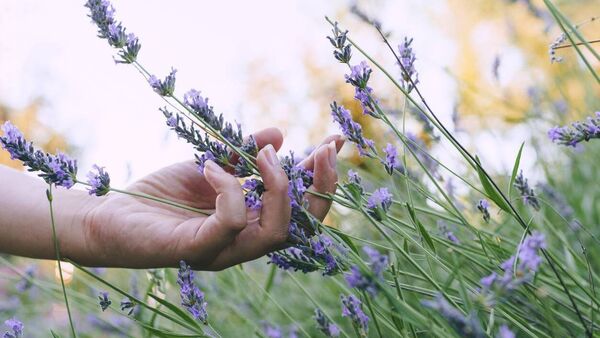
English lavender, Lavandula angustifolia, loves it here and is much tougher, as is the Dutch species Lavandula vera.
We are constantly reminded that nature is in control and this year is no different. While there were very few bad frosts there was definitely a constant chill once the sun went down and, therefore, this made it difficult for young tender plants to survive before they had hardened off.
Normally, around coastal counties we have the last possible cold spell around the first week of May, after which we can usually plant out our bedding and patio plants, including the more tender vegetables.
This year, it came two weeks later and was more severe as there were periods of harsh weather, which set plants back, and that included a few salt-laden winds that damaged otherwise hardy seaside shrubs.
Established trees and shrubs in most cases recover but freshly planted ones might need coaxing with a weak liquid feed and some shelter netting to help them rebound.
With climate change creeping up on us we might be tempted to change to more Mediterranean plants and, if travel becomes more difficult or troublesome, we can create some exotic plantings in our own garden using species from hotter regions.
Lavenders spring to mind immediately and that might include the French variety Lavandula stoechas, which has “bumble-bee” like flowers and is very aromatic, but we do not recommend it as it does not like our wetter conditions and is short-lived.
The English type Lavandula angustifolia, on the other hand, loves it here and is much tougher, as is the Dutch species Lavandula vera.
Cultivated varieties of the English and Dutch lavenders are commonly available and all lavenders are best planted from the spring until the end of August to give them time to establish before the winter.
Nothing sets off the exotic or tropical look better than some palm trees and a number do quite well here given suitable conditions. The well-known and fast-growing “Cabbage Palm”, Cordyline australis, is the most common type seen almost everywhere and next in hardiness but much slower growing is the “Windmill Palm”, called Trachycarpus fortunei, which can be seen in many gardens already. A dwarfer type would be the “European Fan Palm”, Chamaerops humilis, which will suit most coastal county gardens.
For those adventurous enough and willing to take a slight risk the following palms might be considered and both these are hardy to around 5 degrees below freezing. They are the “Canary Island Date Palm”, Phoenix canariensis, which can be seen in a few sheltered gardens and has large majestic leaves, and, lastly, the “Mexican Fan Palm”, Washintonia robusta. “Tree Ferns”, such as Dicksonia antarctica, are also exotic looking but they are tricky to grow and often fail so we do not recommend them.
Conditions are good for diseases to show themselves, which includes blight on potatoes, but you can in most years avoid this and if it appears just cut the foliage down to around ground level and leave the tubers safely in the ground and dig them as required for eating.
If you have any queries or comments you are welcome to share them with me on 051-384273 or orchardstowngardencentre@hotmail.com and if of general interest I will include them in a future article.