Irish farms facing nitrogen fertiliser shortages as conflict in Middle East continues, expert says
Irish farmers are facing rising fertiliser costs and potential supply side shortages following the escalating conflict in the Middle East, according to a grassland expert.
Dr Patrick Cashman, of Cork-based agri-company Goldcrop, has warned that Irish farms face fertiliser shortages as the conflict continues.
Ireland's dependence on imported fertiliser leaves farmers exposed to global conflicts and geopolitical instability, and Dr Cashman has said that farm costs will rise and the rural economy in Ireland will face consequences.
The closure of the Strait of Hormuz, a critical global shipping route, continues to impact fertiliser shipments from major producers including Iran, Qatar, and Saudi Arabia.
These countries together account for an estimated 20 per cent of traded global nitrogen fertiliser, plus additional LNG exports that can be used for nitrogen production, according to Dr Cashman.
Nitrogen fertiliser is a cornerstone of Irish agriculture, he said, and is widely used to drive high-yield grass growth for grazing livestock and to support tillage crops.
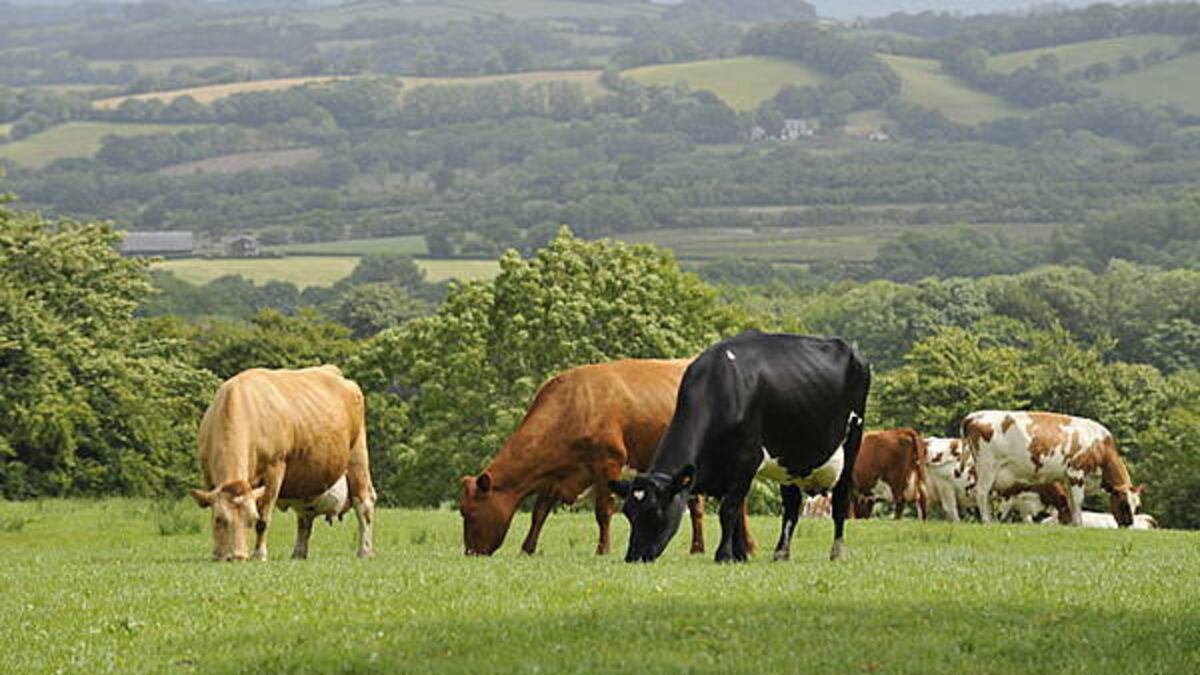
Every spring, Irish dairy farmers apply significant amounts of nitrogen to stimulate grass growth as herds return to pasture after winter housing.
Dr Cashman has said the situation highlights the vulnerability of Ireland's heavy reliance on imported fertilisers like nitrogen.
“The war in Iran is a clear supply-side risk for Irish agriculture,” he said. “Any disruption to global fertiliser flows will quickly feed through to higher costs for farmers, putting additional pressure on already tight margins.”
Reliance on nitrogen fertilisers
Dr Cashman has encouraged the Department of Agriculture to reinforce its messaging through a national campaign that highlights how clover-rich grass swards can help farmers ease their reliance on nitrogen fertilisers.
“Clover is one of the most practical and environmentally sustainable tools Irish farmers have available,” he said.
“When integrated into perennial ryegrass swards, it naturally fixes nitrogen in the soil, improves grass growth and can increase animal production — all while reducing the need for expensive synthetic fertiliser.”
Beyond the Middle East, Dr Cashman noted that Russia accounts for roughly 20 per cent of the global fertiliser trade, highlighting a growing geopolitical risk facing Irish agriculture.
“We cannot have a farming system that is dependent on inputs coming from volatile regions of the world,” he said. “When supply chains are disrupted, the cost ultimately works its way through the food chain, increasing farmers' cost base and onto supermarket shelves.”
According to Dr Cashman, farmers are increasingly looking for practical ways to protect profitability.
“At the end of the day, farmers want healthier livestock, strong grass growth and a viable profit. Innovative clover seed varieties are helping to deliver exactly that.”
The issue becomes all the more relevant as the EU has introduced new carbon border taxes on imported fertilisers, he said, a tariff that some have called for to be suspended until the situation in the Middle East is resolved.