Inquest into death of rally driver recommends better air ambulance access and phone coverage
Olivia Kelleher
A Coroner who earlier this month heard the inquest into the death of a young rally driver whose car flipped into a flooded stream at the Killarney Forestry Rally in Co Kerry in 2022 has made 16 recommendations.
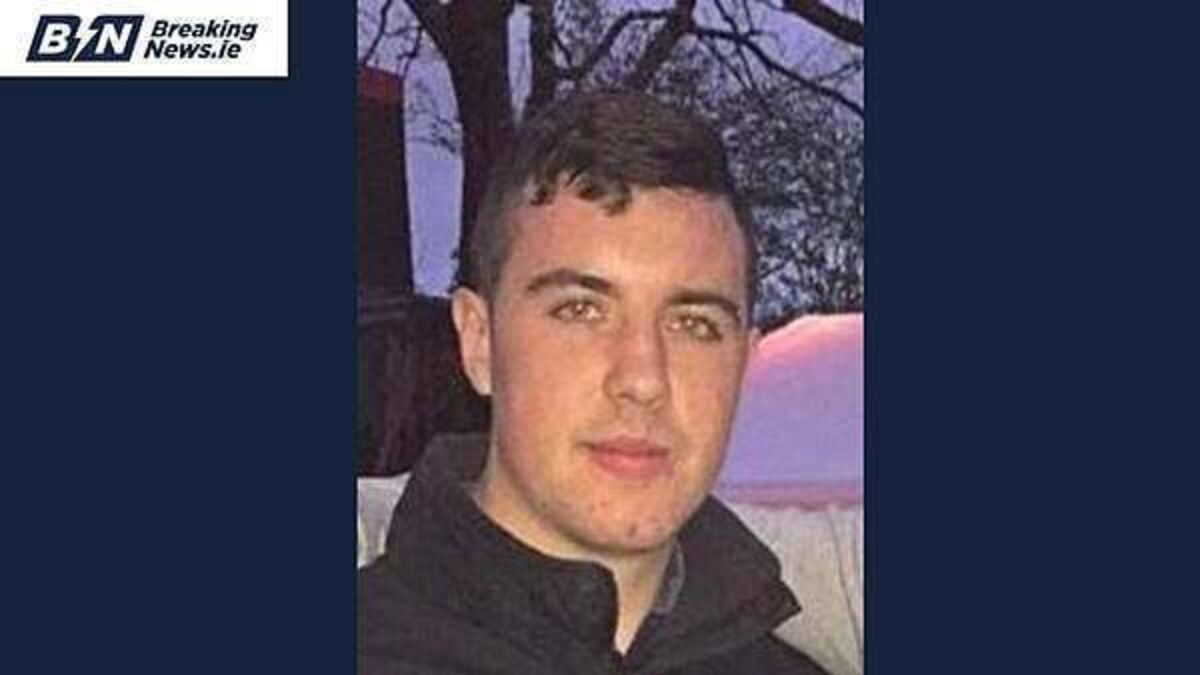
Eoin McCarthy (22) of Dunmanway in Co Cork died after his car slid off the track at an unrailed bridge in Castleisland on February 20th, 2022. He was trapped underwater in the car without oxygen for a period of about five minutes.
The evidence at the inquest was that the event took place amid heavy rain and wind two days after a status red weather warning.
One rescuer had to run up the road to gain phone reception as there was no mobile coverage at the stage of the rally where the crash occurred.
The first SOS alert was received in the rally control room at 2.06pm on February 20th, 2022. It was sent from the car driven by McCarthy.
Other drivers who came upon the crash then hit their alert buttons. However, it took five minutes from when the first SOS was received to when the emergency services were deployed.
Meanwhile, Motorsports Ireland had not assigned a designated area in which the air ambulance should land in the event of an emergency at the rally.
When the accident happened the air ambulance initially went to Mountcollins in Co Limerick but found itself unable to land.
The landing site was then changed to Brosna, Co Kerry. The air ambulance ultimately ended up landing in an area quite close to the accident site.
A witness who was volunteering for Motor Sport Ireland (MSI) said that when they arrived at Mountcollins with the casualty on board an ambulance they were informed that the casualty had landed in a different area. The change had not been communicated to them.
When the inquest ended Cork City Coroner Philip Comyn said he would take some time to consider submissions in the case.
He has now recommended that sites for air ambulances be agreed in advance with the service supplier and that this be included in all rally safety statement.
He also recommended that there be a “clear protocol or written guideline setting out the role and duties of all those involved in the organisation and running of a rally, whether it be a forest rally or a rally on tarmac.”
Another recommendation is that the finalised safety statement should be furnished to all officials involved in the organisation and running of the rally.
The statement is to specifically record all rally stage locations where there is no mobile phone coverage and the steps taken to ameliorate the situation.
Other recommendations include the recording of locations of particular concern and all steps taken to lessen risks, a clear definition of roles in the chain of command in the control room, a clear policy on who takes over the investigation in the event of a serious incident, and the appointment of a family liaison officer.
Other recommendations relate to training and making clubs aware of financial and psychological supports following a serious incident.
A number of submissions were made at the inquest by Derek Ryan, the barrister representing the McCarthy family. He said that “foreseeable risks” had not been identified by MSI prior to the rally.
Defence barrister Beibhinn Murphy representing MSI said that a number of the recommendations suggested by Ryan had already been implemented following the tragedy.
She also gave an account of significant advances in tracking which have occurred in the years following the tragedy.
McCarthy died of a global brain injury due to an out-of-hospital cardiac arrest after he was submerged in water in a suspended state. A verdict of accidental death was recorded in the case.