This retelling of Aztec history will lead you down some random Wikipedia pages
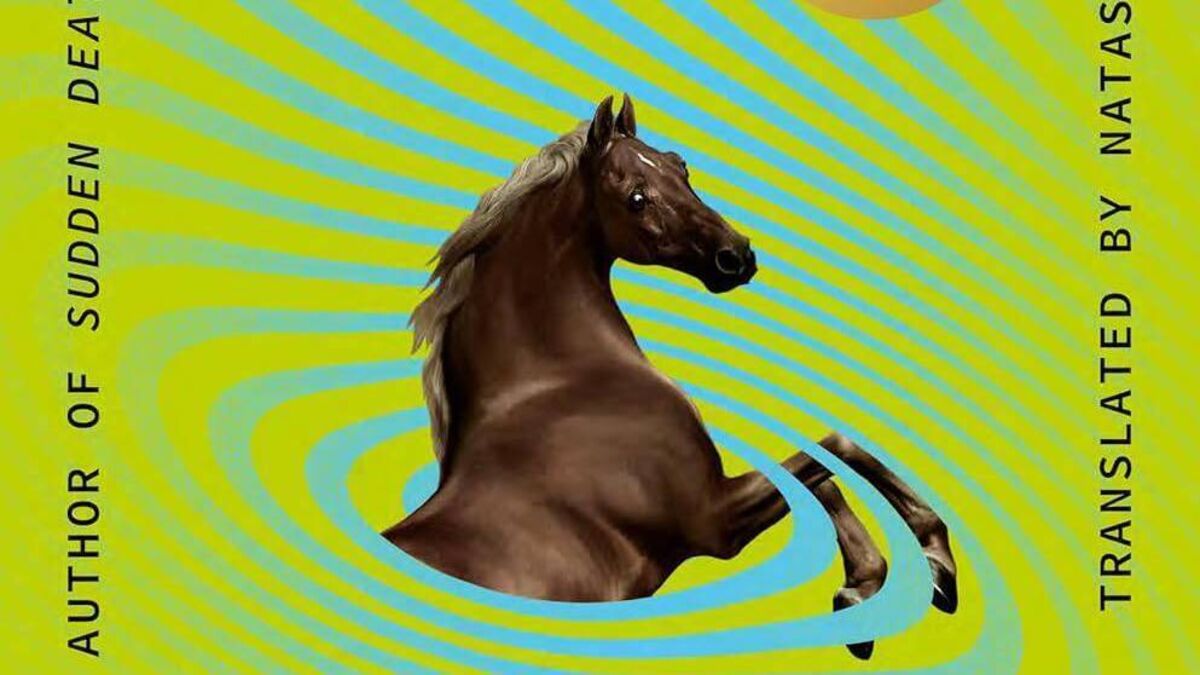
You can pick up a copy of 'You Dreamed of Empires' in The Book Centre or the library.
Okay, so I know someone who, upon seeing that a book has a map on the first page, will refuse to read it. I have an addition to this rule – if there is a list of characters and who they are in relation to one another at the start of the book, I can fairly accurately predict the book is going to be too complicated for me.
There are not one but two prefixes to ‘You Dreamed of Empires’ by Álvaro Enrigue and neither of them were a map (although one would have been useful actually). The first thing you read when you open the book is an email from Enrigue to his translator Natasha Wimmer. It's basically a ‘this looks crazy but I promise it's not as bad as you think’ email that we’ve all gotten from our erratic coworker.
The problem with translating this book is some of the words are literally untranslatable, for example, ‘calpulli’ are kind of like neighbourhoods but they’re also islands and are also related to a specific craft. Other words are translatable but then the meaning becomes lost, for example, the Tenochca called horses ‘cuyahoes’.
'What the hell are you talking about?' I’m sure you’re asking. Well, the main idea that Enrigue explores in this book is how most of history has really just depended on chance. He imagines what it was like the first time the Spanish ever came to Mexico city (Tenoxtitlan as it's referred to in the book). It's set over the course of two days in the year 1519.
The Spanish conquistadores think they have come to conquer the Aztec empire, but they quickly realise their lives depend on the whims of the depressed and ruthless emperor Moctezuma. This book isn’t a ‘great men’ book. In fact, we learn far more about the diplomats, translators, women and priests in the story than we do about the emperor and conquistador. Each has their own fear of the emperor deciding, on a whim, to sacrifice them, and this does happen several times. Meanwhile, a war rages on in other cities across the empire, and Moctezuma is in danger of losing everything.
Yes, the book is complicated. Full of unrecognisable words describing a political system entirely unfamiliar to a Western audience. But Enrigue rewards all of our hard work of trying to figure out what exactly is going on by giving us lots of nasty images to keep our interest piqued.
People cut their toenails with daggers, the smell and sight of poop is a constant (“These are days of blood and shit”, one of the characters observes), and plenty of people are sacrificed in numerous grotesque ways.
I think the book is purposefully opaque and confusing because everyone in the book is high on magic mushrooms and very confused about what's happening. The Spanish spend pages upon pages trying to navigate their way around the castle, becoming more and more panicked the deeper into the maze they go. Tlilpotonqui is the mayor of Tenoxtitlan and spends hours listening to an old councillor known as 'He Who Looses the Rain of Words and Governs the Songs Lest We Be Like the Flowers and Bees That Last But a Few Days' recite a long poem about an ant.
The story is told through the eyes of both the Spanish conquistadores and the Tenochca (Aztecs), which means we learn about the Aztec culture through the eyes of newcomers – the way their city is built on water, how chocolate is used in sweet and savoury foods, and how they dress. But we also see a culture most of us are familiar with through the eyes of this ancient civilisation – one of the themes running through the book is how amazed the Tenochca are by horses. They think of them as tame deer and only let the Spanish in to their city so they can get a better look.
This also means that there are many scenes of great awe and wonderment. Caldera, general of the Spanish soldiers, sneaks out into the city one day and is astounded by its beauty and acceptance of death. The Empress, Atotoxtli, befriends the translator and former princess Malintzin, and they gaze at the horses, unable to believe how majestic and intelligent they are. The sacred and profane exist side by side in this novel in the most human way possible.
I didn’t buy this book with me in mind but ended up reading it anyway and I’m glad I did. A lot of it went over my head but it was a fascinating insight into a culture I don’t know anything about and isn’t really talked about, certainly in Europe, (who much prefer to forget that the whole colonising thing ever happened). It’s a little book that packs a punch and I can guarantee you it will lead you down some Wikipedia rabbit holes.