Catherine Drea: What should we do if...?
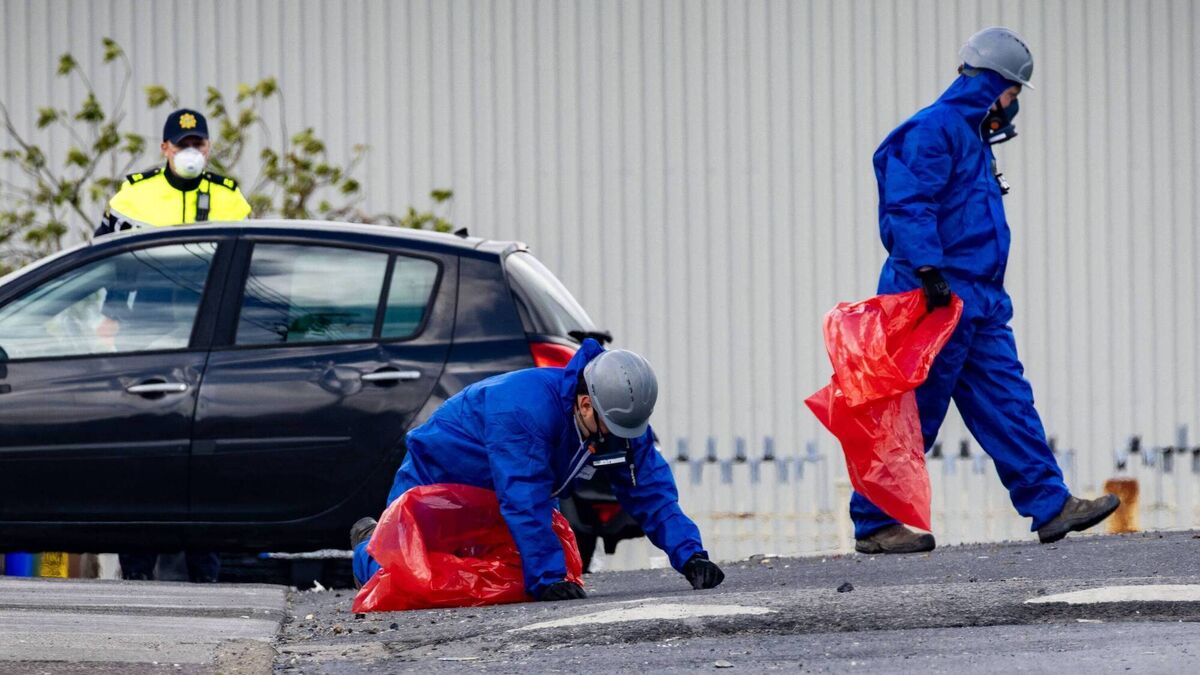
The clean-up of streets surrounding the old Jute Factory. Photo: Joe Evans
My heart goes out to everyone impacted by the Tycor fire. This disaster has brought trauma to so many hard-working people and their neighbours, and it is going to take a long time to come to terms with the damage caused on every level.
Besides the obvious human suffering and loss, it’s important to remember that accidents happen and how we respond to them is crucial. In fairness, there has been an incredible response all round so hopefully people will soon be able to move on with their lives.
But I am left with many questions about how we prepare and respond to emergencies like this and what we can learn for the future. Fires are only one example of the many emergencies that could happen at any time. More than anything I am left wondering if we have any national or local protocols for some of the awful things that could happen in this mad, modern world? If we have, could they please be made available and public so that we all know what to expect and what the right thing to do is!
In case you are wondering about what I mean by possible disaster, here are a few examples.
Obviously the most common would be natural disasters, like floods, wildfires and storms. In Enniscorthy flooded locals were told that it would take 10 years to develop an adequate flood warning system. Meanwhile, an App developer has done it in a matter of months! Great, but surely not the required national response?
Manmade hazards are akin to what we have just experienced; chemical leaks, oil spills, infrastructure breakdowns. Maybe a similar fire in the Industrial Estate or in a derelict building? I was reading about another EU city when a house burned down and asbestos was discovered in the partitions. This led to the evacuation of 38 homes for almost a year!
We are now very familiar with public health emergencies but with hantavirus and a serious Ebola outbreak in Nigeria, we are still vulnerable to more pandemics. Then there are cyber security attacks like the one the HSE suffered a few years ago. What if the power infrastructure or the communications networks were attacked?
What about terror attacks, nuclear accidents or warfare? We are still close to many nuclear power stations along the west coast of the UK. There are wars in Europe and the Middle East. All of these scenarios require clear plans and protocols for how we respond, nationally, locally or in our own homes, if for some reason we got caught up in some fallout.
The minute I heard about the fire, I yet again wondered about the public role in responding to such a dangerous and impactful event. My mind was racing that weekend, waiting for a strong warning of some kind. I’m the kind of granny who predicts the child falling off the wall and runs to catch them before anyone else has even seen the danger! I have my cupboards stocked with a “just in case” supply of food and a gas stove to make a cup of tea for when the electricity goes off. Why? Well I’ve been there in the past so I have no illusions…
I’m no expert but because of a lifetime of experience I’m very tuned in to health and safety. Since the fire, I went down a few rabbit holes checking in on what the response would be in another European city like Waterford. This is what I learned.
First of all, many other cities and EU countries have citizen emergency plans in place. Yes, detailed and PUBLIC plans! Citizens can do a lot to engage in an emergency response and can cooperate to prevent harm. Local people in these countries are well aware of the plans and are supported to prepare by understanding the basic immediate actions to be taken in various scenarios. Most have access to wind-up radios so that they can tune into the special government station for emergency alerts, or know where the safe buildings are and who is the local link person.
Communication and speedy action are essential so some countries have street alarms and obviously the further you cross into eastern Europe, the more fears there are about invasions, so there are even more detailed instructions there. But universally, it seems that emergency plans initiate a serious alert first and foremost and then get the accurate information needed afterwards.
In the event of a toxic fire, until full information is available citizens are usually required to go home, tape up doors, windows and vents, stay put and tune into the emergency channels. Water and food supplies are the norm for citizens to stock up on to last at least a three-day period. Where my sister lives, there are regular drills, a phone alert arrives followed by the street alarms.
There’s a lot we can do ourselves but it is vital that systems are in place at national level. Who is responsible for making a plan and communicating it to us all? While some of us are ready and waiting for action, others are worried and anxious about what to do if…I know so many local people around Waterford who were confused about the messages they were getting; the boundaries of the danger, the possible future health effects, the contaminated debris.
Being prepared and ready in advance is really the best solution.