Waterford Gardaí offer advice to combat vehicle-related thefts
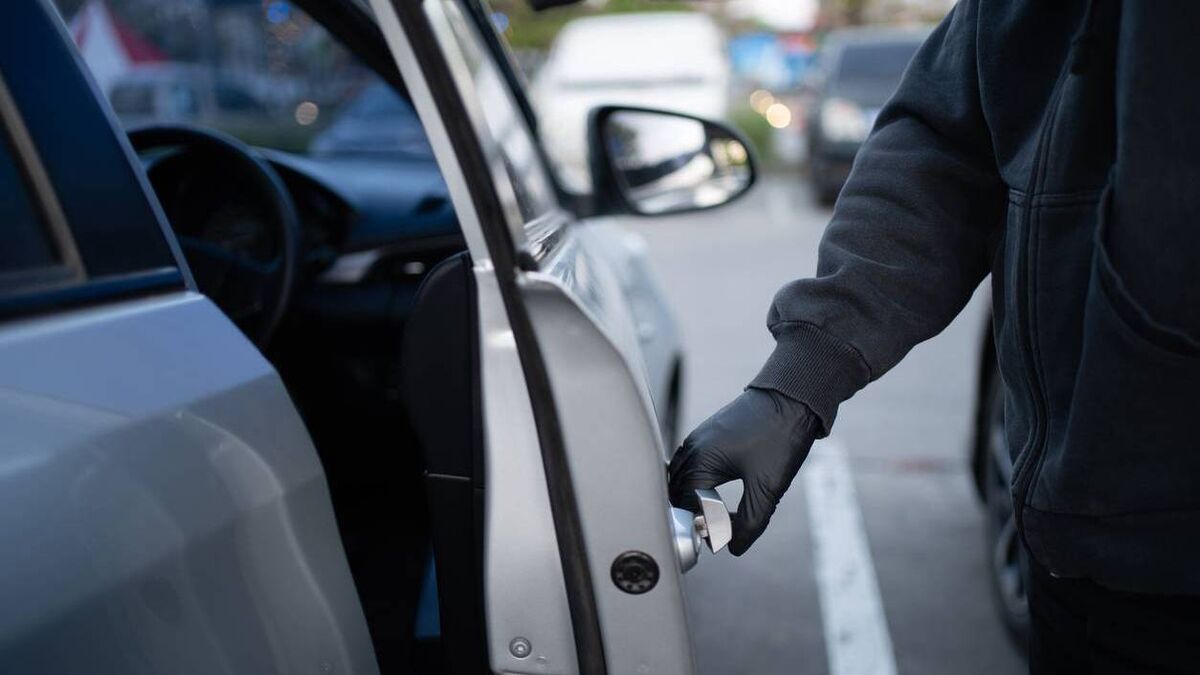
The Gardaí in Waterford offered advice relating to vehicle-related theft prevention. Stock image.
The Gardaí in Waterford have offered advice to vehicle owners in an attempt to combat a rise in thefts from vehicles across the city and county.
While it might seem obvious one of the first pieces of advice is to ensure your vehicles are locked and that you don't leave valuables in the vehicles overnight.
"Report any attempts if video doorbell alerts are received,|" said a Garda spokesperson.
"This type of crime is on the increase across the city and county," she added.
The Gardaí encourage people to report any suspected crimes by phoning 999/112 or their local Garda Station.
This weeks crime prevention advice is in relation to vehicle safety," said the spokesperson.
"There has been a rise in vehicle thefts and thefts from vehicles so far this year in comparison to the same time last year," she added.
The hours between 11pm and 4am are the most common hours for incidents to occur with Tuesdays and Saturdays being the most common days.
The spokesperson said that the majority of incident (over 60 per cent) occur between the hours of 6pm and 5am.
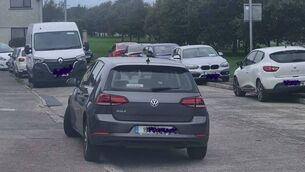
Significantly, Ford Fiesta's are the most commonly stolen vehicles while VW Golfs and Ford Focuses are also popular targets to steal, for car thieves.
"So you shouldn’t consider any model safe from car thieves," said the Garda.
"What has changed about car theft over the years, is the method in which thieves gain access to your car," she added, before commenting: "Long gone are the days where a crow bar and brute force were the tools of choice, now a car thief can access to your vehicle without even touching it."
There are a number of keyless car theft methods including: Relay theft: This involves targeting cars parked near the owners home. Two devices – a relay transmitter and an amplifier - are used in tandem to trick the car into thinking the key is closer than it is, which means the car can be unlocked, started and then driven away; Car key code grabbing: In this scenario criminals wait for an opportunity, usually in public parking areas, to capture a key code using an electronic tool as the owner locks their vehicle. The code is then downloaded onto a blank key and used to steal the car.
Since 1998, immobilisers have been installed in all new vehicles for sale in the EU. Immobilisers work by restricting an essential component part of the engine unless the correct key is used to try and start the vehicle. They are very effective in reducing vehicle theft.
If you have a vehicle without an immobiliser, you should consider having one retrofitted.
"Many immobilisers now work in conjunction with an alarm," said the Garda. "Therefore, if an attempt is made to steal your vehicle it should not start and the alarm should sound."
The Garda also noted that various other security devices are also available that people can consider installing to protect their vehicle including: Steering wheel locks: They work by simply locking onto the steering wheel, preventing the steering wheel from being turned. They also act as a visual deterrent as most are yellow in colour and are clearly visible from outside the vehicle; External wheel locks or clamps can also be fitted onto the wheel of the vehicle along with handbrake locks, gear stick locks and pedal locks which often have an additional alarm function.
The Garda also highlighted how blocking your car keys signal, and also the signal from the spare keys, is also a really simple but effective tool against some of the aforementioned car theft methods.
"Using a good quality, purpose made “faraday pouch” will offer the best protection, but there are DIY methods that will block or at least inhibit those signals if done correctly," said the Garda.
"All these items act as a deterrent and can make your vehicle less attractive to a thief," she added.
The Garda spokesperson said that while thefts from vehicles is not a modern crime, it is still rife across the country with an alarming number of thefts from vehicles being down to car doors simply being left unlocked. The items most likely to be stolen from vehicles hasn’t changed significantly over the years either with common stolen items including mobile phones, handbags, jewellery, wallets/purses, clothing and even documents, which worryingly could lead to identity theft. But it is not just high value times that thieves are willing to break into a car for, the cost of living crisis means food shopping, toiletries and cigarettes are more appealing to opportunist car break-ins.
Although usually from vans, tools are also highly vulnerable to "in-vehicle theft", with two thirds of tradespeople reporting having tools stolen from their van or car.
Where you park: The Gardaí advise people to park in a well-lit and busy location as it will always help protect your vehicle.
"It's old advice but it's effective," said the Garda.
"As well as in vehicle theft, car alarms are even more effective for vehicle break-ins, as the criminals in these instances are less likely to have a method of disabling them," she added.
It's also advisable to not store or leave valuables in your car, and if you don’t have a choice, at least ensure they are out of view and ideally secured.
"Remember that even a small bag of food shopping could be considered worth breaking into your car," said the Garda.
"It is also advised not to hide items once you are parked as you may well be seen by thieves," she added.
Tool theft is obviously a harder contents theft to manage, as people will likely need to access the tools within their vehicle throughout the day.
"For tools that do have to stay in your vehicle, they should be kept out of sight and secured," said the Garda.
"Always remove them at the end of the day. It is also highly effective to mark your tools – it makes them harder to sell, easier to track and return, and helps convict any criminals caught with them," she added.
"After all this advice to protect your car from break-ins remember that a lot of cars are accessed via an unlocked door," said the Garda.
"So while all these precautions are sensible and worthwhile, the most important preventative method is also the most simple – never leave your car running, even for a moment, and always checked you’ve locked it," she added.
"If your car has been broken into, or you see something suspicious report it to your local Garda Station."
If you see something, say something or via our audio messaging service on the confidential line on 1800 666 111. Full details are available on www.Garda.ie and the Garda Síochána Waterford Facebook Page