‘The suffering is not over’: Déise volunteers speak from Syria
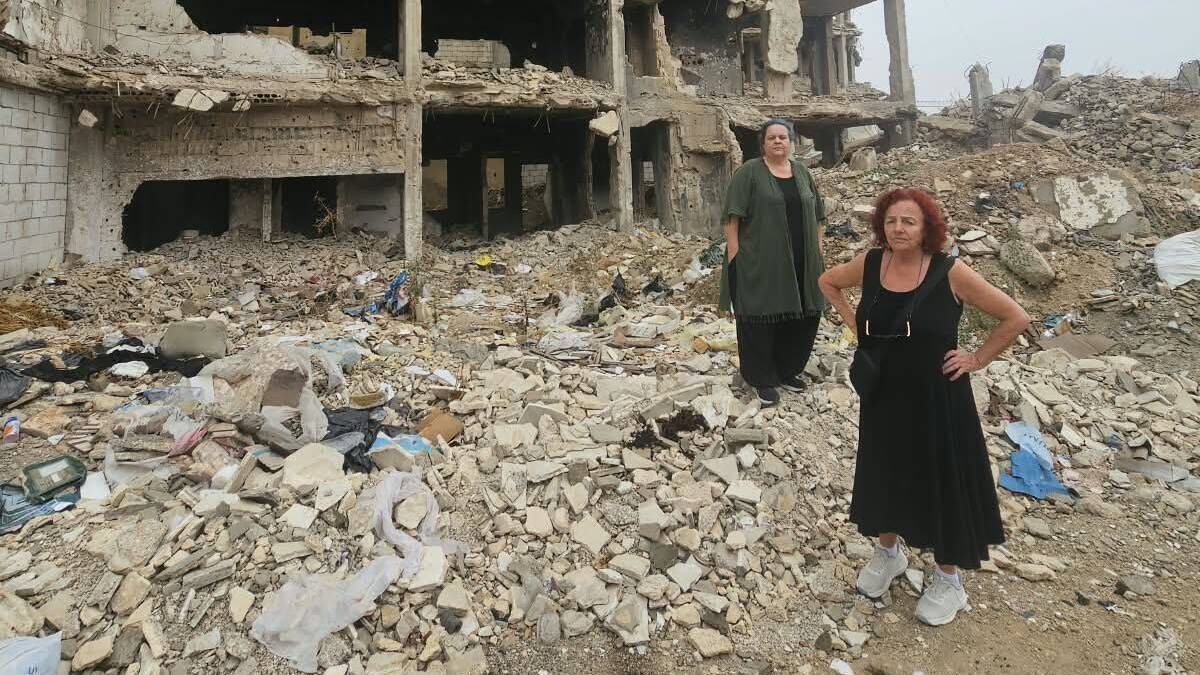
Anne O'Rourke, founder and volunteer for TIAFI in Syria with other volunteers.
Volunteers from Waterford set off for Syria last week as part of their ongoing humanitarian work for women and children who have been displaced by the continuous bombing the region has seen in recent years.
Working with TIAFI, a non-profit organisation based in Izmir, Turkey, which offers food, safety and rehabilitation to injured and displaced families from Syria, volunteers recently established a new centre in Homs, Syria.
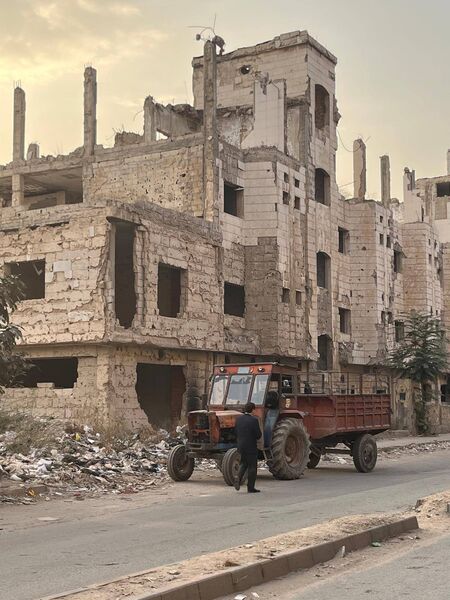
Anne O'Rourke, the Waterford woman who set TIAFI up nine years ago in Izmir, has spent the past week visiting families and meeting locals affected by severe bomb attacks throughout Syria, travelling through a number of Syrian cities over 10 days with local artist Ben Hennessy and fellow volunteers.
When speaking to this reporter from Syria, Anne said, “People should be aware that the suffering is not over.”
The trip to Syria, Anne said, was the “best thing” they could do for the families supported by the TIAFI centre in Izmir, many of whom have returned home to Syria over the last few months.
The move home for many refugees can be attributed to recent Turkish regulations for medical care, which means Syrian refugees can no longer access medical care in Turkey, despite the fact that many of the displaced Syrian children in Turkey have serious disabilities from the war.
A lot of the children that TIAFI work with have missing limbs, scoliosis, cystic fibrosis, cerebral palsy and other disabilities that need regular medication and medical attention, leaving families with “no choice but to return”.
“This is where we’re needed most,” she said, not only to support the recently established TIAFI centre in the Syrian city of Homs working with women and children in need of support, but also to highlight the “shocking” poverty and after-effects of war.
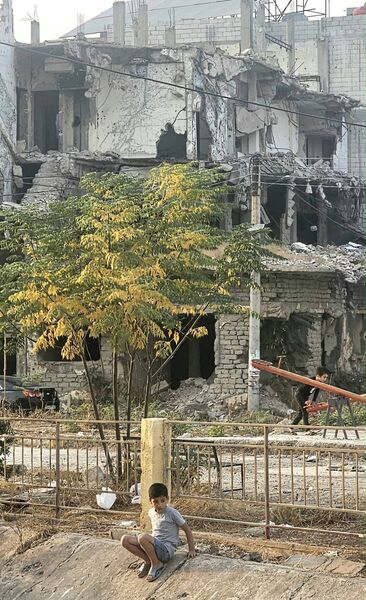
Although there were some “obvious nerves” ahead of the trip to Syria, which saw the volunteers fly to Athens, then Beirut, drive to the Syrian border to purchase visas with cash, and travel from there to Ghouta, Alleppo, Damascus and Homs.
Since their arrival, however, both Anne and Ben said they have felt nothing but welcome in the country, where locals have greeted them warmly despite the devastation the region has seen over the last 14-odd years.
Some of the areas in Ghouta, Anne said, were particularly shocking, where homes were in ruins from countless bombings and chemical attacks, and people were living in a “different level of poverty”.
The most devastating part was seeing families return to their home country, a place they never wanted to leave, according to Anne, attempting to “make a home in a bombed-out building”.
Ben felt similarly, he said, highlighting the “incredible resilience of the people” in Damascus, who were trying to continue a normal life despite the schools and hospital surrounding them reduced to “rubble”.
The city is about four times the size of Waterford, he added, and has been “bombed to bits”, noting the hordes of children he has seen wheeling wheelbarrows full of rubble out of their homes throughout the region.
The new TIAFI rehabilitation centre in Homs, which has been operating out of an old garage for the last number of months and was established by TIAFI volunteers and physiotherapists Dr Mohammed and Dr Malik, is helping over 30 children who have lost limbs in the war.
There are another 60 children on their waiting list.
The Homs centre also offers food and support to 170 women who have lost their husbands in the war, as well as support for their children, like Arabic lessons for children who can no longer read or write after living in Turkey for the last few years.
“We’re trying to do the little bit we can do to help,” Ben said.
A GoFundMe page was set up for the new centre, to help with repairing and equipping the garage it operates from, training community volunteers and hiring local physiotherapists.