Landmark changes to rural housing introduced
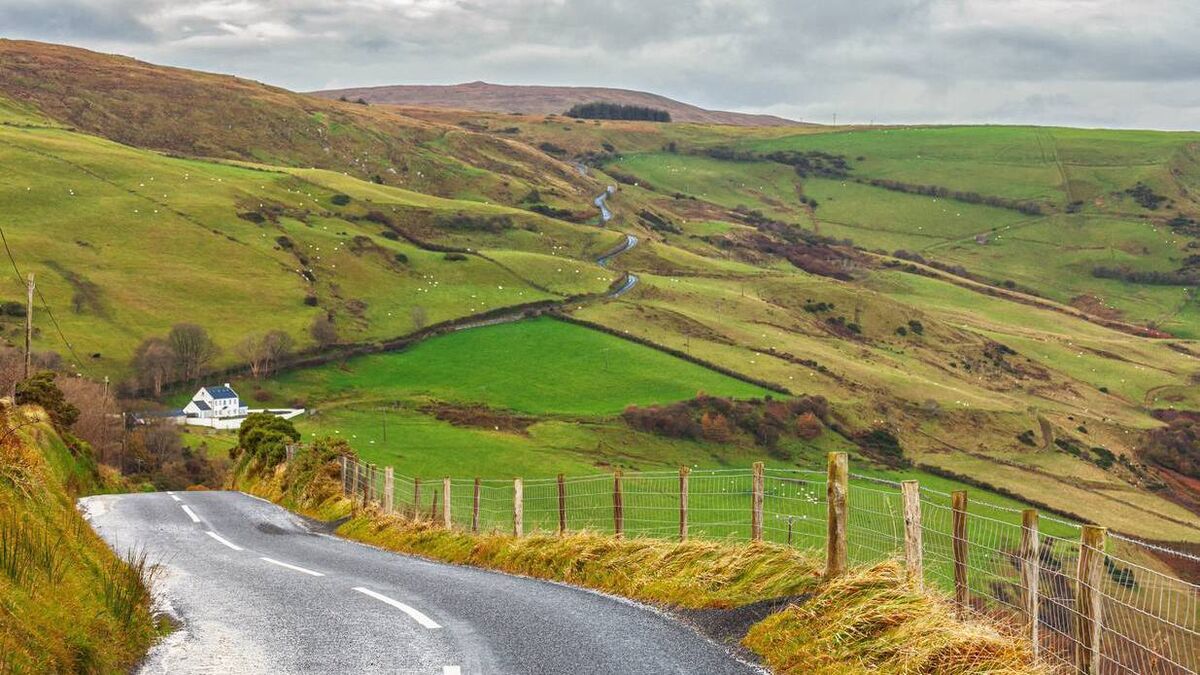
Landmark planning changes in rural and Gaeltacht areas will make it easier for families to build one-off homes in their locality.
The new guidelines to introduce more flexible rules for one-off rural housing will come before Cabinet this morning.
The changes are described as the “biggest overhaul of rural housing rules for two decades."
Speaking on the new guidelines, Minister of State for Planning and Local Government, John Cummins TD said: “Today’s announcement marks a new chapter for rural Ireland.
"We are restoring fairness and common sense to the planning system, giving local families, young people and returning emigrants a real opportunity to put down roots in the places they know and love.
“I’m removing barriers that have caused frustration for too long and introducing common-sense measures that put people ahead of red tape.
"Local Authorities will no longer be allowed place a blanket ban on infill, backland or ribbon development.
“We want people from rural areas, which will now include villages and towns with a population of below 1,500 population the opportunity and flexibility to be able to live in the communities that they have always called home.
“These new changes will support people to construct one off-homes in the rural area they are from, even if they have a current house in a town or city. They will enable those who have an economic or social need to live in a rural location, including returning emigrants, to build a home , subject to meeting normal planning considerations."
The draft National Planning Statement outlines the standard rule in a rural area will be that you have lived in that area for 7 or more years at any point in your life and you can build up to 10km from your current home.
In Gaeltacht areas, the person must live within 3 km of the site and must have lived there for 10 years. However, this can be relaxed to 5 years for people who speak Irish and can show a local need.
To qualify under economic need, a person will have to demonstrate that their main job depends on living in a rural area (remote working will not count) and they need to live close to their workplace.
This includes jobs like farming, equine, forestry, working in essential services such as a teachers in local schools, or people starting or running a rural business.
The draft National Planning Statement will now undergo the relevant environmental screening and it’s expected the new changes will come into effect later in the year.