A walk back in time, Waterford's urban fossil trail
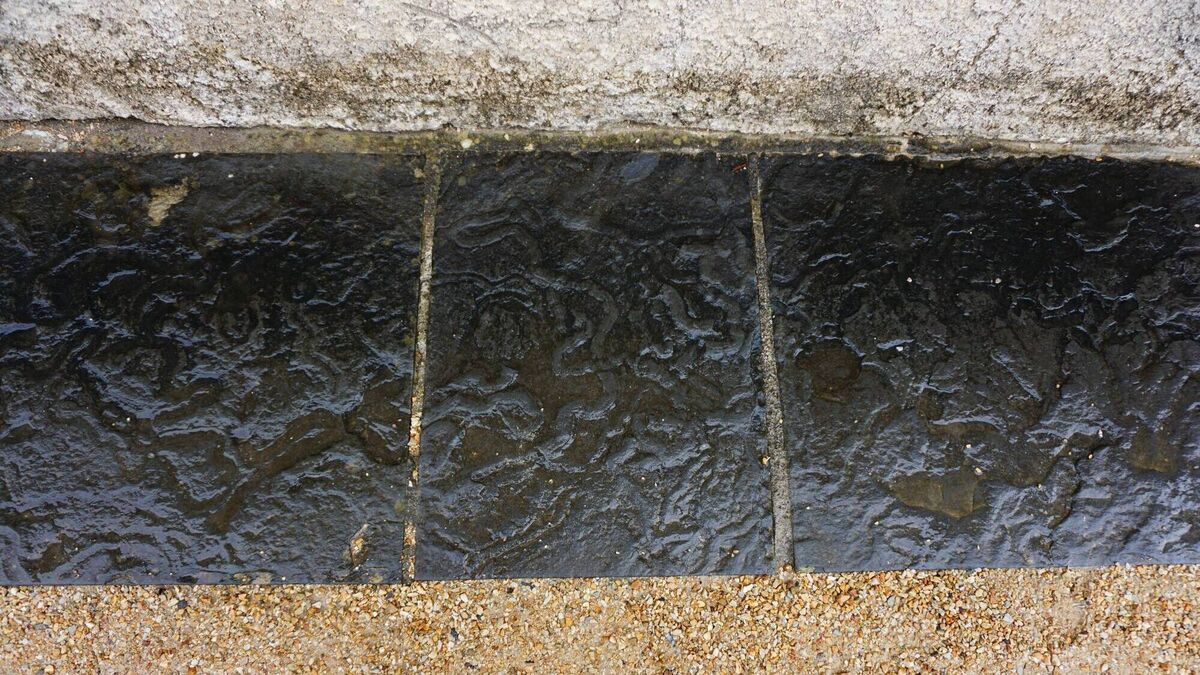
Ancient burrows (Olivellites) preserved along paving stones around the edge of Bishops Palace
As Ireland's oldest city, Waterford is chock-full of historic monuments, museums and sites; but 340-million-year-old fossils along the streets and built into city walls may come as a surprise to locals – history aficionado or not.
Ireland’s Fossil Heritage, a science engagement project ran by a team of paleontologists from University College Cork, ran a series of guided fossil walks in towns and cities across Ireland this month, highlighting the fossils hidden in plain sight in buildings, paving stones and walls across the country.
The Waterford urban fossil trail, which can be found at https://www.ucc.ie/en/fossil-heritage/, begins at the SS Formby Memorial on the corner of Adelphi Quay and Parade Quay and finishes at the Cathedral of the Most Holy Trinity Within on Barronstrand Street.
Featuring eight stops, the fossil trail invites locals and visitors to explore the history surrounding us, with spottings of crinoid ossicles, brachiopods, corals, belemnites and olivellites right in the heart of Waterford City.
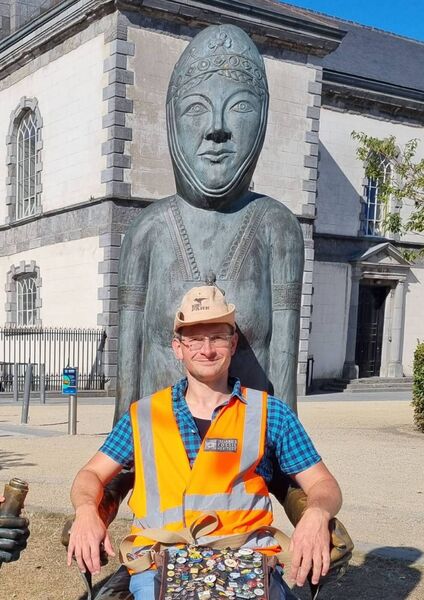
Dr Daniel Falk, a paleontologist working on the Ireland's Fossil Heritage project, spoke to the Waterford News & Star about last week's fossil walk in the city, highlighting some of the fossils seen throughout the city and their significance.
"Most people just walk around, and they pass one of those heritage sites or one of those sites every day and they don't realise there's loads of fossils there," he said.
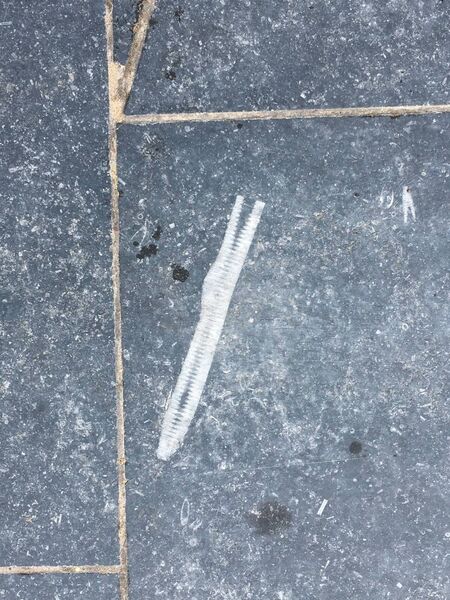
The first set of fossils Dr Falk presented on his tour were the 340-milllion-year-old Crinoid fossils at the SS Fromby Memorial, which he said often look like polo mints.
In actuality, the markings are parts of Crinoids, also known as sea lilies, that have been preserved in Kilkenny blue limestone, most often the stem or spine-like centre of the deep-sea animals.
The crinoids are one of few fossils found in the city from a still living species.
A "wonderful cross section of coral" can be spotted at Cathedral Square, Dr Falk added, which is of great significance considering the particular type of coral fossilised there is a now extinct species of colonial coral.
Cathedral square also has an array of crinoid and brachiopod fossils preserved in the paving stones and building stones along the lower part of Christ Church Cathedral.
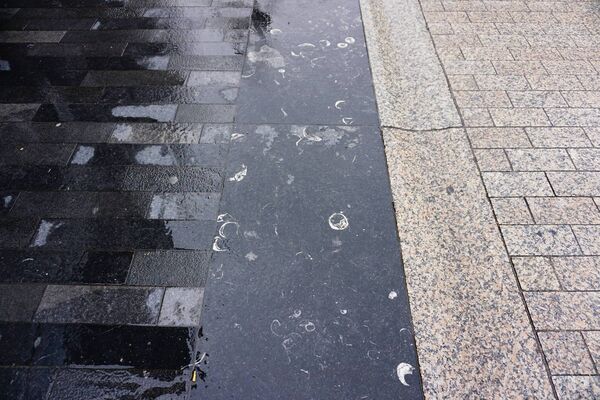
"What we see in Waterford is not only body fossils but also trace fossils," Dr Falk said, "so it's a nice change to what we've seen before".
These fossils, and others found throughout the country, are all marine fossils going back hundreds of millions of years ago to when Ireland was in the Southern hemisphere and covered by water, Dr Falk explained.
"Fossils are essentially the keys to the past," he added: "Fossils tell us how ancient environments looked, how animals looked, they tell us about the climate as well and about climate change and mass extinctions."
For example, the wall alongside Carraig Donn at the City Square Shopping Centre may look like it's been battered and bruised over time, but Dr Falk said although "the facade looks a bit dirty, if you look closely, you can see features that are actually fossils".
The markings along the wall are 150-million-year-old belemnite fossils, he explained, a now extinct squid-like creature.
Extinction, as Dr Falk put it, "has been happening all over the earth's life" and is a natural occurrence, but he said there are some aspects of extinction that are natural and there are some aspects of extinction that are man-made.
"We need to be careful as humans that we don't actively extinct other groups," he added. "It's really important that we are considerate with our resources."
Dr Falk and his colleagues working on the Ireland's Fossil Heritage project offer a diverse range of free resources online and in person, through school workshops, travelling exhibits, science and art collaborations and interactive web content, all aimed at increasing public awareness and interest in Irish fossils.
Follow the guide to explore Waterford's urban fossil trail yourself or simply keep an eye out the next time you walk through the city centre and see what you can find.