Mould and pest infections found in inspections of emergency accommodation for homeless people
Ken Foxe
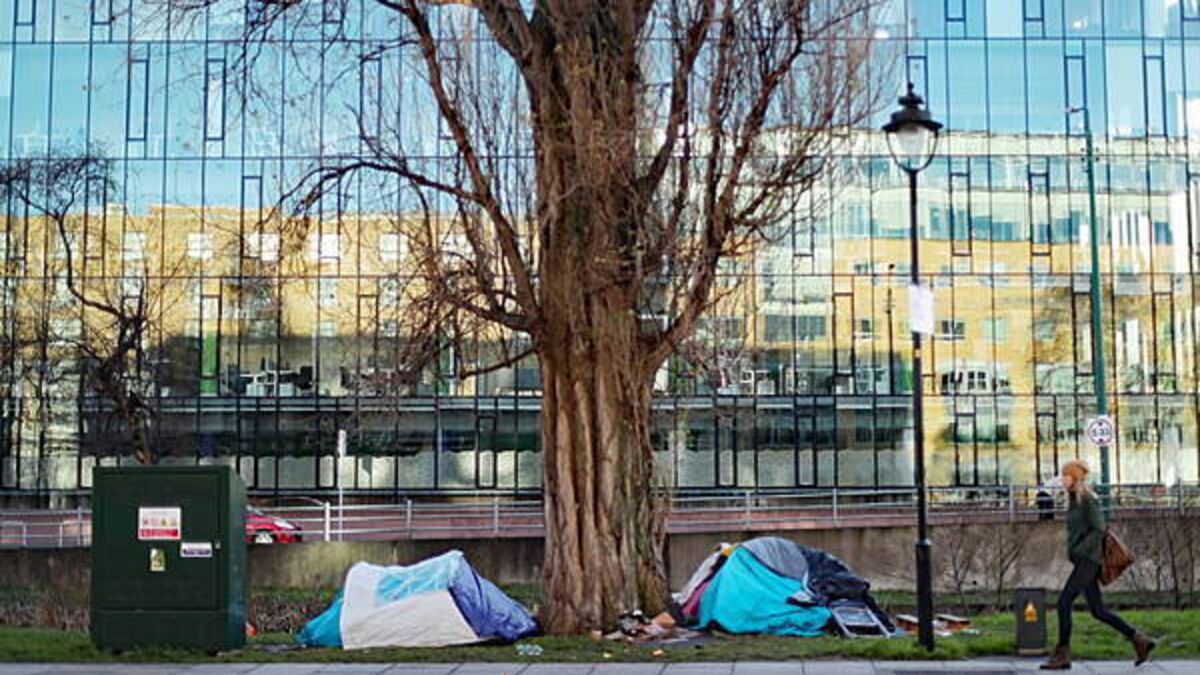
Mould, damp, pest infestations, as well as broken appliances and fittings were uncovered during inspections of emergency accommodation for homeless people.
Inspectors found mould in bedrooms, bathrooms, kitchens, and sitting rooms, along with leaking taps, damaged flooring and broken windows.
Fire-safety issues were also discovered with alarm panels showing faults, overdue servicing, and missing records for evacuation drills and emergency lighting checks.
In one apartment in Dublin, a catalogue of problems was detailed in an inspection report.
The report said: “Mould in sitting room, window in sitting room hinge broken, mould in bathroom, shower head keeps falling down, freezer not working, mould on freezer.”
It continued: “Freezer door won’t open. Door on fridge press cracked. Mould in second bedroom. Water pressure low in wash-hand basin in bathroom.”
Elsewhere, inspectors working on behalf of the Dublin Regional Homeless Executive (DRHE) recorded damaged wardrobes and kitchen units.
Rooms or beds at two facilities were unavailable because of pest-control issues, records released under FOI showed.
Another report listed multiple problems: “When boiler turned on trip switch kicks in. Socket in sitting room away from the wall. Damp in bathroom water all over the floor and on the walls around the sink. Mould on inside of front door.”
At a centre housing 232 people – including 63 families and 18 babies – the fire alarm panel was recorded as being in “fault mode.”
Another site visit report detailed a fault affecting “all points” on an alarm system.
Inspectors also found cases where there was no record of required fire drills, bell tests or servicing of alarms and emergency lighting.
At one property, fire extinguishers and fire blankets had to be installed in multiple bedrooms containing cooking facilities, according to the Dublin City Council records.
Asked about the documents, Dublin City Council said that since the introduction of the inspection programme, there had been an improvement in standards across emergency accommodation.
A spokesperson said: “Unannounced inspections allow the DRHE to identify issues and ensure that the … service takes corrective action.
“Issues identified at the time of the inspection are followed up with the service provider in the following weeks until rectified.”
The spokesperson said fire safety was a priority and that inspections tested for any weaknesses, with follow-up action where standards were not met.
Dublin City Council said it had also engaged an independent contractor to provide a homeless accommodation inspection service looking at building standards, onsite facilities, staffing, health and safety, and food provision.