Ministers urge farmers and animal owners to take extra care during the extreme weather
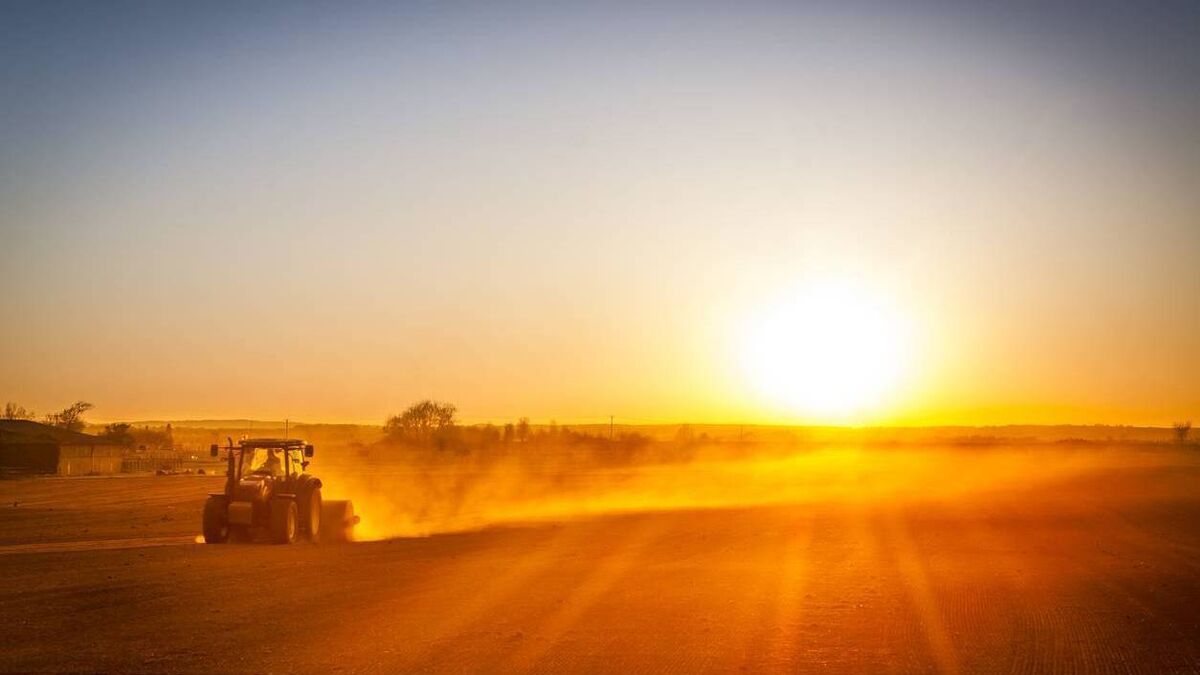
The current high temperatures affecting Ireland can pose a risk to both pets and livestock.
With the hot weather to continue over the coming days, Minister for Agriculture, Food and the Marine, Martin Heydon TD, has issued advice to animal owners in how best to take care of their animals during the continued spell of high temperatures affecting the country.
Minister Heydon said: “The current high temperatures affecting Ireland can pose a risk to both pets and livestock. It is important that farmers, horse and pet owners take steps to protect their charges during high temperatures to avoid serious health and welfare problems arising due to the heat.”
Minister of State with responsibility for Forestry, Farm Safety and Horticulture, Niall Collins TD, also called for vigilance on the possible outbreaks of fires: “Due to continued high temperature weather patterns, the potential for the outbreak of fires remains high, and I am calling on all forest owners, farmers, rural dwellers and other countryside users to be extremely vigilant regarding fire activity, to report any suspicious or illegal activity to the Gardai and to report all fires immediately to the Fire and Emergency Services via 112/999.”
Key points to reduce the impact of high temperatures on farm animals and horses include:
- Ensuring a decent supply of drinking water and checking drinking points more often during the hot weather
- Ensuring access to suitable shade and shelter, holding areas for livestock and horses should have shaded areas available where possible and holding times should be minimised
- Minimising the handling and transport of animals, if necessary, ensure animals are handled as early or late in the day as possible to coincide with cooler temperatures
- Reducing stocking densities for intensively housed livestock like pigs and poultry where possible
- Monitor livestock closely for signs of heat stress
If you suspect an animal may be heat stressed, it is vital to act quickly. Steps to manage heat stressed animals include moving them to shade or shelter; offering cool water; using sprinklers for cattle, pigs and horses, or allow the animals to stand in cool water; increase ventilation for housed species such as pigs and poultry; and reduce the stocking density to allow animals to lie out. If there is no improvement, seek veterinary assistance without delay.
Steps for pets include:
- Ensuring plentiful supply of drinking water both inside and outdoors.
- Ensuring access to suitable shade or shelter away from direct sunlight.
- Never leave your dog unattended in a car, even if the car is parked in the shade or with windows open. The temperature inside the car may rise rapidly, causing heat stroke which can be fatal.
- Exercise your dog in the morning or the evening when temperatures are cooler. On longer walks, bring water for your dog to drink.
- Surfaces that heat up in the sun, such as tarmac, pavements and sand, may be painful for your dog’s paws. If the surface is too hot for you to touch, walk your dog on grass or in shaded areas instead.
- Regular grooming/clipping of dogs, particularly those with long or thick hair, helps dogs regulate their body temperature during hot weather.
- As dogs can get sunburn, limit their exposure to direct sunlight and apply sunscreen to their ear tips and bridge of their nose if necessary.
Farmers and outdoor workers must stay safe in the sun by avoiding the intense heat during peak hours from 11am to 3pm.
When outside farmers should wear light, loose-fitting clothes that cover the skin, alongside a wide-brimmed hat and sunglasses.
Any exposed skin should be protected by regularly applying water-resistant sunscreen - using at least factor 30+ for adults and 50+ for children.
Finally, always stay in the shade whenever possible and keep well-hydrated by drinking plenty of fluids throughout the day.
Check working machinery regularly for overheating bearings, belts and other components that may give rise to fires.
Clear dust build-ups and debris from machinery regularly and be careful of hot vehicle exhausts/ catalytic converters when working in dried hay/crops.