Farming: ESRI research 'highlights problems that have been obvious for decades'
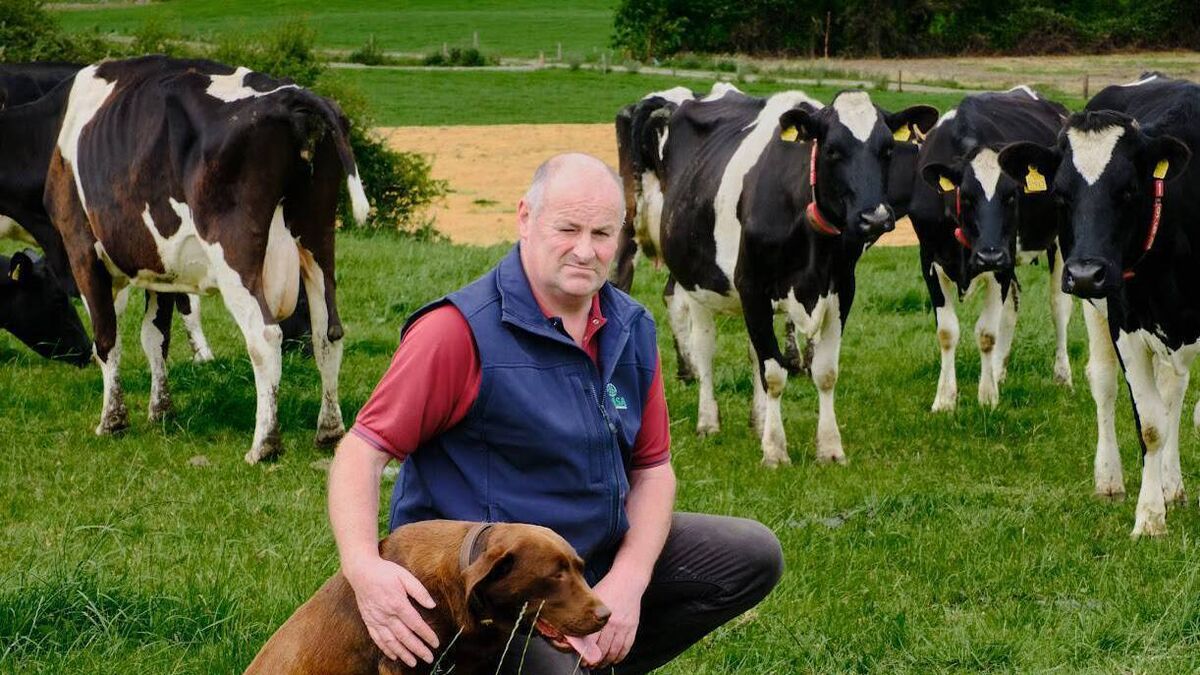
ICMSA Deputy President, Eamon Carroll
The Deputy President of ICMSA, Eamon Carroll, has said that the latest research from the ESRI looking into the behaviour and attitudes of Irish farmers to the bovine TB programme has highlighted, yet again, problems in the programme that have been obvious for decades.
Mr Carroll said the publication of the data must signal a new determination and energy to finally "get to grips with" and eradicate an animal disease that has had a devastating impact upon generations of farm families.
“That is going to require timelines and targets to be hit with the flexibility within the plan to ‘pivot’ and address areas that might need more resources or focus.
"But ICMSA is serious if the Government is serious; we have to have a clear map towards eliminating bTB from the country’s herds altogether and not just dampening it down only for it to flare up again in a few years,” said Mr Carroll.
Mr Carroll said that the ESRI was to be commended for their research and he specifically identified their conclusion: "Communications could focus on evidence-based narratives about the effectiveness of recommended measures while avoiding lengthy or overly technical material."
“This is exactly what ICMSA have been asking the Department to implement for the last number of years," Mr Carroll said, "use the data and science to indicate whether we are making progress or not – without getting bogged down in minutiae.
"We are also very struck by what the ESRI identified as the ‘fatalism’ that seems to take over when bTB enters the herd and we are adamant that this attitude of ‘fatalism’ must be looked at more closely.
"It’s a question of morale and if a farmer is on an endless ‘merry-go-round’ of bTB outbreaks, it becomes desperately hard to change to dynamic from a financial or mental health viewpoint.
"Those are the circumstances in which the Department most needs to communicate with the farmers concerned and provide real solutions to those affected,” he said.
Mr Carroll noted that new rules are going to be introduced in 2026 that could deal with some of the issues examined in this research, such as animal history and some biosecurity issues. He said that it will obviously take some time before the effects and results of the new rules can be measured and understood, and he said that ICMSA was committed to giving the new rules that time required if proper results were to be learned.
But the ICMSA Deputy President repeated his conviction that the new rules were fatally undermined by a lack of targets, requirements, and timelines for the other ‘links’ in the cattle trade and sector.
“The only people in this new regime with fixed targets are the farmers, who are also the only ones who suffer financial loss.
"We think that the same degree of compliance and time lined targets should have been applied to all stakeholders. As it is – and as usual – the farmers are carrying everyone else,” concluded Mr Carroll.