Haulage group slams government for ‘damaging U-turn’ on Road Safety Authority reform
Ellen O'Donoghue and Vivienne Clarke
The Irish Road Haulage Association (IRHA) has accused the government of a "damaging U-turn" after it abandoned plans for a substantive reform of the Road Safety Authority (RSA), despite committing to the changes following a high-level report in 2024.
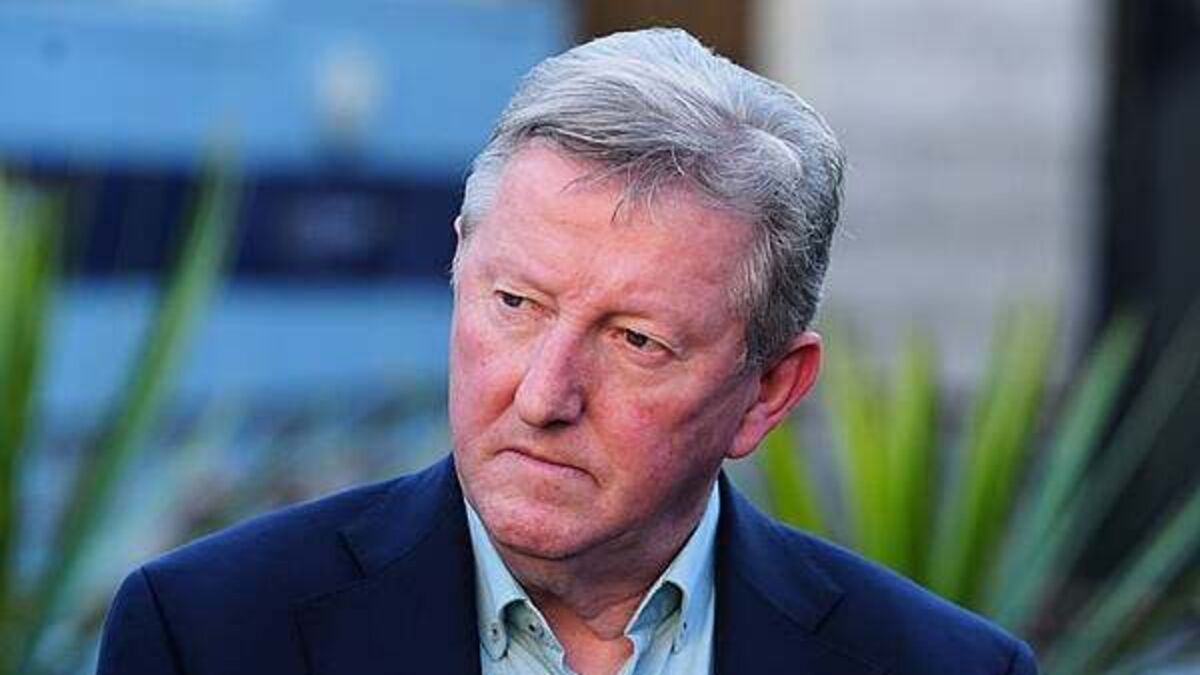
IRHA president Ger Hyland said the decision not to reform the RSA would result in more road deaths, prolong dysfunction in the driving test system and leave a publicly funded body in place that has been widely criticised and is unfit for purpose.
Mr Hyland said the reversal showed a government "unwilling to confront rising road fatalities or deliver meaningful reform in the transport sector".
It comes after three people lost their lives in separate road traffic collisions across the country in the last 24 hours, with the number of road deaths as of Monday, December 15th, having surpassed the figure for all of 2024.
Minister of State for Transport Seán Canney defended his decision not to disband the Road Safety Authority despite an independent external review of the RSA by Indecon Economic Consultants last year that recommended it be reformed by separating the authority into two agencies.
Mr Canney told RTÉ Radio’s Morning Ireland on Thursday that the U-turn had come about because of improvements in the RSA, such as the reduction from national waiting times for driving tests from 27 weeks to 10 weeks.
"It's better to solve the problems that are within the organisation than to be just splitting it up," he said.
From his experience in the private sector, he said, sometimes it was better to look at what the problem was rather than just “doing something to change it".
“I think the biggest area of non-delivery would be in the area of road safety campaigns being more visible. The Road Safety Authority is an authority that should be out there and should be more engaging in relation to the fight against road collisions and road deaths," Mr Canney said.
“I do believe that from my experience over the last year, a lot of things. If I waited to split the organisation before, which I directed them what to do with the drive-in testing, we still would have a 27-week lead in time.
“So what I'm saying is that it's better to solve the problems that are within the organisation than to be just splitting it up. It's a small organisation, it's a maximum of 500 people, creating two boards, two chief executives, creating all of that, but what actually are you achieving by it?"
Mr Canney added that he has read the Indecon report and has taken on board what it said.
"They've produced a number of different options, and I've decided at this stage it is better to try and work within so that we actually get a more efficient and a more working road safety authority.
"They do a huge amount of work, the driving testing, the truck testing, they're responsible for all of that as well as the road safety messaging and I think there is a lot of room for improvement, and I would be working with them, with my department officials to make sure that we bring in these changes.”
Mr Hyland called on Mr Canney to outline the cost of the Indecon Consultants report into the RSA that recommended that the organisation be dramatically reformed, following the government's decision not to follow its recommendations.
The IRHA said that it notes "with alarm" that road fatalities in Ireland are "ever-increasing", and that independent reviews recommended structural reform of the RSA "precisely because the current framework is failing the public and the transport sector".
The handling of RSA reform by Mr Canney was described by Mr Hyland as "both baffling and irresponsible.
"The roads are our workplace and we are frightened at the escalating dangers our drivers are facing every day," Mr Hyland said.
The IRHA has previously warned that delays and inefficiencies in driver training and testing, and broader RSA operations, including issues highlighted previously by haulage companies, impose real costs on businesses, drivers, and the performance of the rural economy.