EU-banned cancer-linked hormone found in Brazilian beef sparks fresh Mercosur deal backlash
Eva Osborne
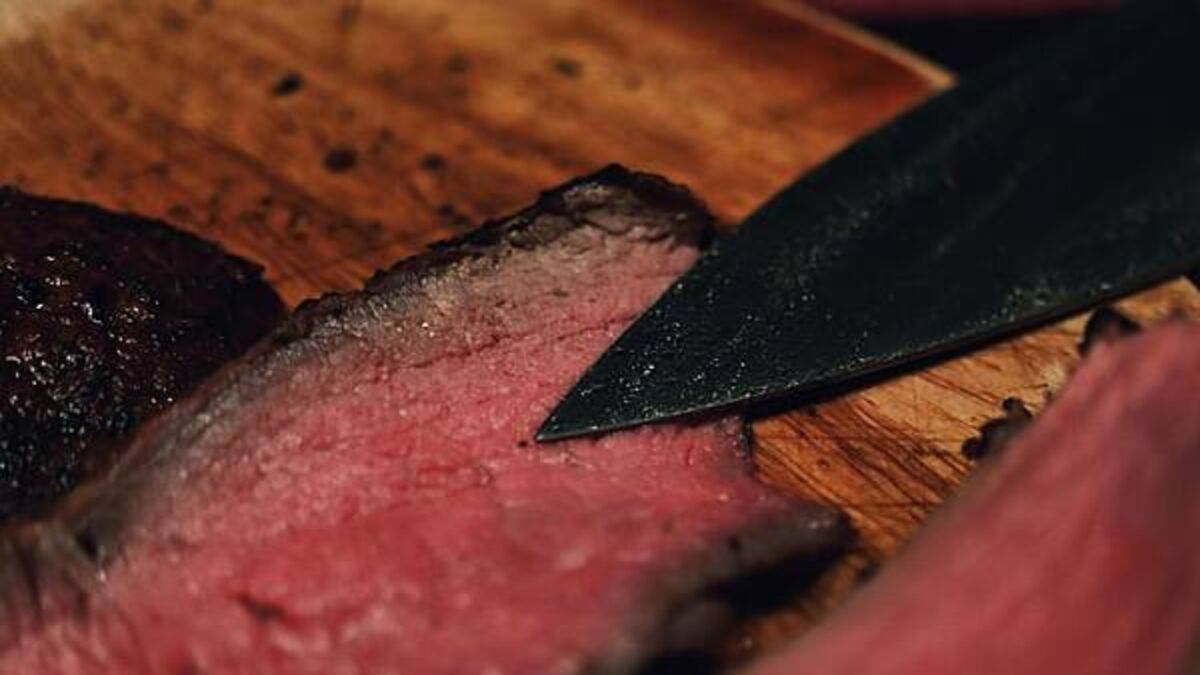
A banned growth hormone that EU scientific authorities have deemed a “complete carcinogen” has been discovered in Brazilian beef imported into EU markets, triggering a recall and fuelling an escalating political storm over the proposed Mercosur trade agreement.
The EU has prohibited the use of hormones for growth promotion in livestock since 1981, including substances such as oestradiol-17β, which was found in frozen Brazilian beef in Italy.
Scientific committees advising the EU have repeatedly concluded that oestradiol-17β must be considered a “complete carcinogen” with both tumour-initiating and tumour-promoting effects.
The discovery of such banned substances in Brazilian beef has now become the central flashpoint in the EU–Mercosur trade debate, with Irish MEPs and farm leaders warning that public health, environmental protections, and fair competition are at risk.
'A serious wake-up call’
The recent recall, combined with the findings of a joint IFA/Irish Farmers Journal investigation into Brazilian production standards, has intensified industry alarm.
Deputy editor of the Irish Farmers Journal, Adam Woods, said farmers want a level playing field.
“They want the beef that comes into the EU to be the very same as we produce… any beef that comes into that market should be held to the same rigour as the beef that is produced here.”
IFA President Francie Gorman said the findings should be a “serious wake up call” for what he described as the “cheerleaders” advocating for the Mercosur deal.
“This was randomly discovered, to be clear, and it shows that the controls which we were told were in place, are not… This beef needs to be stopped coming into the EU as a matter of urgency.”
Gorman said the recall proves that assurances about safeguards “will never be in place”. He also called on Tánaiste and Fine Gael leader Simon Harris to clarify his party’s stance.
“The Programme for Government is very clear,” he said, quoting its commitment to work against the “current Mercosur trade deal.”
He argued that food imports should be removed from the agreement entirely.
“The so-called safeguards make no reference to public health… The EU authorities cannot have any faith in the control systems in Brazil. Ignoring this is putting public and consumer health at risk.”
Mercosur trade agreement
The EU and Mercosur countries, which include Brazil, Argentina, Paraguay and Uruguay, reached a political breakthrough on the partnership agreement in December 2024.
The European Commission published proposals for the signature and conclusion of the deal in September 2025.
If ratified, the Mercosur partnership agreement would become one of the largest trade accords in the world.
However, resistance is mounting rapidly as Irish and European lawmakers cite environmental, agricultural, and now public-health concerns stemming from the hormone discovery.
The European Parliament is expected to vote on safeguard measures later this month, with the broader trade agreement facing uncertain prospects amid intensifying scrutiny.
Fianna Fáil MEP Billy Kelleher said the beef component of the Mercosur deal is now “not acceptable” and confirmed he will vote against the agreement in the European Parliament later this month.
“In recent weeks, we have seen recalls of Brazilian beef due to the use of prohibited hormones that have been proven to cause cancer,” he said.
Kelleher added that recent media investigations had shown “just how lax the controls on the use of antibiotics are in Brazil".
He warned that increased beef imports would drive further destruction of the Amazon rainforest and displace indigenous communities.
“We need to be honest with ourselves – an increase in Brazilian beef exports to Europe will result in the further destruction of the Amazonian rainforest and the displacement of indigenous people. This is morally and ethically wrong in my opinion.”
He criticised the EU Commission for sacrificing agriculture in exchange for benefits for other sectors, such as car exports.
“Fundamentally, in order to reach an agreement, elements of the Mercosur trade deal, i.e. the beef important segment, have been compromised in order to secure an agreement which would benefit other parts of the economy, such as car exports.
“This is not acceptable to me. While safeguards have supposedly been put in place, they ultimately rely on the national competent authorities in Mercosur countries to implement them and play by our rules.
"Quite frankly, I don’t have enough trust in these authorities."