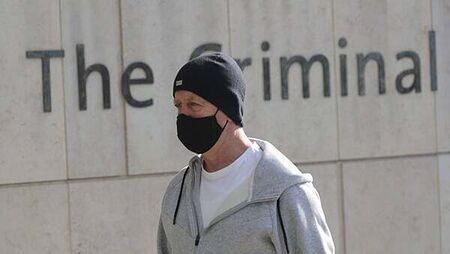
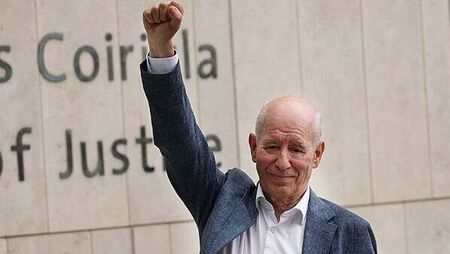
Aaron Connolly granted bail following quashing of conviction for murder of Cameron Reilly
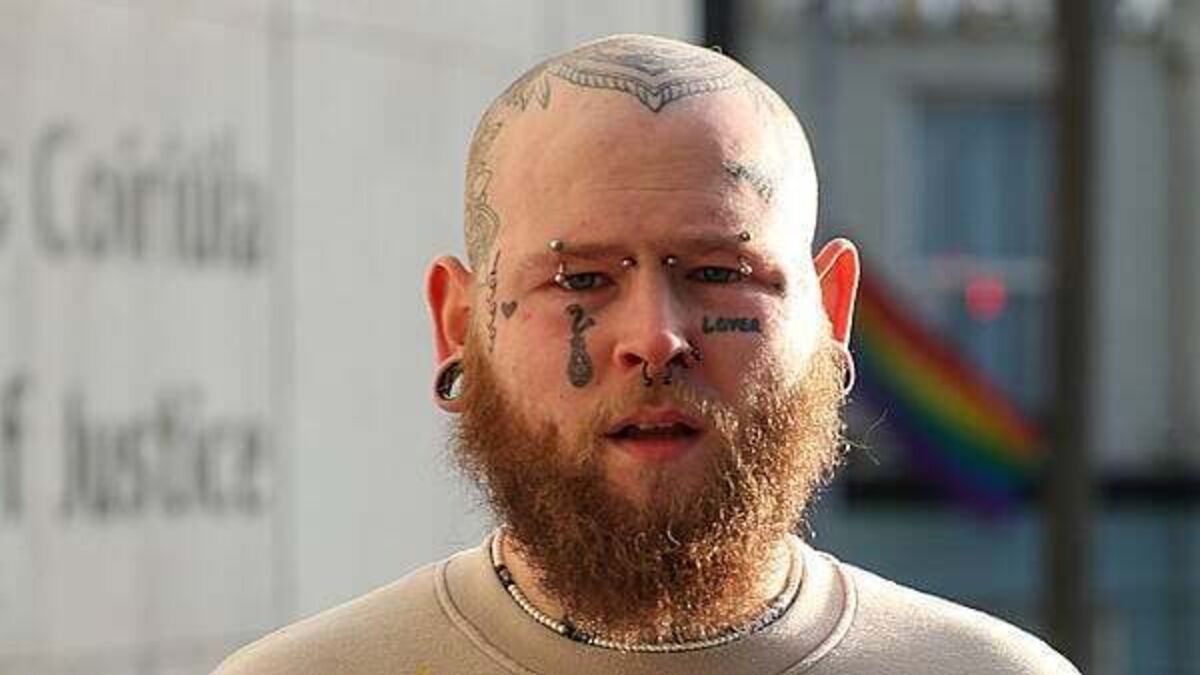
Eoin Reynolds
Aaron Connolly has been granted bail on Friday, having spent three years in prison before his conviction for murdering teenager Cameron Reilly was quashed by the Court of Appeal.
Having quashed Connolly's conviction, the three-judge appeal court on Thursday ordered that he be retried on the murder charge.
At the Central Criminal Court this morning, Judge Paul McDermott agreed to remand Connolly, who is now aged 26, on bail on strict conditions, including that he live with his parents and not leave the house unaccompanied.
Jude McDermott adjourned the matter to June 24th, when Connolly will be given a date for his second trial.
The Court of Appeal ordered the retrial on Thursday, having previously found that remarks made by his trial judge may have been perceived by the jury as "disparaging" of the defence case and "advocacy" for the prosecution.
Reilly, a DKIT student, had been part of a group of around 15 young people who gathered in a field on the outskirts of the town on the night of May 25th, 2018.
Alcohol and cannabis were consumed by some of those present, although Reilly’s best friend told the trial that Cameron never took drugs.
The group went to a local takeaway to get food shortly after midnight.
Reilly’s body was found in the field the following morning by a man out walking his dog.
During his trial, Connolly made admissions through his lawyers that he performed oral sex on Cameron Reilly on the night he was killed.
The accused said that when he left, Reilly was still alive and standing up.
Connolly, of Willistown, Drumcar, had pleaded not guilty to the murder of 18-year-old Cameron Reilly at Shamrock Hill, Dunleer, Co Louth on May 26th, 2018, but was found guilty by a unanimous jury verdict in December 2022 and received a mandatory life sentence.
That conviction was quashed, with the appeal court finding that the charge delivered by the trial judge, Tony Hunt, contained comments of such "stridency and emphasis" that there was a "real possibility the jury could have perceived he was personally convinced of the guilt of the accused and that, implicitly, he was pressing them to deliver a guilty verdict".