Fr Liam Power: A new model of Church is emerging
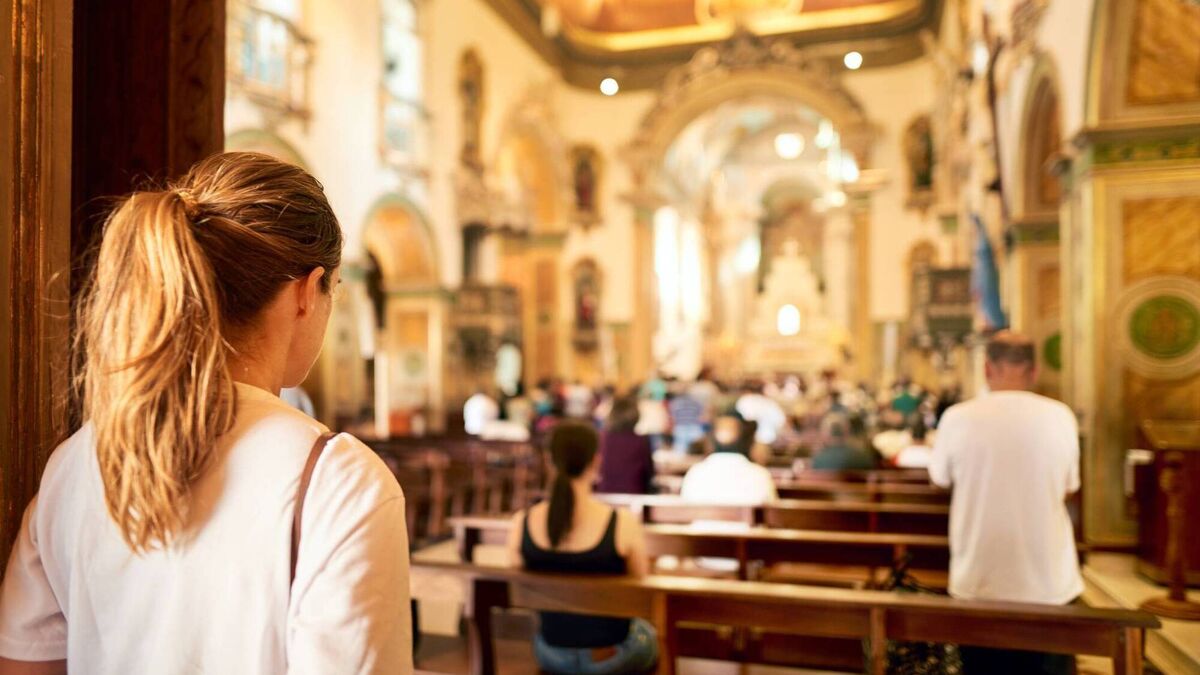
A new ecclesial reality is emerging. Lay pastoral leaders are being recruited, trained and commissioned to work collaboratively with priests in parishes.
The Church as we knew it may be in crisis, but a new model is emerging.
Many Irish bishops acknowledge that the Irish Church is facing a crisis.
Bishop Denis Nulty began his recent pastoral letter by describing the stark reality of the crisis: the number of priests is declining, some religious and overseas priests are returning to their orders or home dioceses, and many diocesan priests are serving beyond the normal retirement age.
Kildare and Leighlin now has 56 parishes and 117 churches organised into 11 pastoral areas. This means parishes will have to reconsider Mass schedules, chaplaincies to schools, hospitals and nursing homes, and the workload being carried by priests. He appealed for sensitivity toward elderly and overburdened clergy, noting that it is no longer possible for fewer priests to meet every expectation. He pointed out that there are 27 priests over 75 who are still holding parish appointments, including 10 serving as parish priests or administrators.
Archbishop Dermot Farrell of Dublin announced in 2024 that with fewer and older priests it was now no longer possible to appoint a resident priest to every parish and that celebrating Sunday Mass in every church would become increasingly difficult.
He has called for changes in parish structures and relationships. This means “relinquishing familiar structures and letting go of many things we considered essential.”
It may mean the amalgamation of parishes.
Bishop Leahy in Limerick noted that 24 of Limerick’s 60 parishes had no resident priest and that there is only one native priest under 50.
Bishop Hayes in Kilmore has described the priest shortage as reaching the level of crisis. Half of Kilmore’s priests are over 70 and only nine under 40.
Fr Brendan Hoban, co-founder of the Association of Catholic Priests, has regularly called attention to the shortage of priests in the Diocese of Killala. At present, there are 24 priests in active ministry in the diocese, serving 22 parishes and 48 churches. However, there is only one priest under 50, and he predicts that by 2032 there could be as few as six priests serving all 22 parishes. It will be impossible to maintain the current level of service, including celebration of Masses and funerals, other sacramental ministries and parish administration.
But paradoxically, as the old model of Church is dying, a new model is slowly emerging. The bishops are calling attention to a synodal way of being Church, which is being discovered in many dioceses. They are clearly discerning that this emerging model is definitely being inspired and guided by the Holy Spirit.
Don’t get me wrong; we need priests. All bishops emphatically proclaim that we need priests “so that the Eucharist may nourish the whole body.” They acknowledge that parishes, Christian communities, will not survive without the sacraments, which can only be administered by priests. However, a new ecclesial reality is emerging. Lay pastoral leaders are being recruited, trained and commissioned to work collaboratively with priests in parishes. Parishes will be served by clergy and pastoral leaders working together as a team.
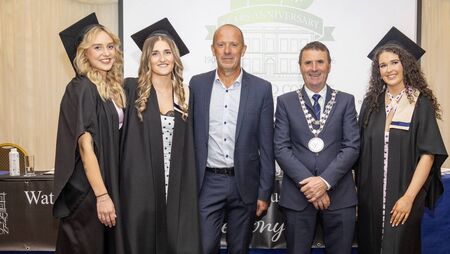
Bishop Nulty in the Diocese of Kildare and Leighlin has 25 people training as lay pastoral leaders. Bishop Ger Nash (Bishop of Ferns and who, last week, was installed as Bishop of Ossory) has a cohort of volunteers now fully trained as pastoral leaders. They have completed a two-year diploma-level course in pastoral ministry in Maynooth and will be commissioned next spring. The dioceses of Limerick, Kerry, Killaloe, and Cashel have already commissioned lay pastoral leaders. In the Diocese of Killala, over 80 lay leaders have been trained and commissioned and share responsibility for parish leadership with the priests.
Lay leaders are engaged in a diverse range of pastoral activities, such as coordinating the visitation of the housebound and elderly, visiting nursing homes, and supporting staff and residents to celebrate moments of prayer; they also design initiatives around catechesis that complement the role of the teacher in sacramental preparation of children. Some of the newly commissioned lay leaders exercise a ministry of bereavement support and lead funeral ministry teams. Some are skilled in IT and so use social media, which significantly improves communications in their parishes.
Bishop Nash, addressing the congregation during his recent installation as Bishop of Ossory, proclaimed that lay ministry should not be regarded as an optional extra or as something that becomes necessary merely because there are fewer priests. Rather, the current reality is offering opportunities for real roles of responsibility and authority to be offered to lay people. The theological foundation for this new ecclesial praxis is of course baptism. By virtue of baptism, all share responsibility for the mission of the church.
(Bishop Nash)
The emerging lay leaders experience their ministry as a calling, a vocation. They are asked to engage in a six-month discernment process to test that calling as it were. They are then inducted into the two-year theological formation programme. Graduates have testified to their deep spiritual experience of vocation as they begin their ministry.
It is apparent from the response to date that there are many such vocations. People are responding to the call with great generosity of spirit and are eager to establish dynamic collaborative leadership teams in parishes to serve the people in their communities. So yes, even in the midst of such a crisis, I have great hope for the Irish Church.