“We can’t keep taking knocks”- Waterford farmers react to Mercosur deal
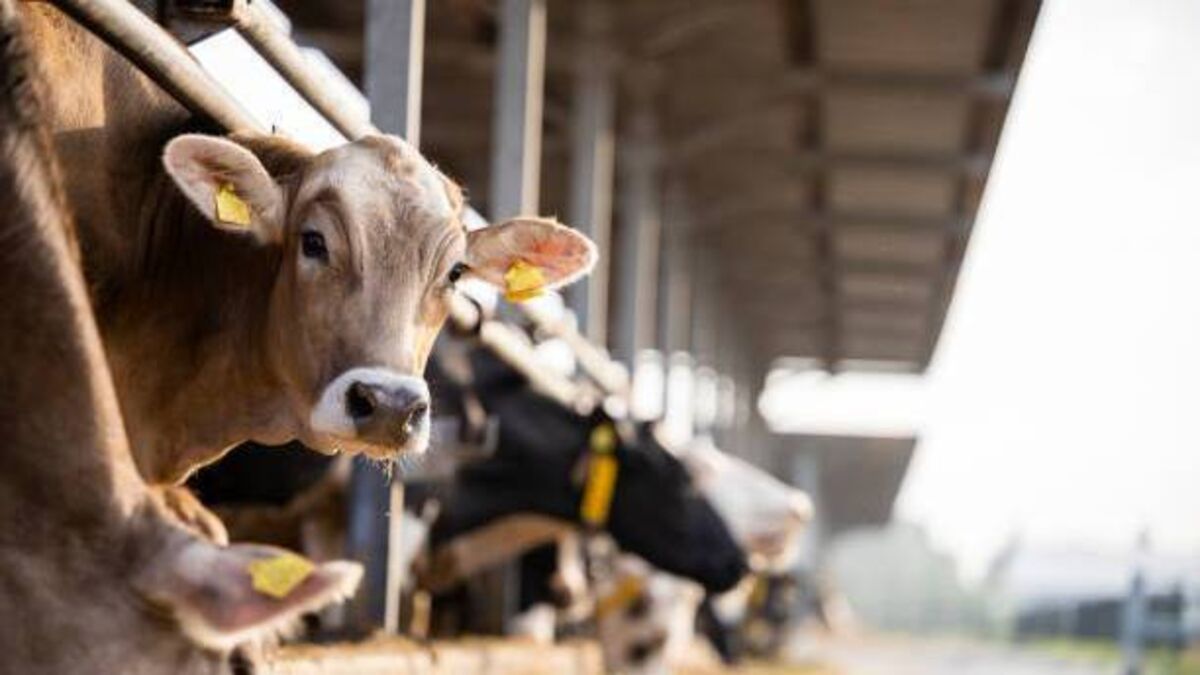
Under the deal struck by the EU and Mercosur- the trading bloc of Argentina, Bolivia, Brazil, Paraguay and Uruguay- 99,000 tonnes of Mercosur beef could go into the EU
Waterford beef farmers believe they face an existential threat to business in the wake of the European Union’s deal with Mercosur, the South American trading bloc.
The trade agreement was passed by a majority of EU member states on January 9 despite Ireland’s opposition to the deal.
EU powerhouses hope that the free trade arrangement between the two blocs will drive economic growth and create sustainable trading partners amid increased tensions from the United States and China.
Irish farmers have claimed that the arrival of Mercosur’s less-regulated livestock products will result in Irish farmers being undercut and lead to downward pressure on prices.
The deal is expected to see Mercosur export up to 99,000 tonnes of beef into EU markets.
The deal will now be advanced to the European parliament where it faces further deliberations.
John Power runs a suckler cow farm with his wife Catherine and son Alan in Clonea, Kilmacthomas. The family sell to Waterford’s Dawn Meats, which is then processed into the beef used for McDonalds.
He says that Irish farmers are “not on a level playing pitch” compared to their Brazilian counterparts.
Irish beef farmers operate under an amalgamation of EU and Irish law that requires stringent traceability, quality assurance and veterinary controls.
While Mercosur does provide for some regulation on beef, a case of Brazilian beef containing banned hormones entering the Irish food chain in January caused outcry from farmers.
“It is ridiculous…the hoops that we have to dance through to produce a kilo of beef, relative to what the Brazilians have to do,” said Mr Power.
“Farmers have been hammered with so many things, with Mercosur deals, and we've been hammered with regulation, and [the EU] can just go out and bring in all this beef from Brazil.
“Europe is just too weak. It won't protect its own producers.”

Billy Glasheen operates a weanling-to-beef operation in Passage East. Speaking to the News & Star, he echoed Mr Power’s sentiments.
“The level of traceability and controls on Irish beef, European beef production is out of this world… that 99,000 extra tonnes [of Mercosur beef], all it will be used for is to beat down the price of European beef,” Mr Glasheen said.
“I'm all for the South America deal, but you can’t have two different sets of rule books.
“I have a shed of cattle here now. I bought it for big money in the back end of last year, where beef was making a lot more money.
“Now I've been threatened by imports that it's going to reduce the price to beef. When I go to sell it, I'm going to possibly take a bad price for that beef.”
Irish Cattle and Sheep Association Development Chair Edmond Phelan, who operates a beef farm in Fenor, said the implications of the deal were wide-ranging.
“So if the meat factory buys at whatever price, they add their margin on, so they're okay, but it's the producer that’s caught. It's an awful lot more than the producer is at stake here. It's public safety, public health.”
Mr Power said that the Mercosur deal would likely force a change in operations on his farm.
“We have outside farms, and we would think that maybe we might let them…but now the dairy farmers are after getting a blow again, so they mightn’t be interested in taking land.”
2025 was generally seen as an excellent year for beef farmers, with cattle selling at all-time high prices.
The case study of Brexit offers a glimpse of hope for beef farmers.
Britains’s exit from the EU prompted fears of an apocalyptic event for Irish farmers that now faced tariffs if they wished to sell to Ireland’s biggest trading partner.
Irish farmers worried that cheaper Mercosur beef would suddenly become more attractive to British buyers.
Figures show that Ireland has managed to avoid that doomsday scenario, with the overwhelming majority of the UK’s beef imports still coming from Ireland, with only a small drop in volume post-Brexit.
Mr Phelan did say that 2025 saw a surge of New Zealand beef arrive in the UK, with potential to eat into Ireland’s share of the market.
The deal is now set to be decided on by the European Parliament in Strasbourg in two weeks.
Government’s disapproval to the Mercosur deal was forced by threats to the fulcrum of its existence, with junior minister for Agriculture Michael Healy Rae threatening to leave the coalition Government if Mercosur was not opposed.
Independent Ireland MEP Ciaran Mullooly attempted to delay the agreement of the deal made on January 9 over concerns surrounding Common Agricultural Policy (CAP) funding.
Waterford farmers remain anxious looking into the future.
“I look at fellas like myself at the mart, and most of us are all grey-haired men, the next generation’s just not going to do it,” said Mr Glasheen.