Waterford ranks bottom of nation for timely chemotherapy services
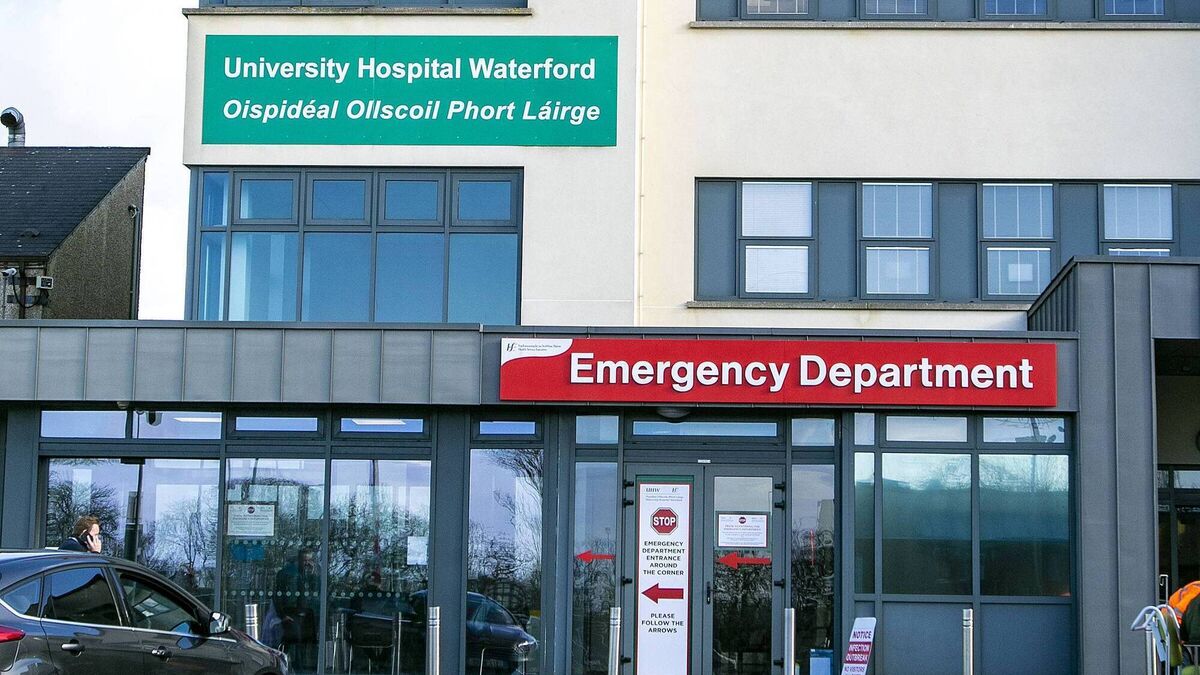
St. Luke's hospital in Dublin was the only cancer centre in the nation that ranked worse than Waterford for timely chemotherapy treatment
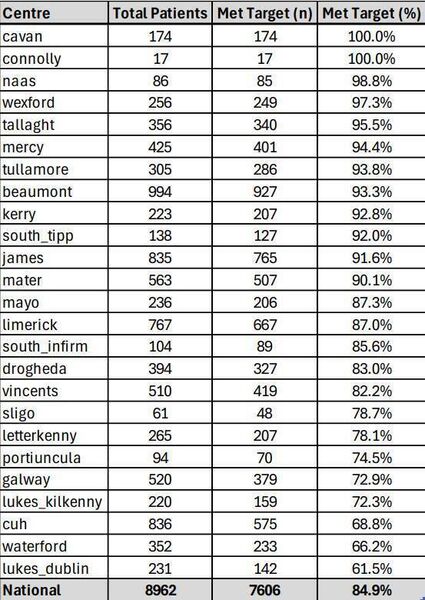
New preliminary figures released by the HSE show that just 66% of cancer patients in Waterford received timely chemotherapy treatment in 2025.
HSE guidelines aim to treat cancer patients with chemotherapy within 15 working days after they’ve been deemed ready to treat.
119 patients in Waterford fell outside of that time frame. The HSE aims to treat 90% of patients in the 15-day period. The national average for 2025 stood at 85%.
Of the 25 cancer centres nationwide, Waterford ranked second-last in the provision of timely chemotherapy services.
The HSE figures were provided to Waterford Sinn Féin TD and party health spokesperson David Cullinane, who described the findings as “stark.” “The preliminary data for 2025 makes for very difficult reading,” said Deputy Cullinane.
“People in Waterford have to wait longer for access to chemotherapy than almost anywhere else in the country, and longer than anywhere else in the south east.”
Concerns were also raised with Waterford’s performance in relation to breast cancer surgery.
Out of 73 patients, 41 received surgical intervention within the target timeframe of 20 working days post diagnosis.
The HSE calculated that if Waterford patients had quicker access to MRI scans, 84% of patients would have been treated within 20 working days.
UPMC Whitfield, a private hospital on Cork Road, led six centres nationwide for commencing radical treatment for primary cancers within 15 working days, treating 98.4% of 428 patients in the target timeframe.
Deputy Cullinane said a gulf in waiting times between public and private clinics indicates failings in Sláintecare- a 2018 national strategy to create a single-tier health system where patients are treated by need rather than ability to pay.
“In the majority of years since the strategy was launched in 2018 the Government made a decision to not provide new funding to implement the National Cancer Strategy and improve services,” said Deputy Cullinane.
“The Strategy has been starved of the multi-annual funding it needs.
“Delays are hurting at every stage of a cancer patient’s journey from the first GP referral to a consultant, to diagnostics, to treatment, to surgery because the problem is not in one single place.
“Capacity failures ripple through the whole system… This data must be a turning point.”