Water conservation order extended for Waterford until end of September
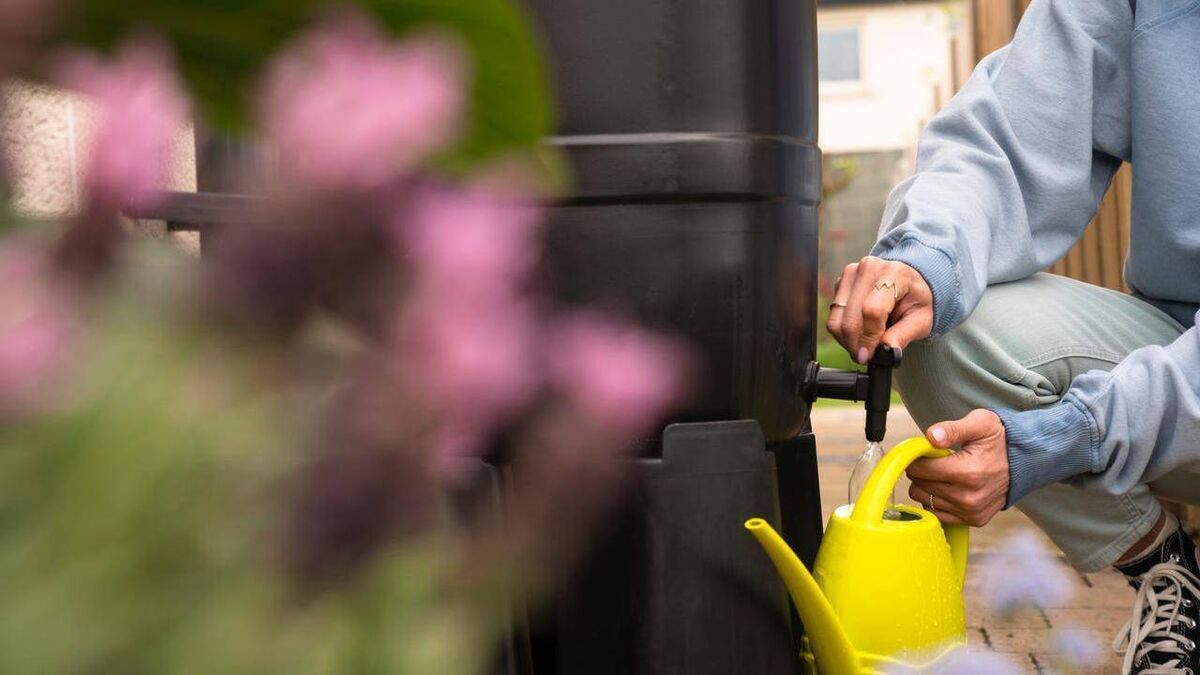
Customers are being asked by Uisce Éireann to continue using only the water they need, and to avoid non-essential water use until the order has been lifted.
The current nationwide water conservation order, which is due to expire this coming Wednesday, August 26, has been extended for Waterford for another month, until Wednesday, September 30.
Uisce Éireann confirmed today, Monday, August 24, that an extension has been put in place as water supplies in the county remain under pressure and need more time to recover.
The water conservation order will remain in place in Waterford and 12 other counties where continued protection of water supplies is required and will remain subject to prevailing weather conditions.
Water supplies serving Waterford City, Tramore and surrounding areas continue to operate at the upper end of historic production levels, Uisce Éireann stated.
Other areas, however, are struggling, including Abbeyside, An Rinn, Ballyguiry, Ballmacarbry, Cappoquinn, Clashmore, Deelish, Dungarvan, Lacken, Ballyduff Upper, Pairc an Aonaigh, Portlaw, Stradbally, Tallow, Tinabinna, Touraneena and Villierstown.
Customers are being asked by Uisce Éireann to continue using only the water they need, and to avoid non-essential water use until the order has been lifted.
Fionnuala Callery, Regional Water Senior Manager with Uisce Éireann, thanked communities across Waterford for their support, saying: “Although conditions have improved in many parts of the country, Waterford water sources and public water supplies need more time to recover. Extending the Water Conservation Order will help us protect the water that is available and reduce the risk of disruption to customers.
“We are asking everyone to continue using only the water they need and to avoid non-essential use. Every drop saved will help protect local supplies and keep water available for essential daily needs.
“Simple actions can make a real difference. Taking shorter showers, fixing dripping taps or leaking toilets, running washing machines and dishwashers only when full, and using a watering can instead of a hose will all help.”