Scheme to tackle urban dereliction used just 30 times in 10 years
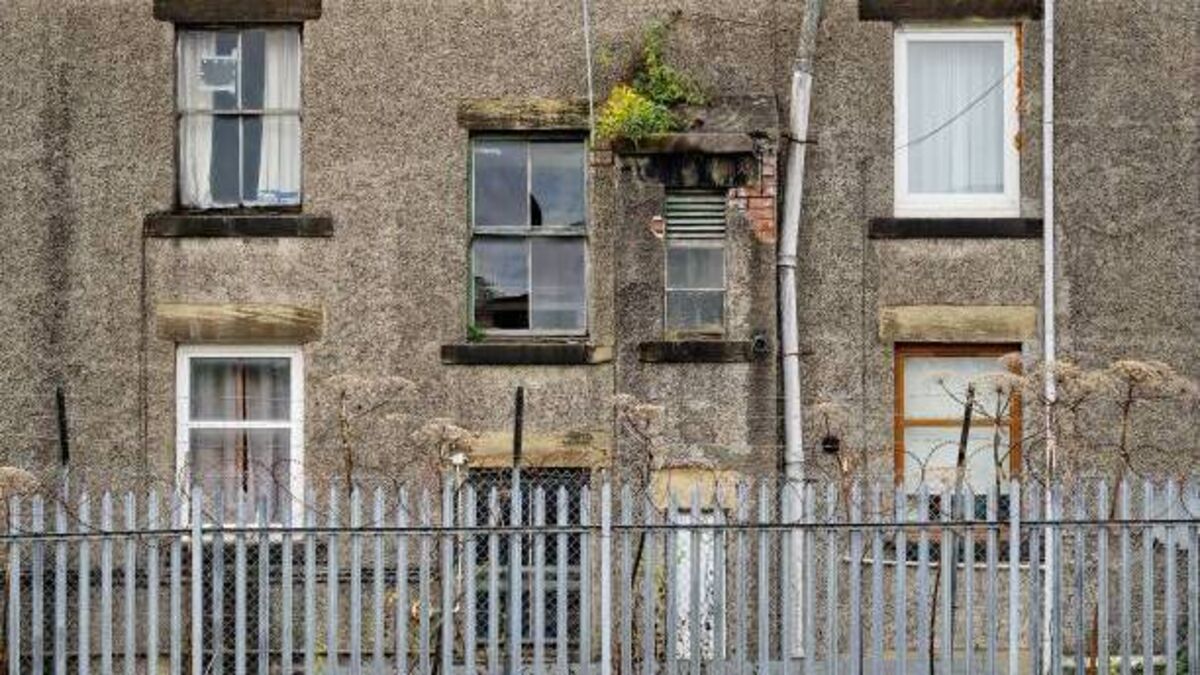
44 derelict properties sit inside Waterford's 'special regeneration area' where costs of renovation can be offset by up to €200,000.
The ‘Living City Initiative (LCI)’, a government scheme launched in 2015 to tackle urban dereliction, has been used just 30 times in Waterford since its inception.
The scheme initially offered up to €200,000 of tax relief to cover costs in converting or refurbishing residential or commercial properties built before 1915.
The scheme is currently in operation across ‘special regeneration areas’ in Dublin, Cork, Limerick, Galway, Waterford and Kilkenny.
Waterford’s ‘special regeneration area’ refers to its historic city centre that spans from Ballybricken to the beginning of the Dunmore Road.
Waterford’s residential vacancy and derelict property rates stand at 2.1% and 1.4% of total housing stock, according to GeoDirectory’s 2025 Q2 Residential Buildings Report.
While Waterford is below the national average for vacancy and dereliction rates, an analysis of the county’s derelict sites register shows that 44 derelict properties still remain in Waterford’s ‘special regenerative area.’
“Take-up hasn’t been as good as I’d hoped,” said Finn Brophy, a member of Waterford City and County Council’s Economic Development team. Mr Brophy certifies the qualifying spend for LCI applications.
“Often the odd visitor will jump on it, but given the historic heart of the city, the age profile of Ballybricken, it’s quite old, a lot of fixed incomes, they can’t really afford to finance it.
“Because it is a tax relief, and if you’re on a pension, it’s of no use to you, it would be minimum.”
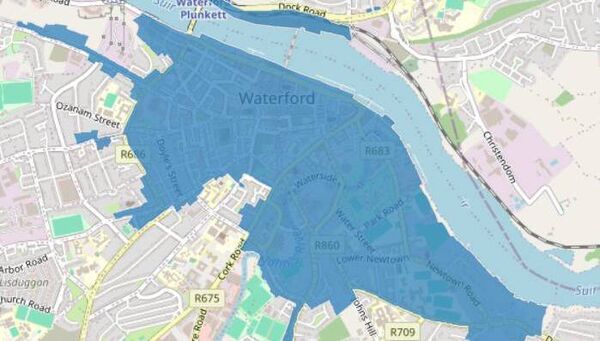
Information released to the through the Freedom of Information Act shows €5,132,405.72 worth of renovation and conversion work was claimed under the LCI.
The highest amount claimed per property was €1,182,212. The lowest was €7,000. The average claimed amount was €171,080.
There were 89 successful applications to the scheme, though the majority did not follow the scheme through to completion.
“The averages for the big houses on John’s Hill, that's where you get the 150, 200, 250,000 euros worth of work,” said Mr Brophy.
“The bread-and-butter ones are Doyle Street, Ballybricken, Grace Dieu and those houses, they're averaging between [€7,000] and €20,000, because you've got a lot of people on fixed income up there, so it’s not very appealing.”
The Government’s newest housing plan has extended the LCI until 2030 with properties built before 1975 now eligible for the scheme.
The maximum amount of tax relief that can be claimed on a property has risen to €300,000, with five new regional centres (Athlone, Drogheda, Dundalk, Letterkenny and Sligo) falling under the LCI.
Waterford Fine Gael TD and Minister of State for Local Government and Planning John Cummins welcomed the changes to the scheme.
Minister for Housing James Browne said changes to government housing schemes like the LCI “will play a vital role in delivering homes across the country”.
Minister Cummins previously said the Government’s plethora of housing schemes needs to be matched with an appropriate threat to ensure uptake.
Speaking in the Dáil in October 2025, Minister Cummins said the Vacant Home tax would provide an appropriate counterbalance to schemes like the LCI seeking to curb dereliction.
“We have such a broad range of schemes providing the carrot to bring those vacant and derelict properties back into productive use for housing purposes, and if people are not going to use those carrots, the stick of the derelict property tax is coming,” Minister Cummins said.
“I encourage people to work with local authorities to use those schemes and bring those properties back into productive use, because what frustrates people most is seeing vacant and derelict properties across this country during a time of such need.”