Former Waterford Whisky owner eyes €12 million buy-back
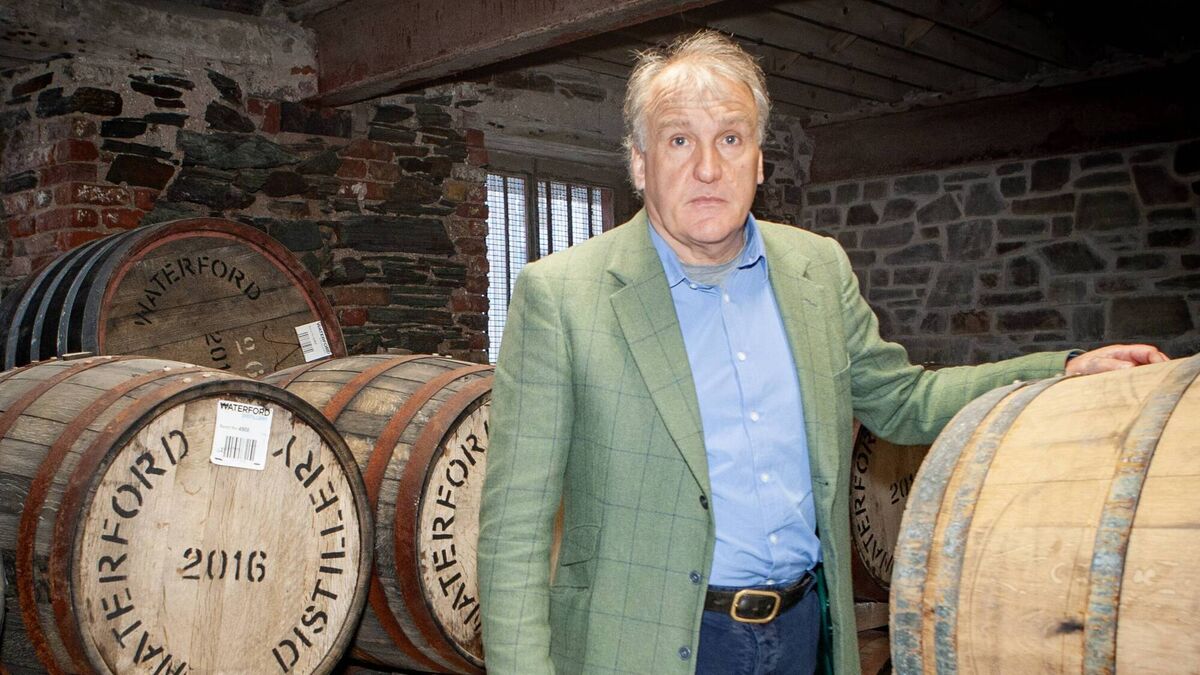
Mark Reynier bought the former Diageo brewery on Waterford's Ashton Quay in 2014, converting the facility into a premium whiskey distillery. Photo: Joe Evans
Former Waterford Whisky owner Mark Reynier is making a bid to buy back €12 million worth of bulk stock from the company’s receivers, the understands.
Founded in 2014 by Mr Reynier, Waterford Whisky entered receivership in November 2024 after a sustained period of financial hardship and a failure to raise fresh equity.
The company now lies in the hands of Interpath Advisory’s Mark Degnan and Daryll McKenna. The intellectual property and distillery owned by Waterford Whisky are to be offloaded separately from its stock.
According to the latest filings from Waterford Whisky in 2022, the stock was valued at €40 million.
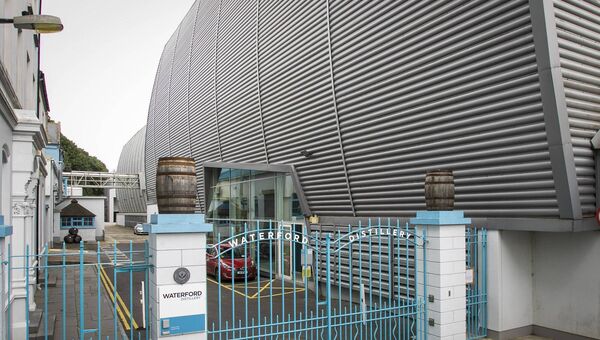
That figure accounts for the cost of production of whiskey, but the retail value of the whiskey is understood to be in excess of €100 million.
The stock now sits in Stafford Bonded's warehouse in Tramore.
Tennessee Distilling Group, an American whiskey contract producer, have been in exclusive negotiations to take over the distillery and Waterford Whisky’s IP for €6 million.
Waterford Whisky was founded in 2014, with Mr Reynier taking control of the former Diageo brewery on Grattan Quay for a price of €7.2 million.
Mr Reynier sought to create a premium whiskey product based on ‘terroir’ - the idea that the natural environment shapes the flavour profile of given products.
The brand emphasised a unique level of traceability. Each bottle of whiskey had a QR code that, when scanned, would show consumers the exact farmer who grew the whiskey’s barley, the soil type it was planted into, and the relevant fertiliser used.
The brand sold its whiskey at a high market value - a 700ml bottle of Ballybannon Single Malt Whiskey retails at €89.95 on CarryOut.ie.
Waterford Whisky went to market in March 2020. Just days after its launch, former Taoiseach Leo Varadkar addressed the nation, ushering in Covid restrictions that would eventually span almost two years.
Waterford Whisky created a significant surplus of stock, partly to sustain the brand as it scaled and partly to ensure the company had tranches of stock to sell quickly if it encountered choppy waters.
Unbeknownst to Mr Reynier was that most industry heavyweights were using the same playbook, with titans like Jameson flooding the pandemic-era market.
Waterford Whisky was unable to shift stock quickly, and rising rates of interest meant that Waterford Whisky couldn’t claw back revenue quickly enough without a dedicated consumer base.
The Bank of England’s rates rose from 0.25 at the end of 2021 to 5.25 in September 2023.
A downturn across the entire drinks industry has also been well-publicised.
Guinness owner Diageo's stock has plummeted post-pandemic, shedding almost 44% of its share value over the past two years. Pernod Ricard, the owner of Jameson Whiskey, has shed 50% of its value in the same period.
Issues with Waterford Whisky's American import partner only helped to contribute to the company’s fiscal woes.
When Waterford Whisky did fall into receivership, the company reportedly owed almost €70 million to their main lender, HSBC.
Mr Reynier spoke to the in December 2024.
“Costs were bleeding us dry, and we had an inability to develop our sales because of the market situation globally,” he said.
Mr Reynier also owns Renegade Rum, a premium rum produced in Grenada.
Mr Reynier began as a French wine distributor in the 1980s. He made his grand entrance to the drinks industry when he bought an abandoned distillery in Islay, Scotland, for £6 million from Jim Beam in 2000.
He then revived the Bruichladdich distillery, eventually flipping the asset to French spirits group Remy Cointreau for £58 million in 2012.
Mr Reynier made it clear during interviews in 2024 that he still holds vast affection for the company, and harbours ambitions to gain back at least partial control.