Council proposals to make Travellers apply for horse licences could lead to discrimination
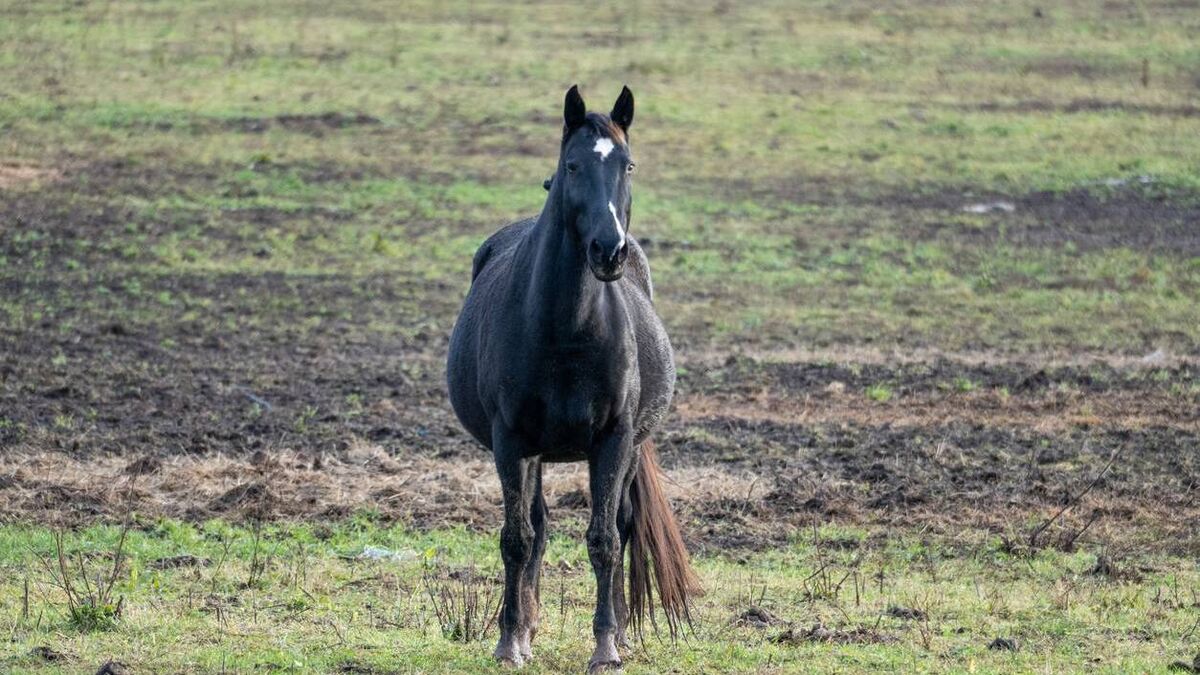
Horses are an important part of Traveller culture, says Ms Connors Alderidge. Photo: iStock
Waterford City and County Council have published a proposal to change the horse by-laws in Waterford.
The issue of horse welfare, and particularly sulky racing, has been raised on numerous occasions. However, Mayor of Waterford Cllr Seamus Ryan emphatically stated at the meeting that legislation around sulky racing is a national issue and could not be covered by local government by-laws.
One of the main changes to the current laws is that the control area is now going to be the entire area owned by the council.
Director of Services, Gabriel Hynes, said the council would “welcome submissions” from the public.
Councillor Joe Kelly said that he intended to bring a motion to the council in the coming months to call on the government to change the legislation around sulky racing.
Councillor Eamonn Quinlan asked: “Looking at this law and its implementation, my question is around Travellers and halting sites. The physical land they’re on and the buildings are owned by the council. The definition of a public area is quite broad."
He continued: “Are we about to make every horse in a halting site suddenly seizable due to the wording of this bylaw?”
Councillor Pat Fitzgerald asked who would be responsible for enforcing this bylaw.
Mr Hynes responded that the sulky racing is under the jurisdiction of the gardaí under the Road Traffic Act.
He added, “It is my understanding that the legislation is going to be reviewed nationally.”
Meanwhile, the enforcement of the by-laws falls under the environment section of the council.
He continued: “In relation to the control area, the important thing here is that these by-laws deal with loose horses or stray horses that are not under effective control. If they’re anywhere on public lands or public roads and they’re not under effective control, we have the power to seize those horses."
He explained: “In relation to public lands we own that the horses are on, the owners, the people who have those horses, can apply to the local authority for a licence for those horses. We’ll consider that licence and that licence will be granted under the condition that the horses are looked after.”
Mary Connors Alderidge, CEO of Mincéirí Port Láirge and a member of the Traveller community in Waterford, spoke to the Waterford News & Star about the proposed by-laws. She said, “From our point of view, it's important to acknowledge that these by-laws are being created by people who are not members of the Travelling community. The concern is that Travellers are not being engaged in the consultation process in developing these things and the councils are not reaching out to the groups."
She explained: “Travellers and horses are historically linked and it's part of the Travelling culture and for many men in particular, their connection is as much about holding on to their culture and identity but also mental health."
She said her organisation would be “absolutely open” to engaging with the council on these bylaws.
She believes if the by-laws were put in place, they would "disproportionately affect” Travellers.
She concluded: “It has been reported in the past that such by-laws and policies have actually been used to control Travellers and their access to horses.”
At the meeting, the council explained that a public consultation process will take place before these by-laws are passed.