ABP to gut 230 jobs in Waterford plant
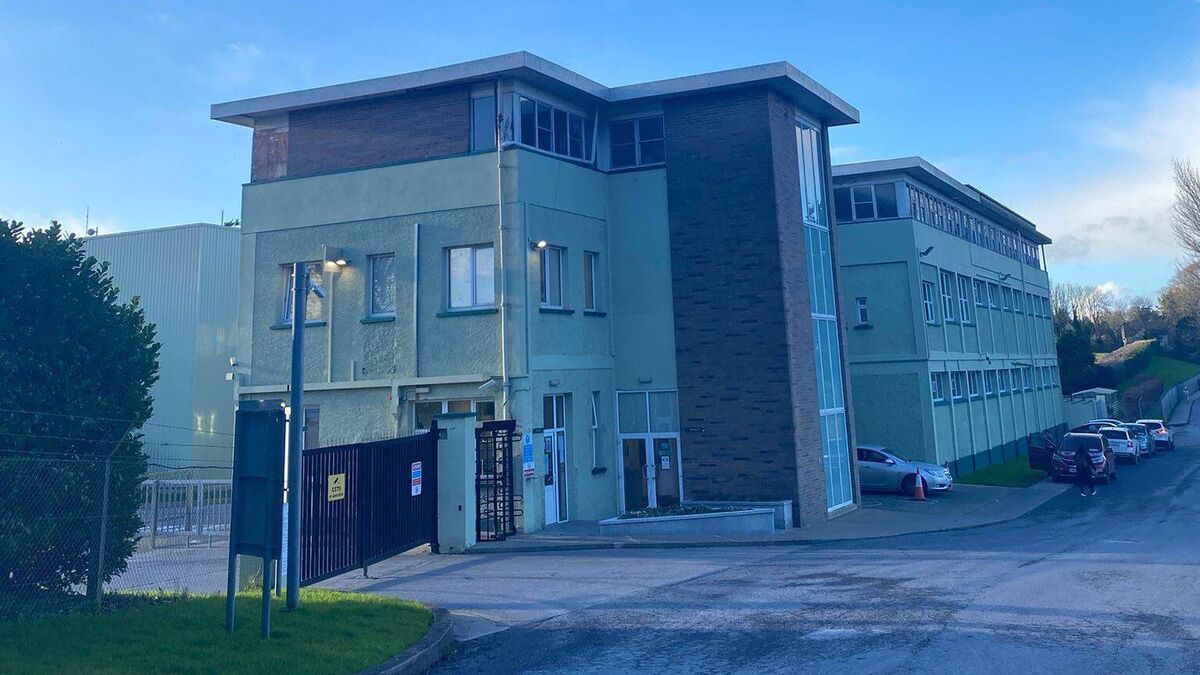
The ABP factory in Ferrybank where up to 230 are expected to be cut in the coming month. Photo: Libby Marchant
Approximately 230 employees at the ABP food processors in Waterford are at risk of being made redundant, as the international food group mulls over the future of its Ferrybank processing site.
On Thursday, February 12, the food giant confirmed that negotiations had begun with employees over 'potential redundancies' relating to their cutting and deboning operations.
ABP said the site’s abattoir will not be affected, and the site will continue to receive cattle.
The Waterford News & Star went to the ABP plant on Monday afternoon at the end of the employees' shifts where some workers talked about their concerns with the recent update.
Adamchuk Dmytro, a 22-year-old from Ukraine started working at ABP last summer.
When he began working at the cutting and deboning section of the meat processing plant, he hoped to work 40 hours and five days per week. However, by September, he was working six-hour shifts just three days per week.
"I come from Ukraine, I need money for rent, for food. €300, even €250, per week is not enough," he said.
Mr Dmytro said that he was told that the problems for ABP began last winter, before he started working there.
“The managers said it would just be one month - September, October, November: three months, same situation.”
Mr Dmytro told the News & Star that new employees are already starting to look for new jobs, with some of them already leaving but older employees, he said, are holding out to see what happens.
According to Mr Dmytro, the company was in a similar situation two or three years ago.
“This factory gave small price for meat and farmers stopped selling to them,” he said.
He believes that the same thing is happening now.
Mr Dmytro considers himself lucky because he gets paid "per piece" rather than per hour, meaning he can earn the same amount of money in three days as his colleagues do in five. He typically processes 1,800 pieces of meat every three days.
Speaking on the situation on Friday, February 13, Tánaiste and Minister for Finance Simon Harris said Government, “will be doing everything we can” to assist the affected workers.
“I’ve become aware of [the consultations] this morning. I want to do everything we possibly can to minimise the risk of those job losses," he said. "I appreciate the company has now said they’re going to engage in a consultation with the workers.
“I’m also conscious, though, that it’s a very stressful and worrying time for their families. From a Government point of view, we’ll be doing everything we can to assist and should anyone be impacted by redundancies to also assist them.
“I’ll be talking to my colleague Minister (Peter) Burke, and I know the Department of Enterprise, Tourism and Employment stands ready to help as does the Department of Social Protection.
“I think there’s a window now in terms of consultation and engagement that the company wants to undertake but I’m very aware it’s a stressful time for the workers, and we’ll continue to do all we can to assist them.”
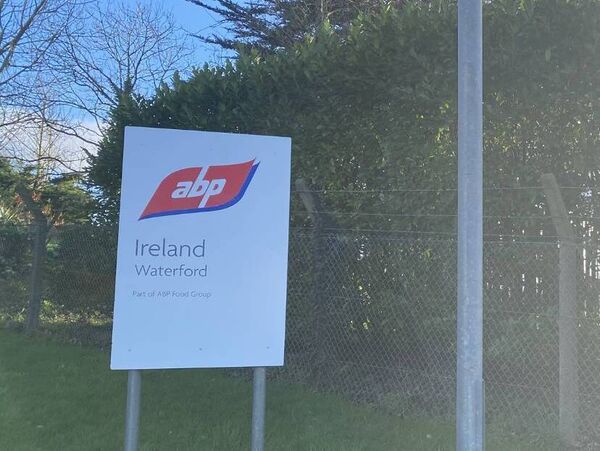
ABP have undertaken wider cost-cutting exercises and operational restructuring.
In January, the food processors closed a packing facility in Linden, Co. Tyrone, at the cost of 338 jobs. Workers in Waterford fear they’ll suffer the same fate.
Ibrahim Amelia is 23 years years old and from Ukraine.
“I came one month ago; I was told I would have three days per week. I didn’t have any other opportunities, so I accepted."
He is frustrated that he was only given one month to find a new job.
“It’s very strange that they would only give us 30 days.
“I was trying to find a job for two months last year. I was very happy to get a job, I thought ‘finally!’ and now this.”
Mr Amelia feels confident that he will be able to find another job but worries about his co-workers.
“For some people, this is their first and last job in Ireland. If they don’t know English, where else can they go?”
Mr Amelia told the Waterford News & Star about how some people were offered jobs at ABP whilst in Brazil. They came to Ireland specifically for this job and without it, they will lose their work visa.
Mr Amelia has heard that some people are talking to lawyers about the situation but doubts they will get anywhere.
“They signed a contract saying they would get nothing," he said.
Gustavo Fernandez is 29 and from Brazil. He has worked at ABP for one year. Before that, he worked in a different meatpacking factory.
He told the Waterford News & Star: “This situation is very bad for everybody.
"They told us only 30 days before we have to finish, every time we ask about it, they say, ‘I don’t know, I don’t know, I don’t know.’"
A supervisor who asked to be anonymous said: “There hasn’t been too much of a mention of the word redundancy because they have to go through the legal process.”
When asked if he thought the redundancies were going to happen, he said, “almost certainly".
He went on to comment: “A lot of people will be offered jobs in different sites; they’re trying to absorb as much as possible.”
According to ABP, increasing costs and dwindling livestock supply are the main factors behind the consultations.
The food group plans to use other facilities to maintain "efficacy and competitiveness".
A spokesperson said: "We understand the impact this announcement may have on our colleagues and their families. We are committed to engaging constructively with our employees during this period of consultation.
"ABP remains wholly committed to the farming community, ensuring strong partnerships that sustain the quality of Irish beef.
“We are equally dedicated to supporting our employees and to maintaining the highest standards of service for our customers in Ireland and across international markets.
“These values continue to guide our business as we navigate current challenges and plan for a sustainable future."
The firm has declined to make further comments over the course of the consultation process.
Kevin Cahill, who is now the CEO of ABP UK, had previously warned that a dwindling national cattle herd could have ramifications for the business. The national cattle herd fell by 276,000 (3.8%) in 2025.