Green Fingers: A fruitful experience
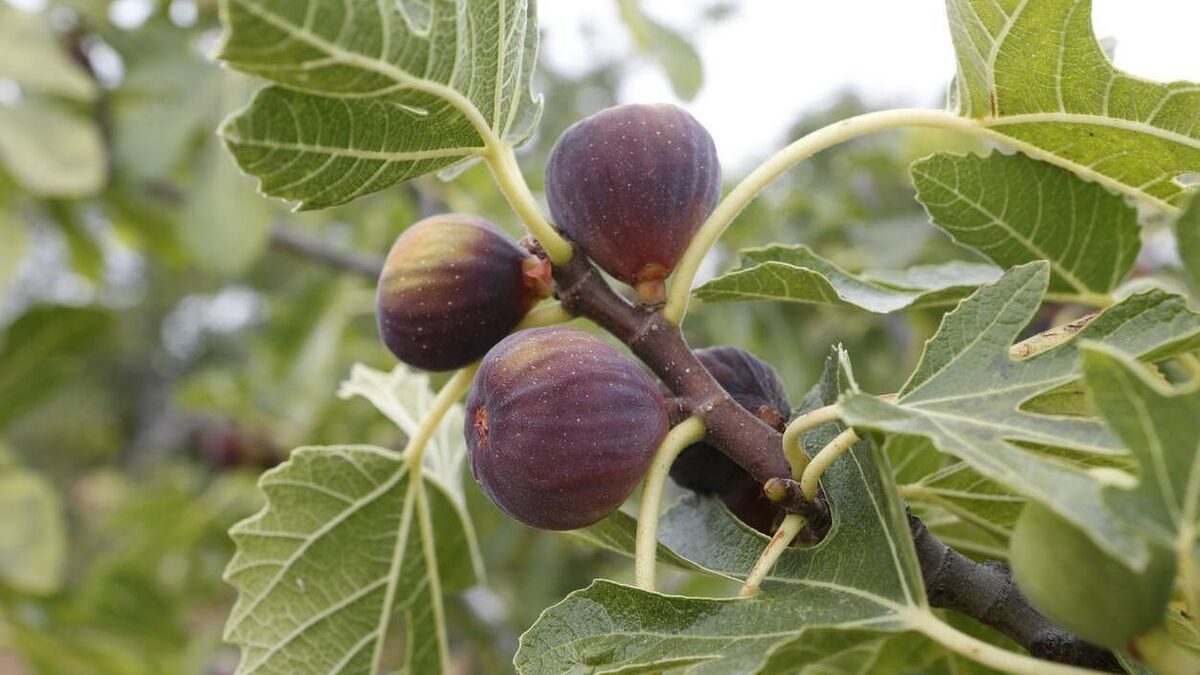
The fruiting fig is regarded as a minor or obscure plant to grow but is very enjoyable.
While my gardening activities go into a sort of hibernation during these duller winter months, I do like and need to get out in the fresh air so when there is any reasonable weather, I am outside, sometimes with anyone else who wishes to tag along and just potter around for a while.
Even if there is no plan on what to do, very soon something will catch the eye and off we go on a tangent. The reward can be summed up with the satisfaction of getting something done and the energising effect of even a short time in the fresh air. Time is precious and also limited to when anyone can get outside so when some fine weather occurs, just abandon ship and head out even for a few minutes.
Walking around the garden I have noticed the increased numbers of birds. This is because there were additional breeding clutches during the year and as a result the berries are fast disappearing. We are also planning to plant some more fruit, which we can share with the birds and other animals once we have harvested what we want. Our bird feeders are sometimes like a busy airport with constant landing and takeoff from the food we have provided.
There are probably more fruiting types available for the space you have and, therefore, choices have to be made. You can cherry pick those that you like best but some have downsides to them. It would be good to do some research before you make a final choice. For instance, cherries come high on the list but they need to be grown in a fruit cage or be protected by netting because the birds will be up before you and will help themselves to the fruit, leaving you with nothing at all.
I suppose blueberries have shot into the top five for popularity. As they need the same protection as cherries they can be grown together in the same structure because blueberries stay compact enough, while cherries like to grow at a higher tier. Both cherries and blueberries are self fertile so a single plant of each will work but if there is room for an additional plant or two, the crops are better.
Some people “Don’t Give a Fig” about what fruiting plants to grow in their garden as they just like the idea of having some in the garden as ornamental plants and, if they produce fruit to eat or for the birds, then that is fine. The fruiting fig would now be regarded as a minor or obscure plant to grow but it is an unusual fruit, quite unlike the ‘fig rolls’ or dried figs in shops, and I think they are very enjoyable. They need their roots restricted in order to produce any decent crops and this means growing in a large container or building a below-ground box with concrete blocks. You would need to try a fresh fig before acquiring a plant to grow.
There has been a huge upsurge in buying Perlite and Vermiculite and, this is no doubt due to strong publicity about how it will help improve the soil but I think it is quite daft, expensive, not necessary and leaves the ground looking like contaminated earth so far better to stick to more natural products like composts, farm yard manures, bark, grit and sharp silver sand.
If you have any queries or comments you are welcome to share them with me on 051-384273 or orchardstowngardencentre@hotmail.com and if of general interest I will share them in a future article.